The Price of Silence: How Women Can Inherit Trauma They Didn’t Create
Silence is often celebrated in African families as a symbol of dignity, restraint, and respectability. But silence also has a darker side. It is in silence that abuse festers, secrets calcify, and wounds are passed from one generation to the next. What remains unsaid between mothers and daughters does not disappear; it lingers in the body, the home, and the psyche, shaping lives in many ways.
Women often find themselves at the heart of this inheritance; many times, they carry the burdens of trauma they did not create, repeating patterns they did not choose, and suffering in ways that trace back to stories no one dared to tell. This is the price of silence: an inheritance of pain masked as resilience, endurance mistaken for strength.
Generational Trauma in African Families
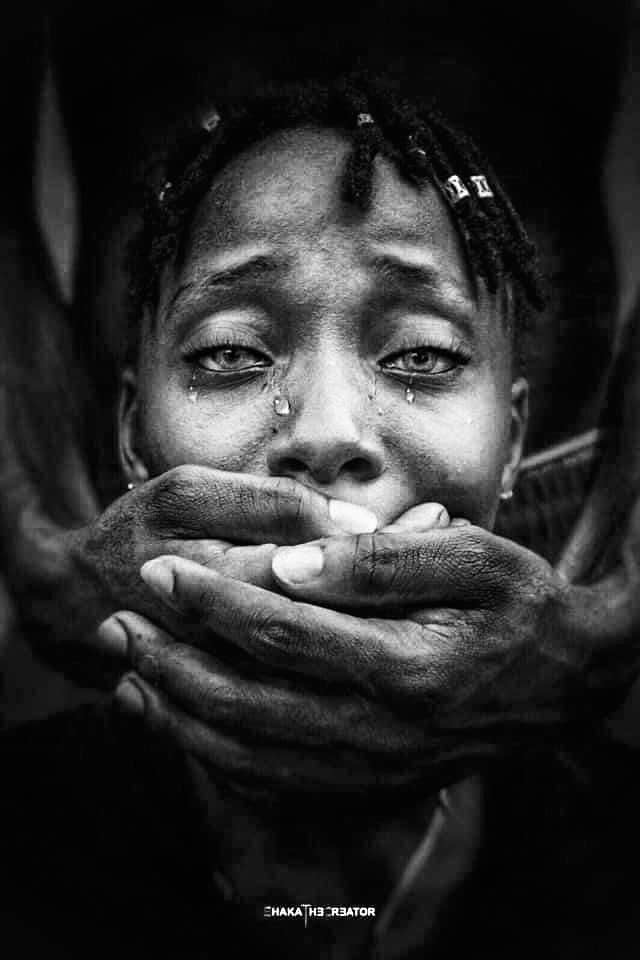
Generational trauma, sometimes called transgenerational or intergenerational trauma, refers to the way traumatic experiences ripple across time. A mother’s unresolved pain becomes a daughter’s silent struggle; a grandmother’s buried grief becomes a granddaughter’s anxiety or mistrust. Even when events are not spoken aloud, they show through behaviors, traditions, and family dynamics.
In many African cultures, silence serves as a protective shield. Families avoid speaking about abuse, mental illness, or betrayal because they fear shame, gossip, or spiritual consequences. A common saying across cultures is some variation of: “What happens in this house stays in this house.” This code of silence is meant to protect the family’s reputation, but it leaves individuals unprotected.
Trauma that remains hidden does not dissolve. Instead, it takes on new forms: harsh discipline, emotional withdrawal, unspoken hostility, or cycles of abuse. Children may not know the details of what happened to their mothers or grandmothers, but they inherit the effects in the way love is given or withheld.
The Weight Women Carry
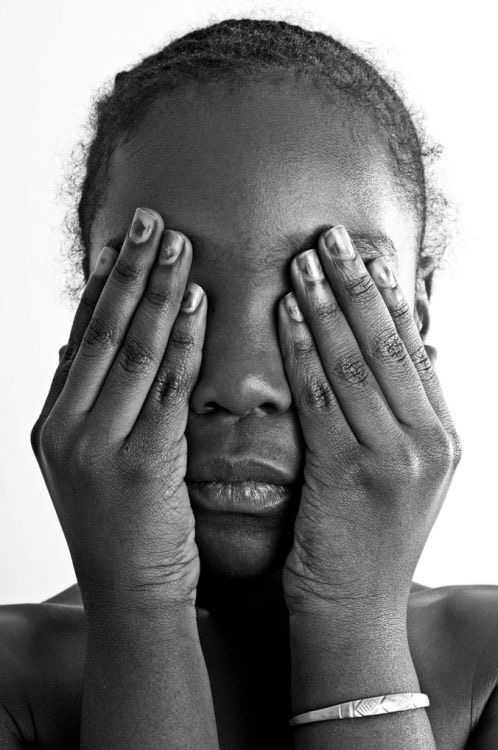
For African women, silence becomes a form of socialization. From girlhood, they are taught to “respect elders,” to “endure for the sake of peace,” and to “protect the family name.” These lessons often mean swallowing pain and burying truths that demand to be spoken.
This inheritance shows up in several ways:
- Unacknowledged abuse: Many women have lived through or witnessed abuse that was never named as such. This lack of recognition makes it harder to set boundaries later in life.
- Distorted models of love: Daughters who see their mothers endure mistreatment without protest may come to believe that love and suffering are inseparable.
- Anxiety and hypervigilance: Even without knowing the details of family secrets, children sense when something is “off.” They grow up internalizing fear, mistrust, or guilt that isn’t theirs.
- Silencing the self: Perhaps the most painful inheritance is the inability to speak one’s truth. Many women feel shame when they try to break the silence, fearing rejection and judgment or accusations of disloyalty.
The silence becomes not just a family practice but a deeply ingrained identity. Women learn to hold their tongues even when their hearts are breaking.
Silence as Survival and as a Trap
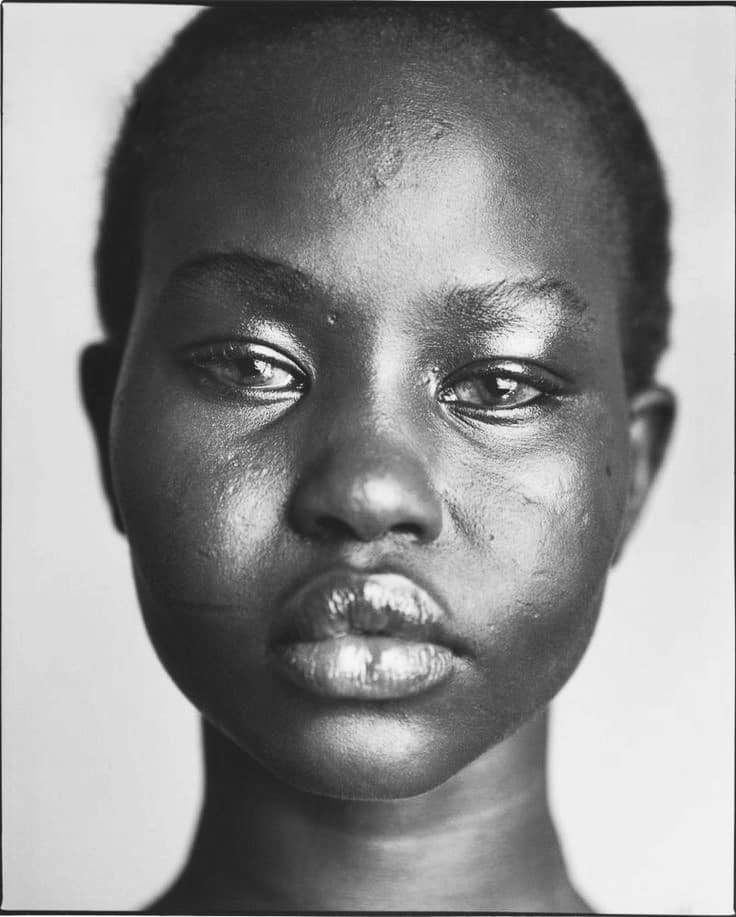
It is important to understand why silence became the norm. For previous generations, silence was a strategy of survival. Under the weight of colonialism, apartheid, military regimes, and systemic poverty, speaking out often carried severe consequences. To name abuse, to question authority, or to expose family secrets could mean social exile, physical punishment, or even death. Women, in particular, bore the heaviest risks. With limited legal protections and virtually no access to justice, they often found that silence was the only shield they had. Keeping quiet meant avoiding shame, preserving family honor, and in many cases, simply staying alive.
But what once protected can also imprison. Silence that was once a tool of survival becomes a cage that prevents healing. When women are discouraged from speaking, accountability is lost. Harmful behaviors continue unchecked, moving quietly from one generation to the next. The unspoken becomes normalized, and daughters inherit not just the trauma but the silence itself. Over time, what began as a necessary strategy hardens into a cultural expectation: “strong women” endure, “good wives” keep secrets, “respectable families” do not air their pain.
Yet this endurance comes at a steep cost. Silence does not dissolve pain; it internalizes it. Women learn to carry burdens that were never theirs to bear: the shame of a father’s violence, the weight of a husband’s betrayal, the grief of a mother’s suffering. These unspoken stories manifest in the body as illness, in the mind as anxiety and depression, and in relationships as mistrust or emotional distance. What began as survival becomes a cycle of repression, one that costs women their voices, their health, and often their ability to fully love or be loved.
Breaking the Silence
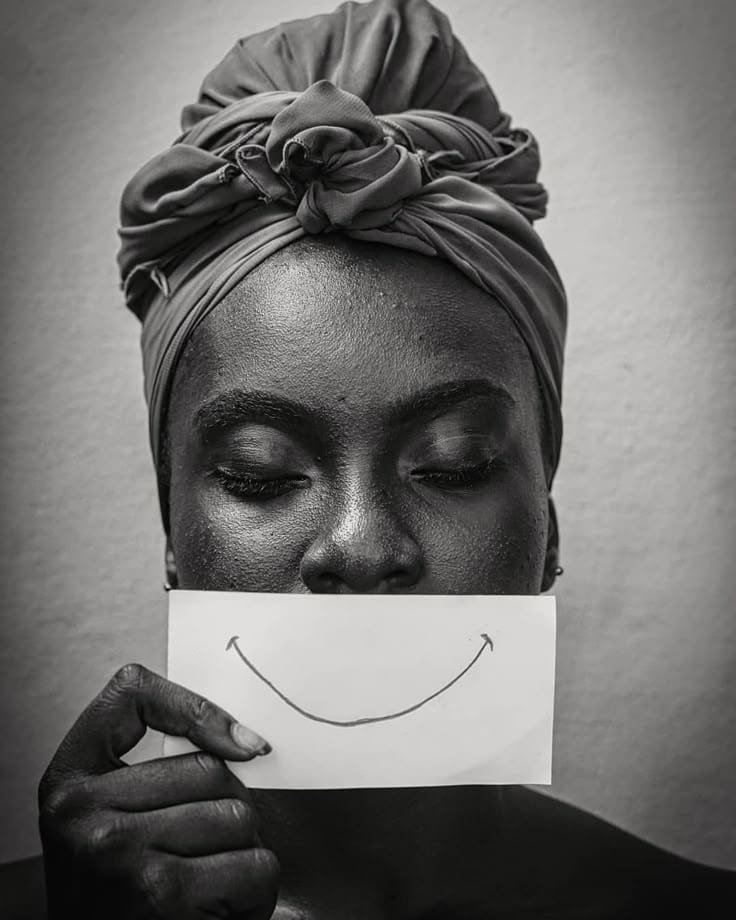
The good news is that cycles can be broken. Silence is heavy, but it is not eternal. More African women today are choosing to confront what was hidden, to heal what was inherited, and to speak truths that generations before them could not.
Therapy, once seen as foreign or taboo, is slowly gaining acceptance across African societies and diaspora communities. For women, it can be a radical act: to sit with a professional, to name the unspeakable, and to untangle where their pain ends and their ancestors’ pain begins. Therapy helps women understand that what they carry is not weakness, but survival, and that survival does not have to mean silence.
Across African traditions, storytelling has always been a form of preservation and healing. Today, many women are reclaiming that tradition through memoirs, podcasts, poetry, community circles, and intergenerational conversations. Telling one’s story, or even listening to another’s, disrupts the isolation that silence creates. It validates pain, restores dignity, and allows hidden truths to breathe.

Breaking Cycles in Parenting
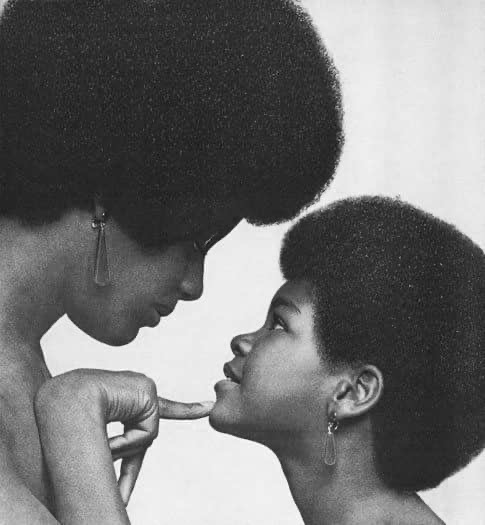
One of the most powerful ways women heal is by raising their children differently. Motherhood often becomes the place where cycles are either repeated or reimagined. Women who carry the weight of generational trauma frequently recognize, sometimes painfully, how silence shaped their own childhoods. They remember being told not to cry, not to ask questions, not to bring shame on the family. And in that remembering, they find the determination to create a new path.
Instead of repeating the “don’t ask, don’t tell” dynamic, women need to learn to accept openness in their homes. They encourage their children to name their feelings, anger, sadness, joy, confusion, and to understand that emotions are not weaknesses but signals of what the soul needs. Questions are welcomed rather than silenced, and curiosity is nurtured instead of punished. Conversations that were once taboo about mental health, about boundaries, about love and respect, are brought to the dinner table.
This shift, though it may seem small, is revolutionary. It teaches children that secrets are not safety nets and that truth-telling, even when uncomfortable, is an act of love. In households where honesty is valued over appearances, resilience takes root. Children learn that their worth is not tied to silence or endurance, but to their humanity.
Over time, these intentional choices reshape entire family lineages. A daughter who grows up in a home where her voice matters does not have to unlearn silence as an adult. A son raised to see his mother speak her truth grows into a man who respects the voices of women. These subtle but important shifts create ripples that extend far beyond one household, planting seeds of resilience that grow into healthier futures for entire communities.
Honoring the Past Without Carrying Its Pain
Healing generational trauma does not mean rejecting one’s family or erasing the past. It is not an act of rebellion, nor is it a denial of the sacrifices that came before. Instead, it is an act of courage, the willingness to face what has been hidden and to name it for what it is. Healing means looking at the wounds that have shaped us and saying with clarity: “This happened, but it will not define me.”
African families are undeniably rich in resilience, love, and tradition. They carry legacies of music, language, faith, and survival that have sustained people through centuries of hardship. These legacies are worthy of honor and celebration. Yet, alongside the beauty, there are also burdens, the silences, the unspoken traumas, the normalized patterns of endurance that often come at too high a cost. True resilience should not mean burying pain or pretending it never existed. True resilience is the ability to face pain, to heal it, and to transform it into wisdom.
When women choose to break the silence, they are not betraying their families. In fact, they are offering their families the greatest gift, the possibility of freedom. By speaking what was once unspeakable, they dismantle the chains of shame and secrecy that have weighed entire lineages down. They create space for more honest love, for deeper connection, and for a future where children grow up unburdened by ghosts they cannot name.
This act of healing is both personal and communal. It is personal because it allows women to reclaim their voices, their bodies, and their right to joy. But it is also communal because every story spoken out loud becomes a torch, lighting the way for others to do the same. Every woman who chooses to face the past with honesty ensures that the generations after her inherit not silence, but strength, not repression, but resilience.
Choosing Voice Over Silence
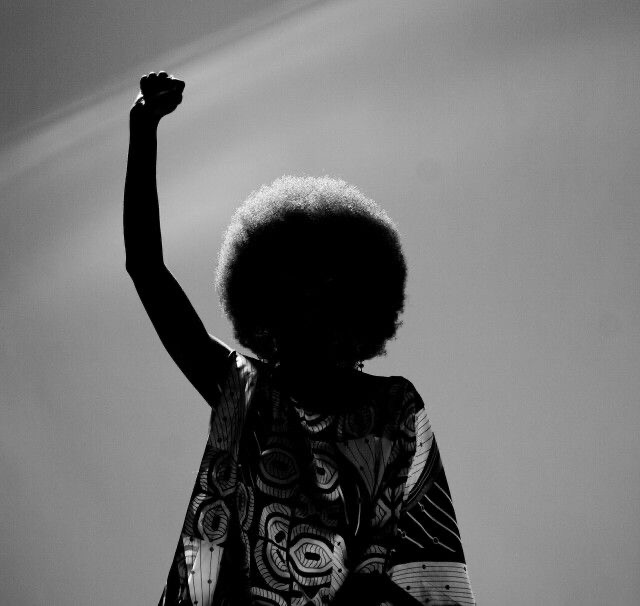
The price of silence has been too high for too long. It has cost women their voices, their safety, their joy, and in many cases, their very sense of self. Silence has demanded that they endure what should never have been endured, that they carry what was never theirs to carry, that they mistake survival for living. But every woman who dares to speak her truth, who walks into therapy despite the stigma, who writes her story or whispers it to a trusted friend, is choosing a different inheritance.
So, my dear sister, let this be your reminder: your trauma does not define you. It is not the measure of your worth, nor the essence of your being. What happened to you is part of your story, but it is not your true identity. Your true identity is so much greater; it is love, it is peace, it is strength, it is joy, it is resilience, and it is wholeness. You are the embodiment of everything good that survived despite silence. You are proof that healing is possible, and that beauty can rise even from buried pain.
Remember that you are loved. Remember that you are not alone. Remember who you are, and in remembering, reclaim the power to speak, to heal, and to pass on an inheritance of freedom.