The Freedom of Bare Skin: Why Makeup Should Be a Choice, Not a Mask
For centuries, as women have gazed into mirrors, the reflection looking back has sparked endless debates, fierce judgments, and complex political discussions. Our faces have served as canvases, illustrating both personal expression and societal imperatives. Makeup, with its vibrant shimmer and rich pigments, has journeyed through time as a form of art, a sacred ritual, a symbol of power, and sometimes, a clever disguise. Yet, somewhere amid the transformation from earthy ochre and deep kohl to modern concealers and sculpting contours, a vital essence was lost: the freedom to choose.
In our present-day world, we navigate a landscape where makeup is both revered and obligatory, creating a paradox where a bare face might be interpreted as an act of negligence, while extravagant looks can be swiftly dismissed as mere vanity. This is the profound tragedy we face, for makeup was never intended to be a cage. It was meant to be an exploration, a playful celebration of creativity and individuality.
The Ancient Power of Paint
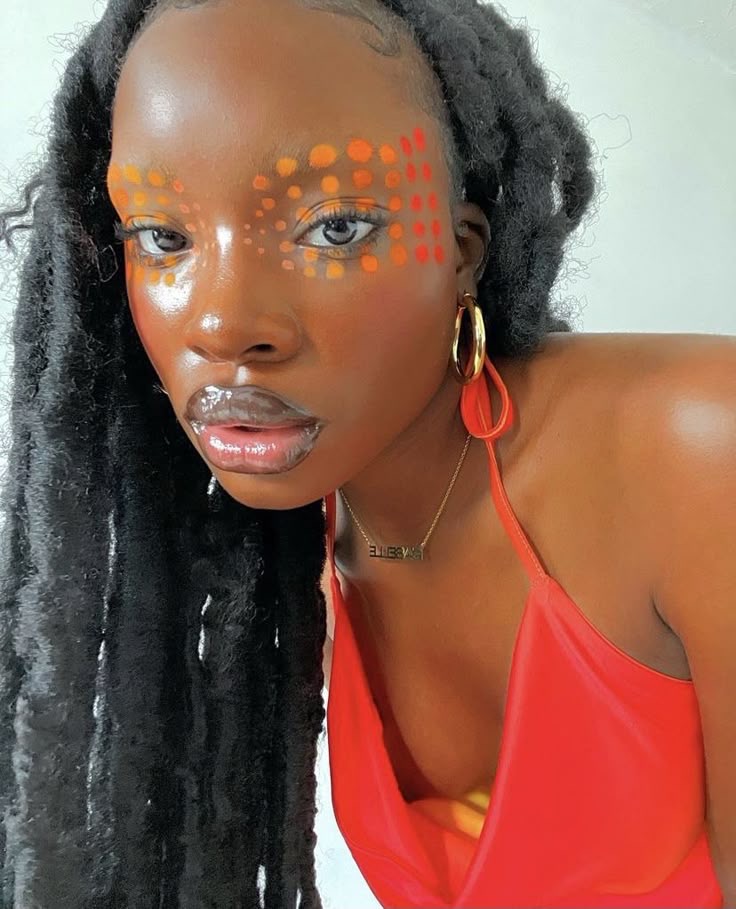
Long before the days of sleek beauty counters and trendy Sephora hauls, African women transformed their faces into living canvases of art. The Himba women of Namibia, with their striking presence, skillfully rub deep red ochre mixed with rich butterfat onto their skin. This act is not merely a pursuit of beauty; it serves as a shield against the unforgiving rays of the desert sun. In the vibrant culture of the Yoruba people, brides were adorned with intricate, elaborate patterns that told stories of heritage and celebration, each design a symbol of love and community. Meanwhile, in Ethiopia, kohl was carefully painted around the eyes, a stark black contrast meant to ward off malevolent spirits, merging beauty with spirituality.
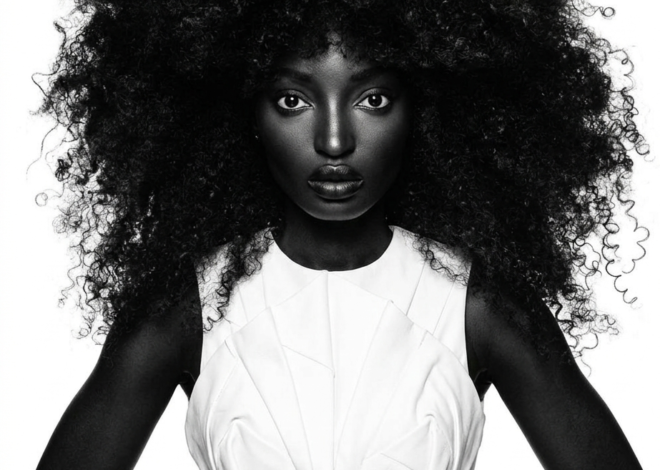
Makeup was never just about concealment; it was a powerful expression of identity, a form of protection, a sacred ritual, and a unique art form. It was a bold statement of existence, women proclaiming, “Here I am. See me. Respect me.” This is the profound essence of makeup: a cultural stamp and a personal declaration, rich with history and meaning. However, the disruptive forces of colonialism and the imposition of Eurocentric beauty standards warped this narrative. Suddenly, the natural beauty of dark skin was met with shame, the richness of textured hair was labeled as “unprofessional,” and the authenticity of a bare face was deemed “incomplete.” This distortion sought to erase a legacy woven with pride and artistry, on a canvas that is as diverse and magnificent as the women themselves.
When Makeup Turns Into a Mask
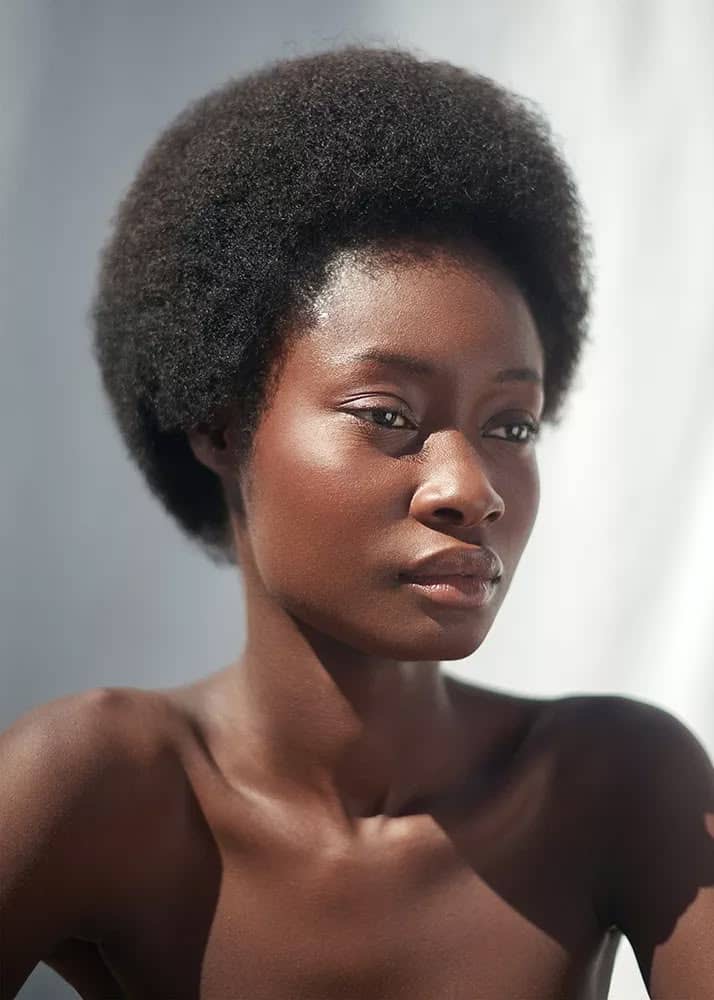
There’s a thin, fragile line between empowerment and oppression, and makeup often walks it. For many women, the art of applying makeup feels like a form of meditation, therapy, creativity, and joy. But for others, it becomes a mask they cannot step outside without.
Consider this: How frequently have you overheard comments such as, “You look tired without makeup”? Or encountered job postings that subtly imply expectations for women to appear “polished”, a term that all too often translates to meaning flawlessly made up? These observations are not trivial; they serve to reinforce the damaging notion that a woman’s natural appearance is insufficient, unappealing, or somehow less legitimate.
Psychologists refer to this pervasive phenomenon as appearance anxiety, and it’s a burden that is disproportionately shouldered by women. While men may contend with acne, wrinkles, or uneven skin without facing accusations of being “unprofessional,” women endure a relentless societal pressure to conceal these so-called imperfections. In this context, makeup transcends its traditional role as an art form; it morphs into armor, a protective mask worn to navigate a world that often deems a natural face as inadequate.
The Bare Skin Revolution
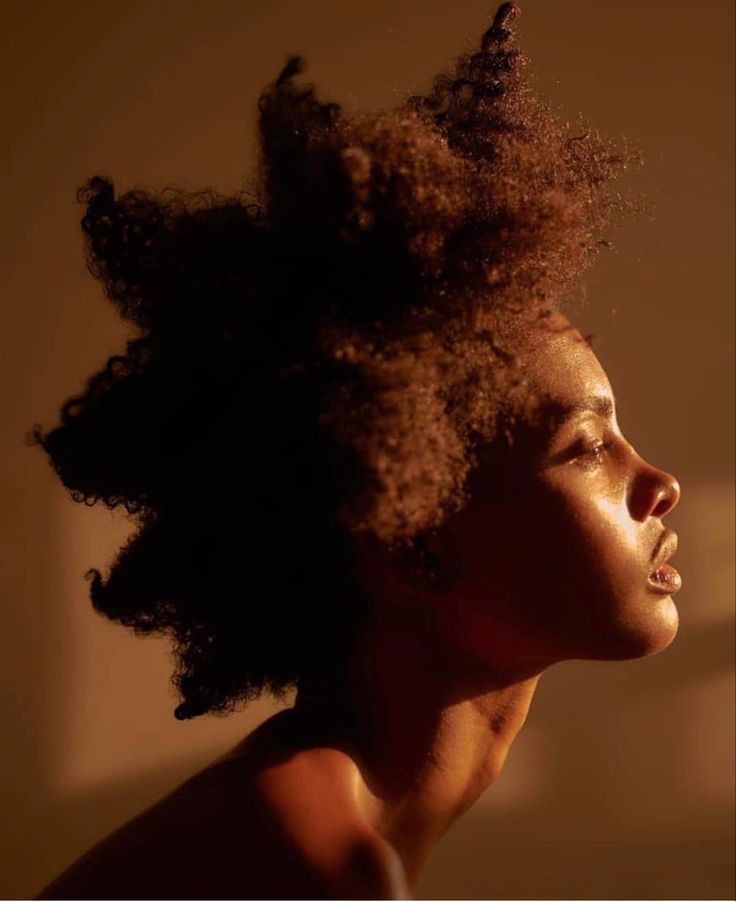
A significant shift is occurring in the beauty landscape. Over the past few years, we’ve witnessed what I like to call the “bare skin revolution.” Take Alicia Keys, for instance, Take Alicia Keys, for instance, she made headlines in 2016 when she decided to stop wearing makeup, a choice driven by a desire to break free from the pressure of the entertainment industry and the feeling of being “addicted” to makeup for confidence. She felt that makeup masked her true self and wanted to be authentic, launching a #NoMakeup campaign to inspire other women to feel comfortable in their natural skin. Social media platforms have become a breeding ground for movements such as “skin positivity,” where individuals share unfiltered images that lay bare the realities of acne, hyperpigmentation, and scars, showcasing the raw, unedited truth of their skin.
Younger generations, particularly Gen Z, are leading this charge, fiercely rejecting the notion of unattainable perfection often portrayed through filters and staged advertising. They are calling for authenticity and transparency, demanding that beauty standards reflect the diverse realities of everyday people.
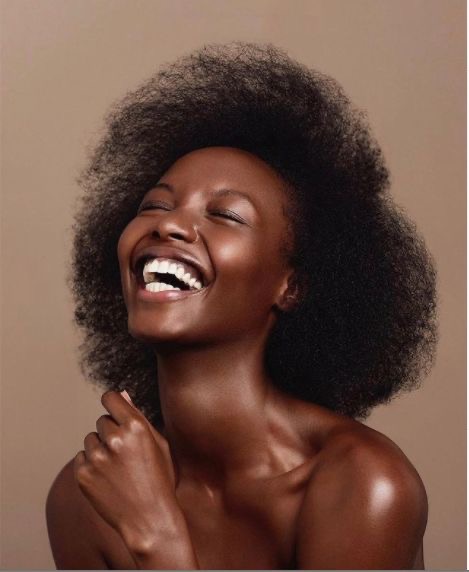
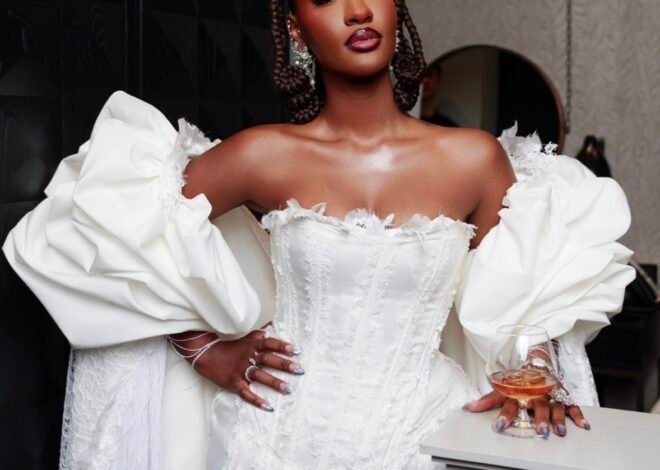
What’s crucial to understand is that this revolution isn’t about turning against makeup; rather, it champions the idea of choice. It celebrates the freedom to say, “Today I’ll embrace full glam because it empowers me and makes me feel fierce. Tomorrow, I’ll venture out with a fresh, bare face because my skin needs to breathe and thrive.” Both expressions are equally valid, incredibly beautiful, and deserving of respect.
What’s Really at Stake
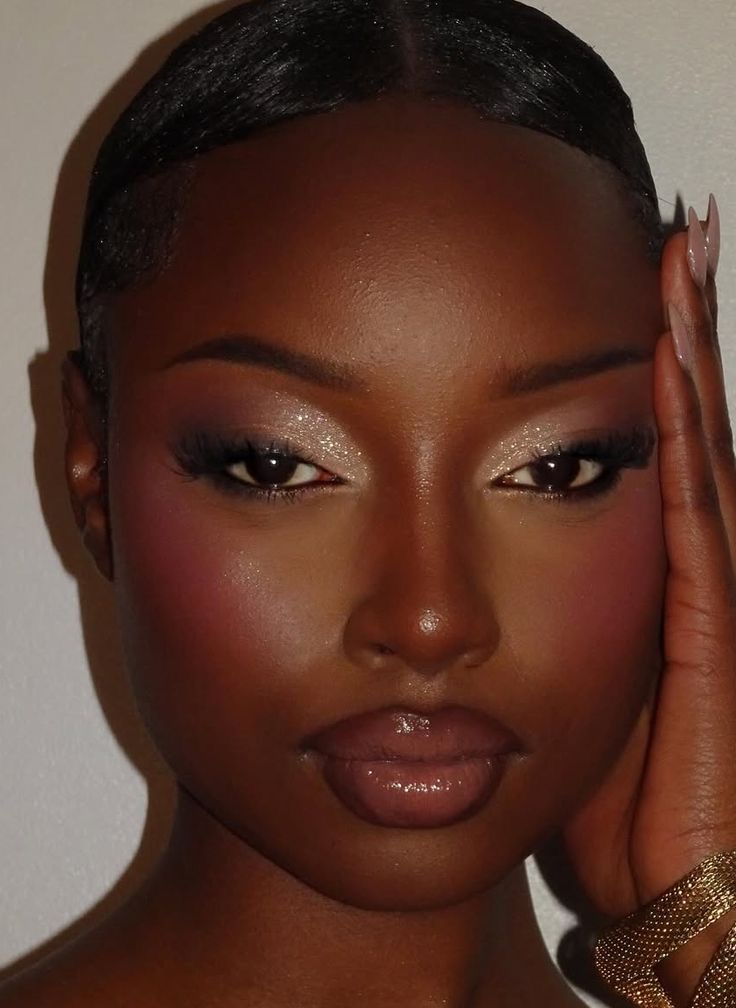
At the root of all this is a deeper question: Who gets to decide what beauty looks like?
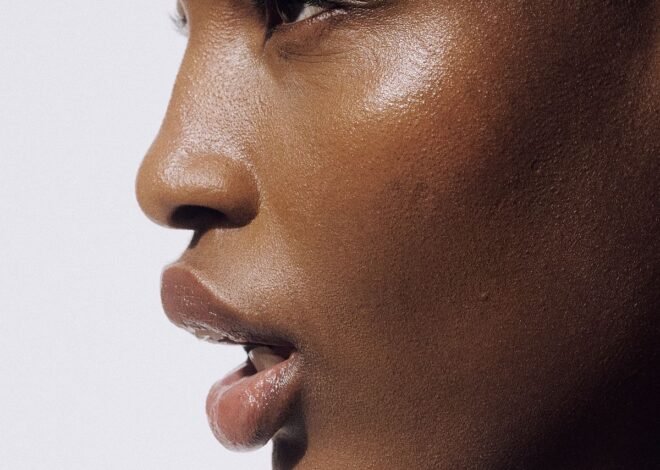
When society dictates that beauty is poreless, wrinkle-free, and smooth, women internalize that pressure. We end up spending thousands on products, hours in front of mirrors, and energy worrying about how we’re seen. But when women reclaim beauty on their own terms, something radical happens. Wrinkles become testimonies. Scars become survival. Skin becomes canvas. To love bare skin in a world that profits off insecurity is rebellion. It is saying: I am not your product. I am not your perfection. I am mine.
Reclaiming Makeup as Choice, Not Obligation
How can we bring the vibrant joy and artistic expression back to makeup, transforming it from a chore into a celebration?
- First, pause to reflect by asking yourself, “Why am I doing this?” Before you reach for that lipstick or foundation, take a moment: Are you applying it out of a deep love for yourself and your unique beauty, or is it driven by a fear of judgment from others?
- Next, embrace a spirit of play. Dive into the world of makeup as an art form by experimenting with bold, unexpected colors, sparkling glitter, or even choosing to go completely bare-faced. Reconnect with the joy of self-expression and let your creativity run wild.
- Detox your digital landscape. Curate your social media feed to include authentic, unedited images that showcase real and diverse faces. Embrace the beauty of imperfections, texture, fine lines, and natural pores, and normalize them as part of the human experience.
- Redefine what professionalism means in your environment. Challenge the workplaces and institutions that uphold unrealistic standards, insisting that women maintain an ostensibly “polished” appearance.
- Finally, celebrate those bare days. Allow your skin the freedom to breathe and rejuvenate, and take the time to learn to appreciate its raw and authentic beauty. Devote moments to loving yourself in your unfiltered state, and relish the confidence that comes from embracing your true self.
Choice is the Real Luxury
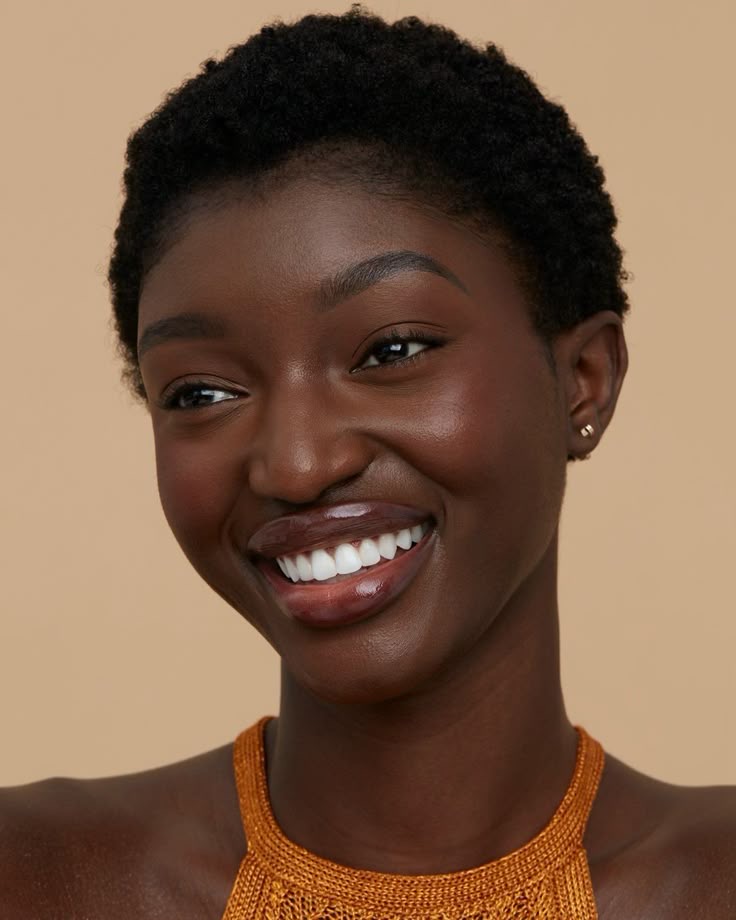
At the end of the day, true beauty embodies the essence of freedom. It’s the liberty to paint your lips a bold, fiery red, or to feel the warm sun gently caress your unadorned complexion. It’s the choice to sharply contour your cheekbones, or to let the delicate constellation of your freckles bask in their own unique radiance. The real luxury lies not in the products themselves, but in the empowering choices you make.
So, the next time you find yourself seated at your vanity, surrounded by shimmering palettes and brushes, or when you casually stroll by a mirror, hold this thought close: bare skin is not a sign of inadequacy. Makeup is not a necessity imposed upon you. And beauty, when embraced as a heartfelt choice rather than a societal obligation, represents the most profound and liberating expression of all.