Why African Makeup Trends Are About to Take Over the World
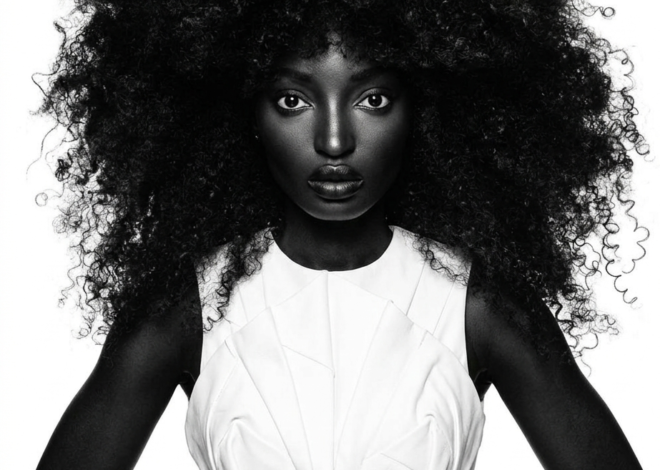
In recent years, African makeup trends, once considered “too bold” or “too unconventional” by the Western beauty industry, have not only gained international attention but have also redefined the global standards of beauty. A vibrant new aesthetic is sweeping across runways, red carpets, and social feeds, unapologetically rooted in African expression, culture, and power.

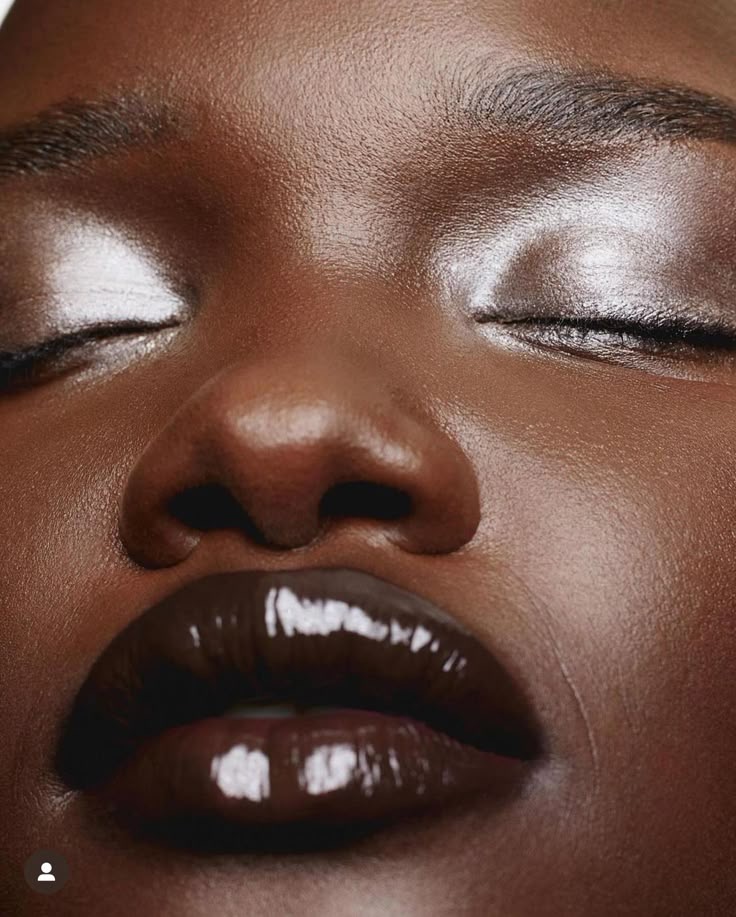
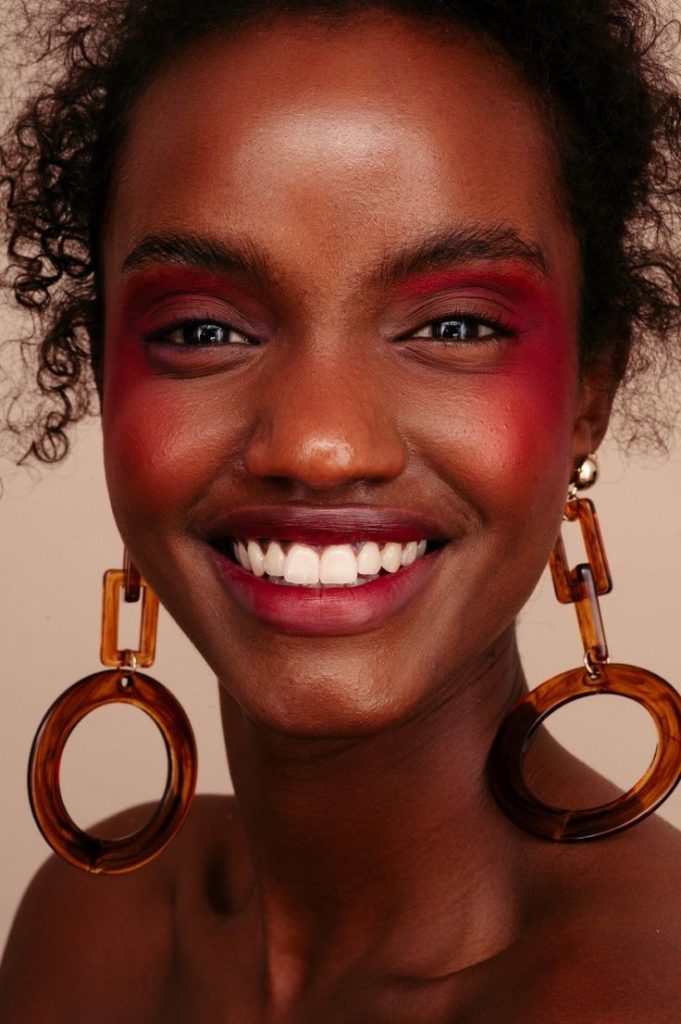
What was once dismissed as “too bright,” “too dramatic,” or “too much” is now being celebrated as cutting-edge. African makeup artistry has long been recognized for its vibrant colors, geometric brows, sharp contours, glossy finishes, and fearless color combinations. It is now the go-to reference for a new era of beauty.
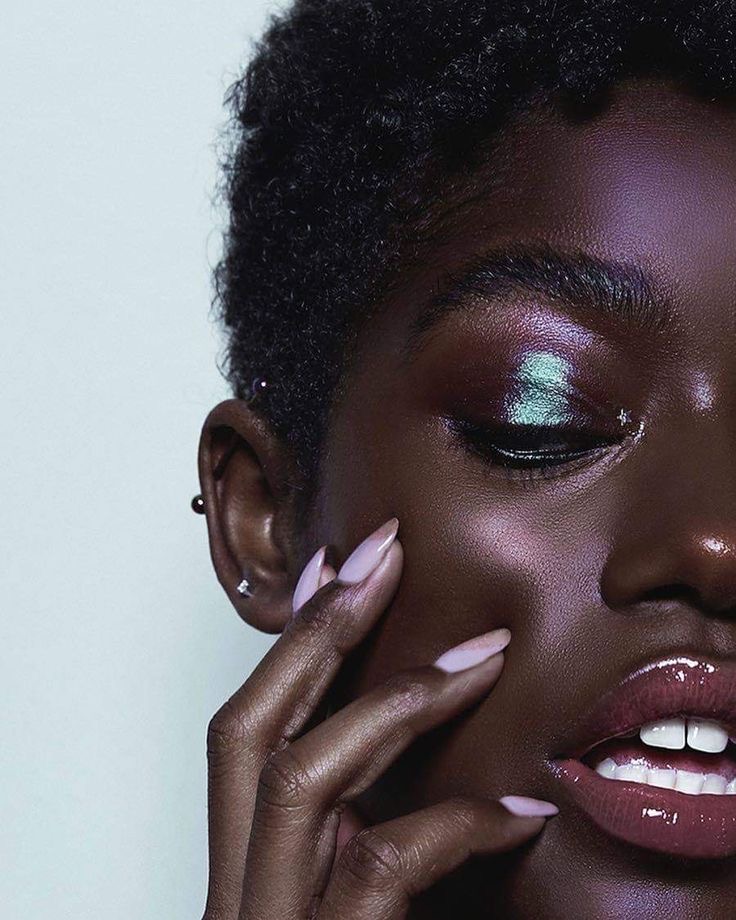
“We’ve always been bold,” says Ugandan makeup artist and educator Anita Kafero. “African women wear makeup as an extension of identity. It’s not just about looking pretty, it’s about being remembered.”
Across social media platforms, African beauty influencers are gaining global followings by showcasing looks that challenge conventional standards of ‘natural’ or ‘minimal’ glam. Instead of muted tones and subdued highlights, these artists are embracing metallic eyeshadows, deep berry lips, high-definition contouring, and an ample amount of blush.
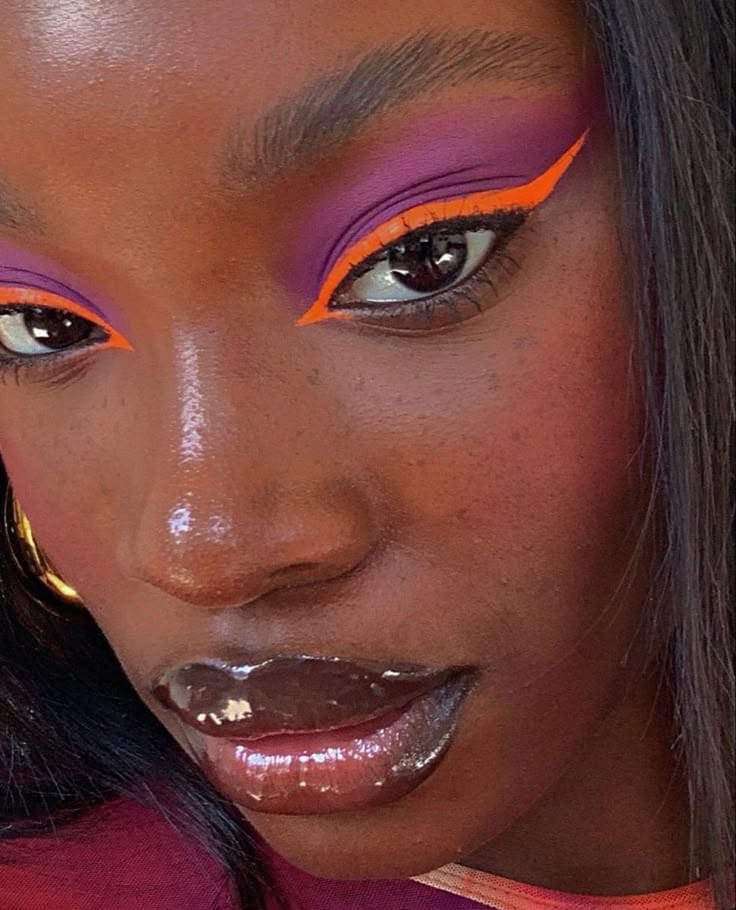
Brands are taking notice. Global cosmetics companies are not only diversifying their product ranges to include more pigment-rich palettes and deeper shade ranges, but many are turning to African artists for creative direction. In 2024, multiple African MUAs were hired as lead artists for international campaigns by MAC, Fenty Beauty, and Huda Beauty.
This shift didn’t come overnight. For decades, African makeup was often sidelined in the global industry, overlooked in magazines, and misrepresented in advertisements. Yet, despite the lack of acknowledgment, African makeup evolved on its own terms.
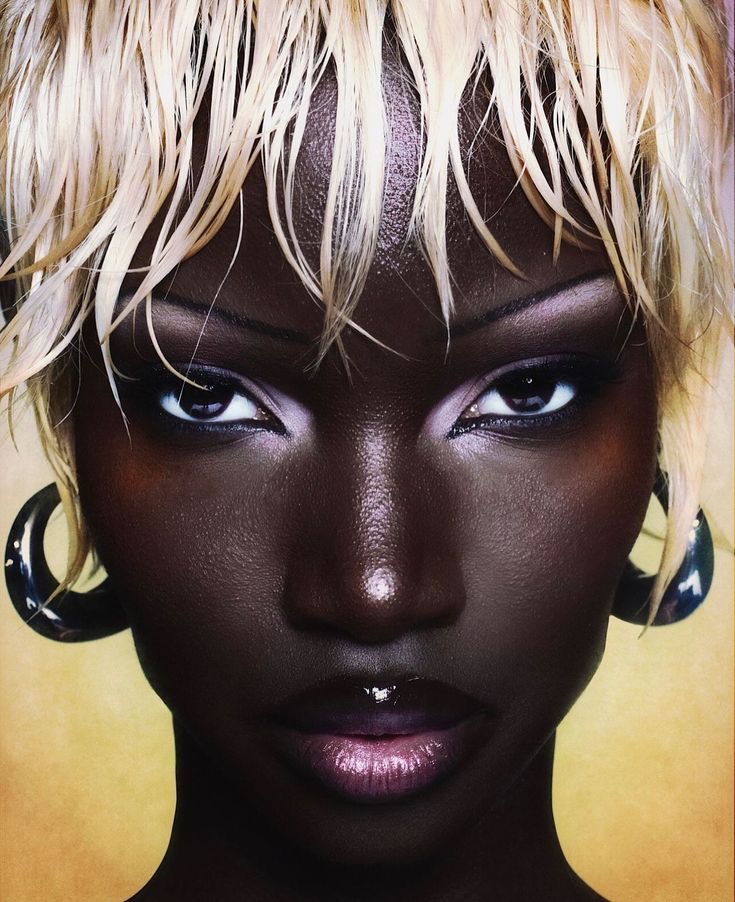
“Our makeup culture is rooted in ritual and resilience,” says South African beauty historian Thando Molefe. “From traditional face markings to ceremonial paint, African beauty has always been deeply symbolic. Today’s trends are a modern continuation of that legacy.”
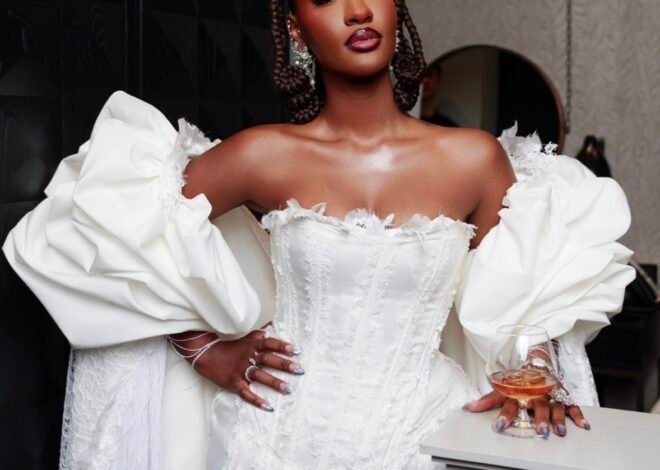
In cities like Nairobi and Accra, makeup is also deeply tied to celebration. Events like weddings, introductions, and traditional ceremonies demand looks that are expressive, full of character, and unmissable. In these spaces, the makeup artist is both technician and storyteller.
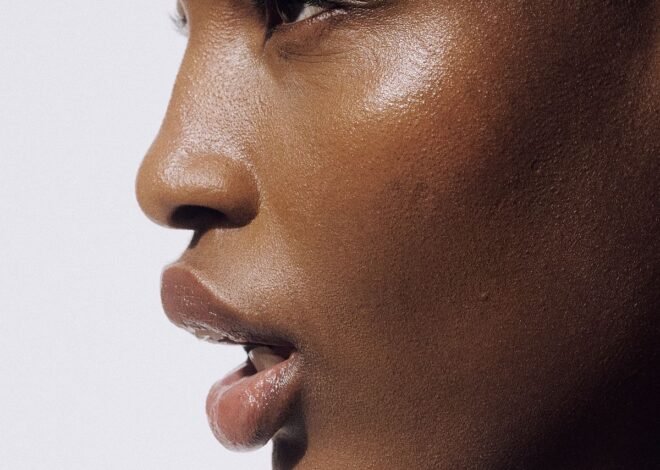
With TikTok and Instagram the rest of the world has been quick to notice. Tutorials featuring African-inspired techniques, like reverse contouring, colored under-eyes, and oil-based high-shine finishes, overlined lips are being replicated by influencers in New York, London, and Seoul.
More significantly, the aesthetic is being credited. African beauty is no longer seen as “alternative.” It’s being understood as essential.
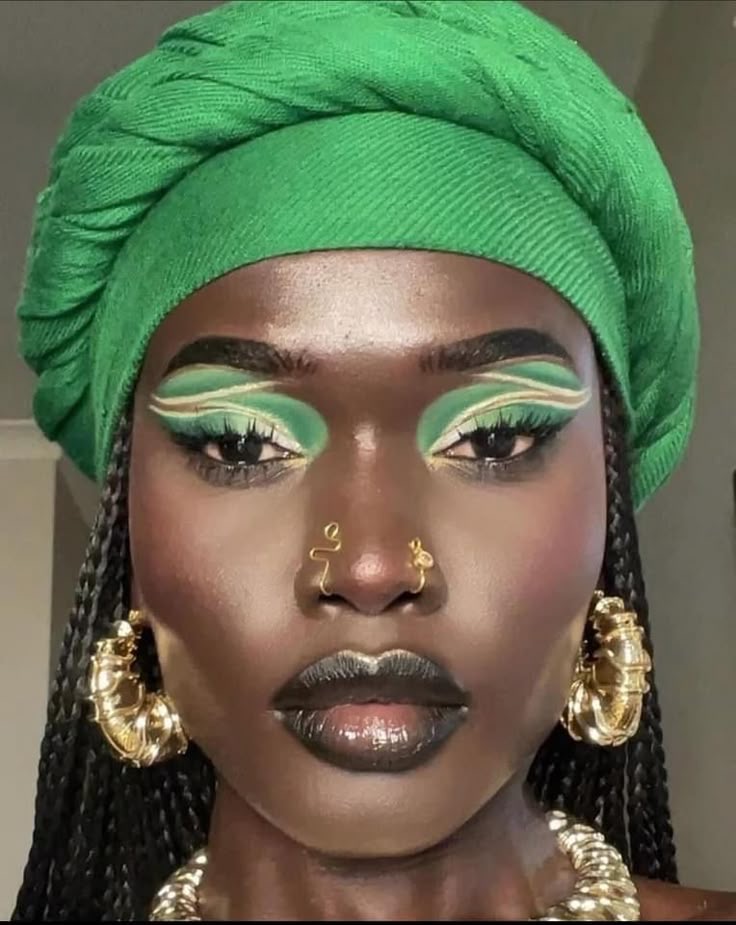
What makes this movement powerful isn’t just the makeup, it’s the mindset. African beauty doesn’t seek validation. It’s not aspiring to blend in. It commands attention. It leads.
As the world’s perception of beauty continues to evolve, one thing is certain: African makeup is not a trend.
What’s Next?
As African women continue to create, inspire, and shape beauty conversations around the world, the next frontier is ownership. Owning our looks. Owning our brands. Owning our platforms. Because African makeup is powerful, and it’s about time the world recognized that Africa doesn’t follow beauty standards. It sets them.