The Mirror Was Stolen: How Colonialism and Media Distorted Black Women’s Self-Image
Being a Black woman and loving yourself has never been a simple act of vanity. It has always been an act of resistance. For centuries, the world has told us that our hair is too coarse, our skin too dark, our lips too full, our bodies too much. At every turn, society suggested that we must straighten, lighten, reduce, cover, or reshape ourselves to be acceptable. This distortion of self-image did not begin in the age of Instagram filters. It began with colonialism, and it was carefully nurtured by global media that continues to echo those standards today.
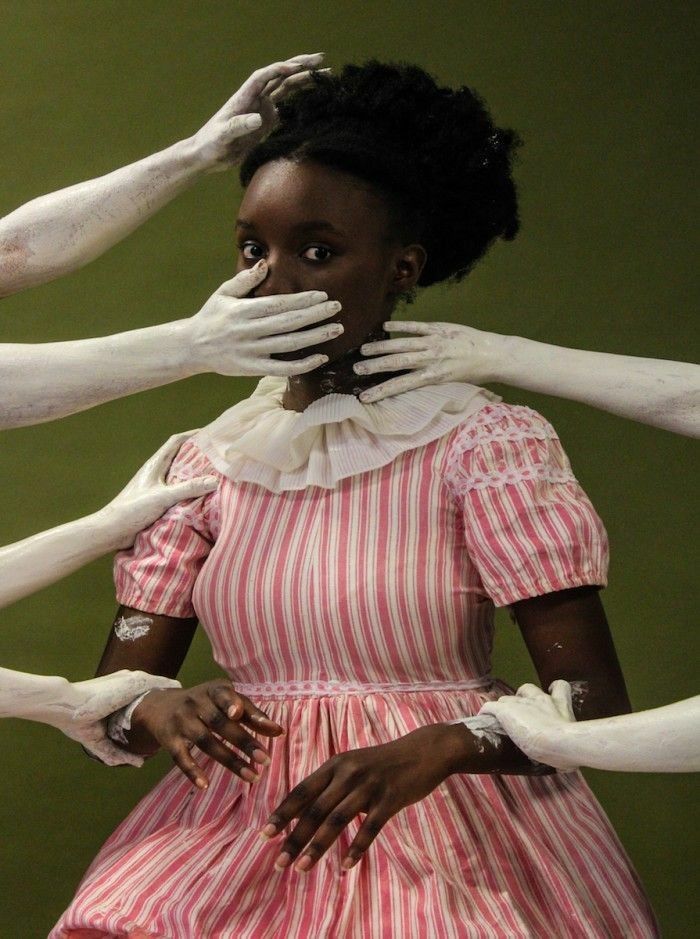
Before the arrival of colonial rule, beauty across the African continent was diverse and celebrated. Hairstyles were not just aesthetics but archives of culture, braids that mapped out ethnic identity, twists that indicated age or social standing, and elaborate adornments that spoke of wealth and spirituality. Dark skin was not stigmatized; it was the norm, embraced and revered. The body was not something to be disciplined into invisibility; curves, strength, and form were signs of fertility, power, and health.
Colonialism changed this completely. Missionaries and European rulers imposed Eurocentric ideals, mocking African traditions and labeling them “savage” or “primitive.” School systems and religious institutions enforced the notion that whiteness was synonymous with civility, beauty, and progress. The arrival of imported products like bleaching creams in the 19th and early 20th centuries was no coincidence; it was part of a system that profited from convincing Black women that they were unworthy as they were. Anthropologists of the colonial period published “scientific” studies that pathologized African features, wide noses, coiled hair, full lips, presenting them as evidence of inferiority. This language of ugliness seeped deep, shaping generations of shame.
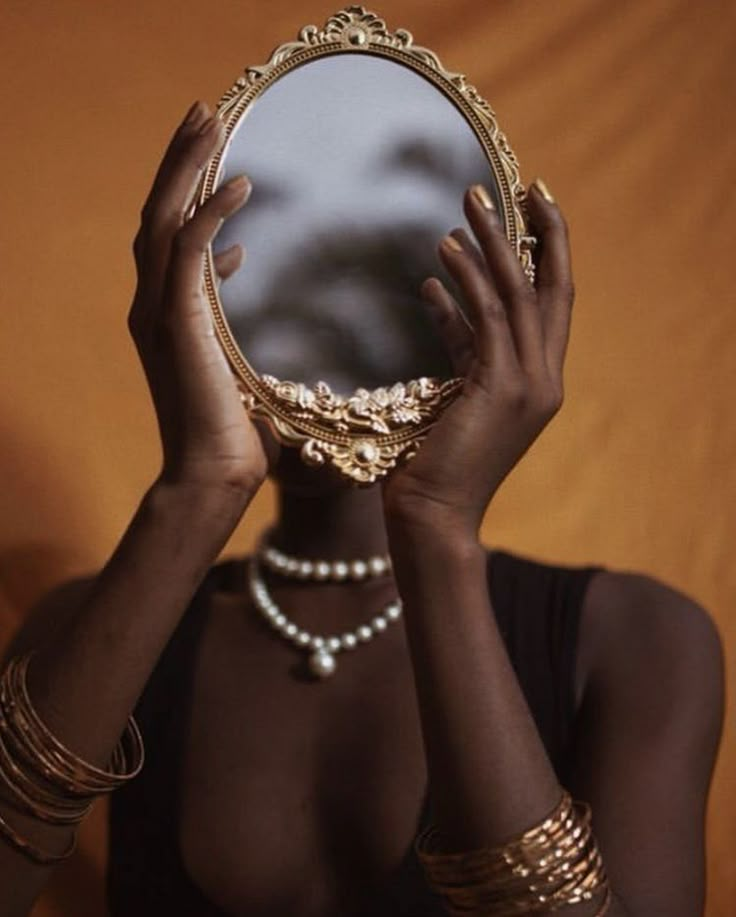
By the time cinema, photography, and advertising took over in the 20th century, the damage had already been set in motion. Hollywood films popularized narrow stereotypes of Black women: the obedient “Mammy,” the hypersexualized “Jezebel,” or the loud, comedic sidekick. None of these representations honored the full humanity, complexity, or beauty of Black womanhood. Meanwhile, across African nations, imported fashion magazines and later television programs showcased white and European models as the standard of elegance. Even children’s toys reinforced the lesson. For decades, dolls were white, blonde, and blue-eyed, subtly teaching Black girls that desirability looked nothing like them.
The economic system around beauty reflected these standards. Relaxers, wigs, and skin-lightening products became billion-dollar industries, capitalizing on insecurities that colonialism and the media had planted. The global market for skin-lightening products today is projected to reach nearly $20 billion by 2030, with Africa and Asia as its largest consumers.
But if the mirror was stolen, Black women have also spent centuries taking it back. In the 1960s and 70s, the Black Power and Pan-African movements declared that “Black is Beautiful.” Women wore their natural hair proudly, turning the afro into a global symbol of resistance. South Africa’s Miriam Makeba, “Mama Africa”, stepped on international stages in traditional attire and hairstyles, singing against apartheid while embodying a pride in African aesthetics that challenged the global gaze. American models like Naomi Sims and later Naomi Campbell broke barriers in fashion, forcing industries to recognize Black beauty as marketable, not marginal.
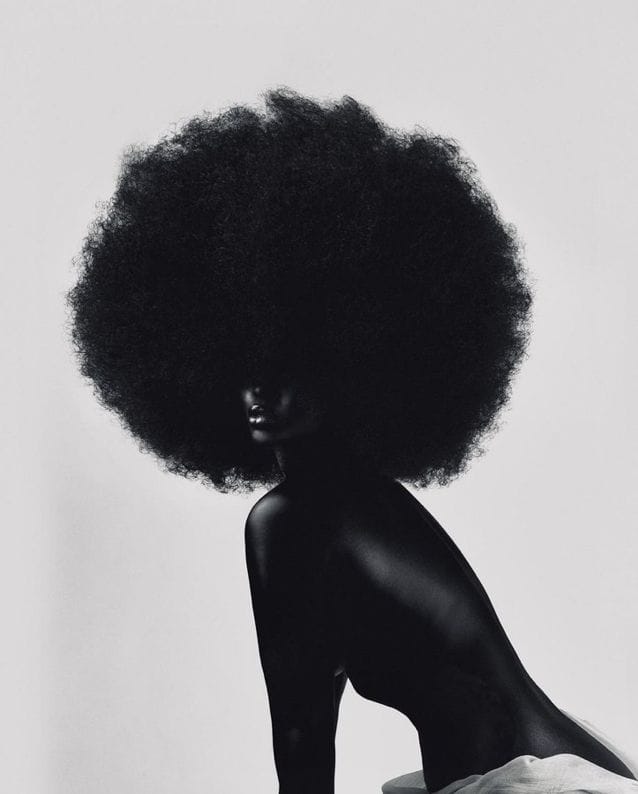
Today, that revolution continues in both grassroots and global ways. Social media hashtags like #MelaninPoppin and #BlackGirlMagic celebrate features that were once mocked, giving young Black girls and women spaces to see themselves reflected without distortion. African fashion designers, from Nigeria’s Lisa Folawiyo to South Africa’s Thebe Magugu, are reclaiming fabrics, silhouettes, and traditions that colonialism once dismissed. Stars like Lupita Nyong’o, Viola Davis, Tiwa Savage, and Aya Nakamura embrace natural hair and dark skin on global red carpets, showing that beauty is not Eurocentric; it is universal.
Yet the struggle is far from over. Even as representation improves, colorism remains rampant. Studies show that darker-skinned women still face greater discrimination in job markets, marriage prospects, and media visibility compared to their lighter-skinned counterparts. Instagram filters often “auto-correct” skin tones to lighter shades. Many workplaces still enforce discriminatory policies against natural hairstyles, forcing Black women to justify what grows naturally from their heads. The residue of colonialism is everywhere, even when we no longer name it.
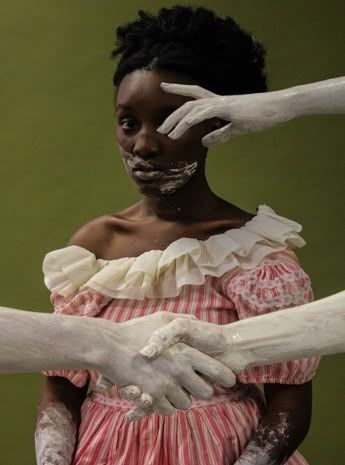
This is why self-love for Black women cannot be dismissed as a trend or a wellness buzzword. It is deeply political. To love your dark skin in a world that teaches you to bleach it is an act of defiance. To wear your natural hair in spaces that police it is a declaration of dignity. To celebrate your curves in a culture obsessed with shrinking women down is to reject centuries of shame. Every act of self-love becomes a small revolution against a history that tried to erase you.
Colonialism stole the mirror, and media polished the lie. But the reflection was never lost. It was only hidden, waiting for us to reclaim it. And every time a Black woman stands in front of her reflection and says, I am enough as I am, another crack forms in that colonial glass.
Self-love, for us, is not indulgence. It is survival. It is resistance. And it is the only way forward.

Related Posts
The Art of Becoming Who You Already Are

The Secret to a More Luxurious Home Isn’t What You Think