Sisterhood: Why Adult Friendships Fade, and How to Keep Them Alive
On a Tuesday afternoon, you pick up your phone with the intention of sending your best friend a “thinking of you” message. But then, an unsettling hesitation washes over you. It dawns on you that it’s been months since you last spoke, not due to a falling out, but because life has a way of enveloping you both in its relentless whirlwind. The silence that now fills the spaces between you feels increasingly burdensome, as if the gap is a vast chasm that grows wider with each passing day. The longer you wait, the more daunting it becomes to bridge that distance. This is the silent heartbreak of adulthood: we find ourselves drifting away from the people we once cherished, without ever formally saying goodbye.
When we were younger, friendship was effortless. School, neighborhoods, campus dorms, life handed us constant opportunities to connect. You didn’t have to plan friendship things; it was a side effect of existing in the same spaces.

But in adulthood, the math changes. Careers devour hours, partners and children demand attention, and rest becomes a luxury. Geography adds another layer, and friends scatter for work, marriage, or migration. Suddenly, that once-constant voice note turns into a “we should catch up soon” text that sits unanswered for weeks.
Sociologists call this “the friendship recession”, a quiet crisis where adults have fewer close friends than previous generations. But for women, the loss hits harder because our emotional well-being can be deeply tied to our social bonds.
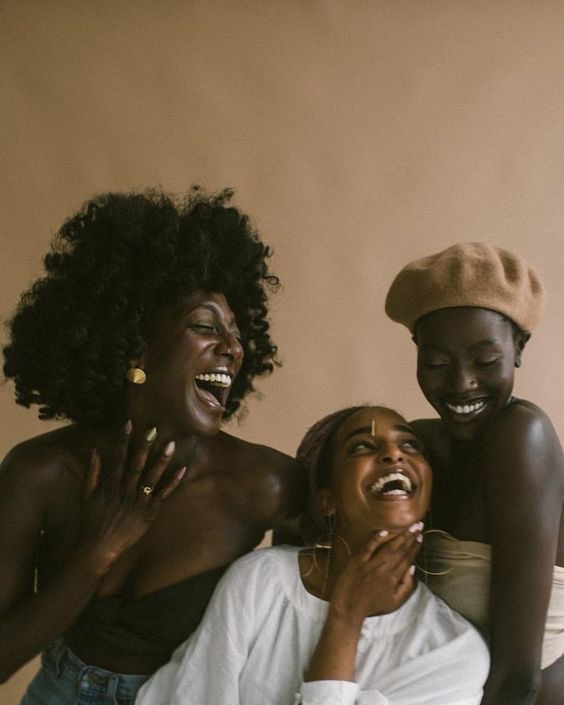
The Science of Sisterhood
Friendship goes beyond emotional support; it is a vital biological fuel for our well-being. Numerous studies illustrate that strong social connections can significantly diminish stress levels, enhance our immune systems, and even contribute to a longer life. For women, friendships evoke not only companionship but also a profound “tend and befriend” response. In times of stress, our bodies secrete oxytocin, a hormone that promotes connections and encourages nurturing behaviors among friends.
In the absence of these cherished relationships, loneliness can creep in, quietly manifesting as a serious health threat. It can elevate the risk of depression, anxiety, and even cardiovascular problems, reminding us that isolation has tangible consequences. Friendship is not simply a luxury or an optional aspect of self-care; rather, it stands as a vital pillar of our survival and a cornerstone of our overall well-being. These connections nurture our emotional resilience, provide support during challenging times, and foster a sense of belonging that is essential for a fulfilling life. Without the warmth and understanding of true friends, our journey through life would be significantly diminished, highlighting the profound impact that these relationships can have on our mental and physical health.

When Culture Held Us Closer
In many African traditions, women’s friendships are not “optional extras”; they form the very backbone of community life. These bonds are deep and resilient, reflected in the cooperative spirit of market women who pooled their resources to ensure mutual success and stability. Village aunties, often seen as the guardians of the community, work together to nurture and raise children, sharing responsibilities and wisdom that spans generations. Informal savings groups, known as stokvels, tontines, or chamas, emerge as vital networks, where women gather not just to save money but to strengthen their ties, support one another, and foster a sense of sisterhood that was integral to their daily survival. This rich beauty of relationships formed the essence of resilience and support in their lives. Back then, distance was rare; you saw your friends daily, because your lives were physically connected.

Friendships can ebb and flow with the changing seasons of life. Not every bond is destined to withstand the test of time. As you evolve, you may find that you have outgrown certain friends, or perhaps your values have shifted in ways that create distance. Additionally, the emotional energy required to sustain these relationships may begin to feel burdensome, overshadowing the joy they once provided. The challenge lies in discerning between friendships that are gently fading away and those that are truly worth the effort to preserve. Understanding this difference can lead to more fulfilling connections in the long run.

Signs a friendship may have run its course:
- You dread interactions instead of looking forward to them.
- The connection feels one-sided for too long.
- Your values or lifestyles have grown in opposite directions.
- Conversations feel forced, shallow, or draining instead of nourishing.
- You no longer feel safe being your authentic self around them.
- Jealousy or competition overshadows genuine support.
- They repeatedly dismiss your boundaries or minimize your feelings.
- The friendship survives more on nostalgia than on present-day connection.
Signs it’s worth fighting for:
- You still laugh deeply together.
- They’ve been there for your darkest hours.
- You miss them in a way that feels like missing a piece of yourself.
- They celebrate your wins like they’re their own.
- You can be vulnerable without fear of judgment.
- Time apart doesn’t weaken the bond, you pick up right where you left off.
- They inspire you to be a better version of yourself.
- When something major happens in your life, they’re one of the first people you want to tell.

Choosing friendship
Here’s the thing: friendship doesn’t die because life gets busy, it dies because no one chooses it.
Practical ways to keep your circle alive:
- Scheduled Intimacy – Put your friends in your calendar like they’re important meetings, because they are.
- Micro-Connections – A two-minute voice note is better than a three-month silence.
- Shared Rituals – Monthly brunch, book swaps, Sunday market runs, rituals create roots.
- Digital Villages – Use group chats not just for memes, but for honest check-ins.
5. Friendship Maintenance Days – Once a year, do a deep check-in: “Are we good? What do we need from each other?”

If you’ve drifted from someone or people you care about, here’s the truth: the awkwardness of reaching out lasts a few minutes. The regret of never trying lasts a lifetime. Send that message. Suggest that coffee. Laugh at the silence and start over. You don’t need a perfect excuse to re-enter someone’s life, you just need intention.

Friendship in adulthood is slower, softer, and requires more tending. It’s less about being in each other’s pockets and more about being each other’s safe place.
As women, we live in a world that often demands we be everything to everyone, but our friendships are where we get to simply be.
So, water your people. Show up for them. And if you’ve been holding back from reviving a connection, remember: every sisterhood worth having is worth fighting for.