
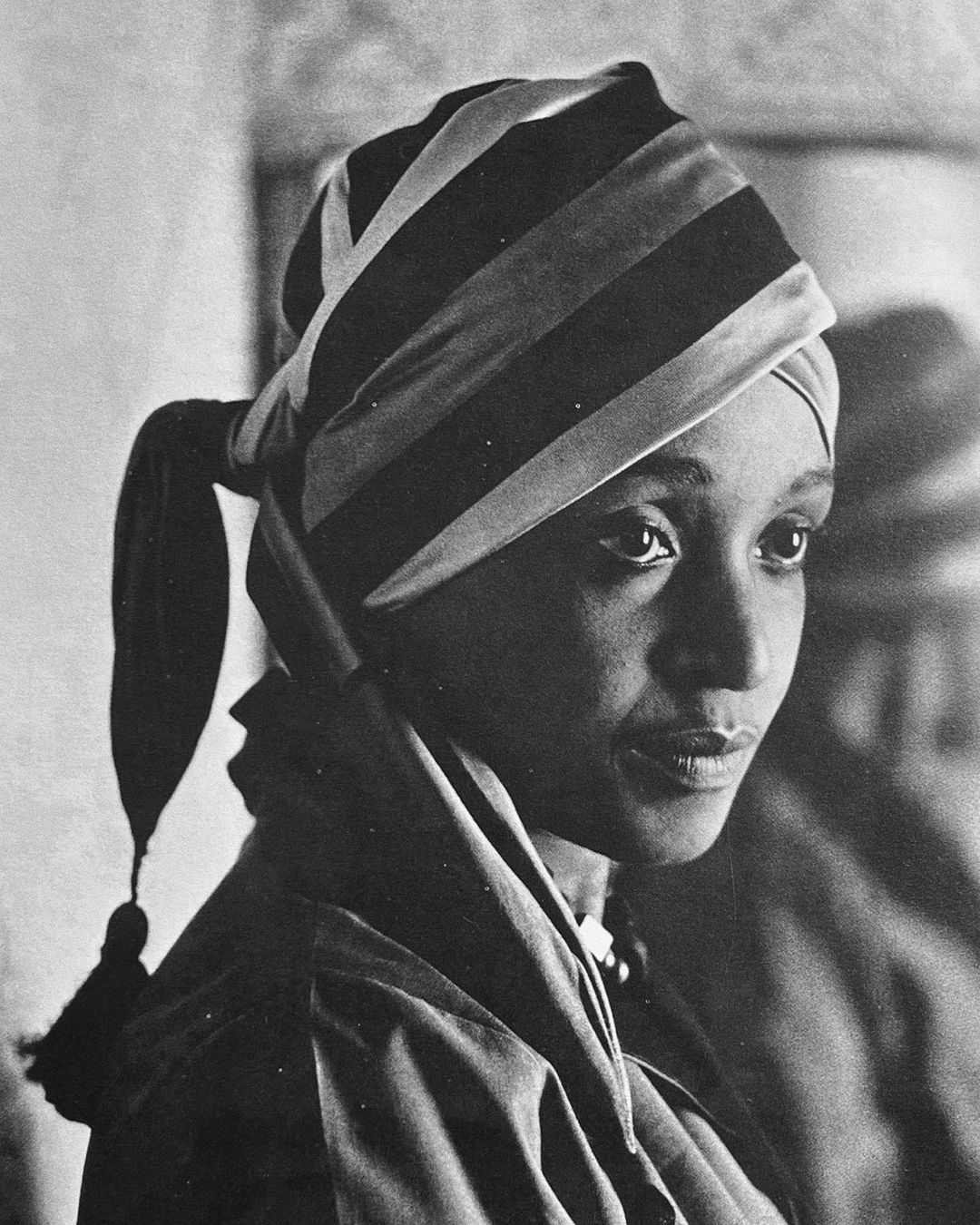
Remembering Peter Magubane Photographer who Captured 40 years of Apartheid.
Peter Magubane: A Lens Against Apartheid
South Africa’s tumultuous history during the era of apartheid is indelibly imprinted in the powerful photographs captured by the legendary Peter Magubane. Born on January 18, 1932, Magubane’s lens became a potent weapon against oppression, revealing the harsh realities of apartheid to the world.
Over four decades, Magubane documented the profound injustice and discrimination that characterized the apartheid regime. His iconic images not only served as a historical record but also as a call to action, urging the global community to confront the atrocities occurring in South Africa. Magubane’s commitment to his homeland was unwavering, as he expressed, “I did not want to leave the country to find another life. I was going to stay and fight with my camera as my gun. I did not want to kill anyone, though. I wanted to kill apartheid.”
Magubane’s work went beyond capturing the external struggles of apartheid; it delved into the heart of the human experience, portraying the resilience, suffering, and resistance of the South African people. His lens was not just a tool for documentation but a means of storytelling that transcended borders, fostering a global understanding of the oppressive regime.
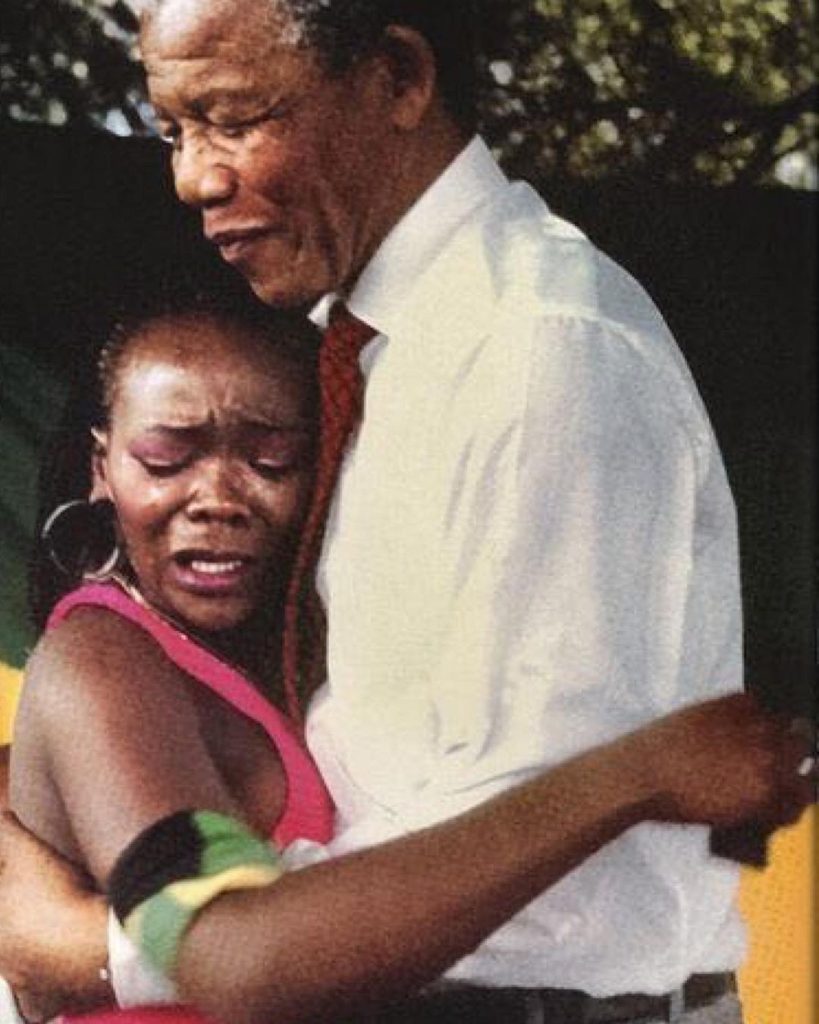
One of the most poignant chapters in Magubane’s photographic journey was his role as the personal photographer of President Nelson Mandela. Through his lens, he chronicled Mandela’s journey from prisoner to president, capturing the hope and triumph that characterized the end of apartheid.
In an interview with The Guardian in 2015, Magubane expressed his desire for the world to witness the harsh reality unfolding in South Africa. His images served as a testament to the courage of those who resisted apartheid, providing a visual narrative that spoke louder than words.
As we remember Ntate Peter Magubane, we honor not only a prolific photographer but also an anti-apartheid activist who risked his life to expose the injustices plaguing his nation. His legacy lives on in the visual archive of 40 years of apartheid, a testament to the power of an individual armed with a camera and a resolute determination to bring about change.
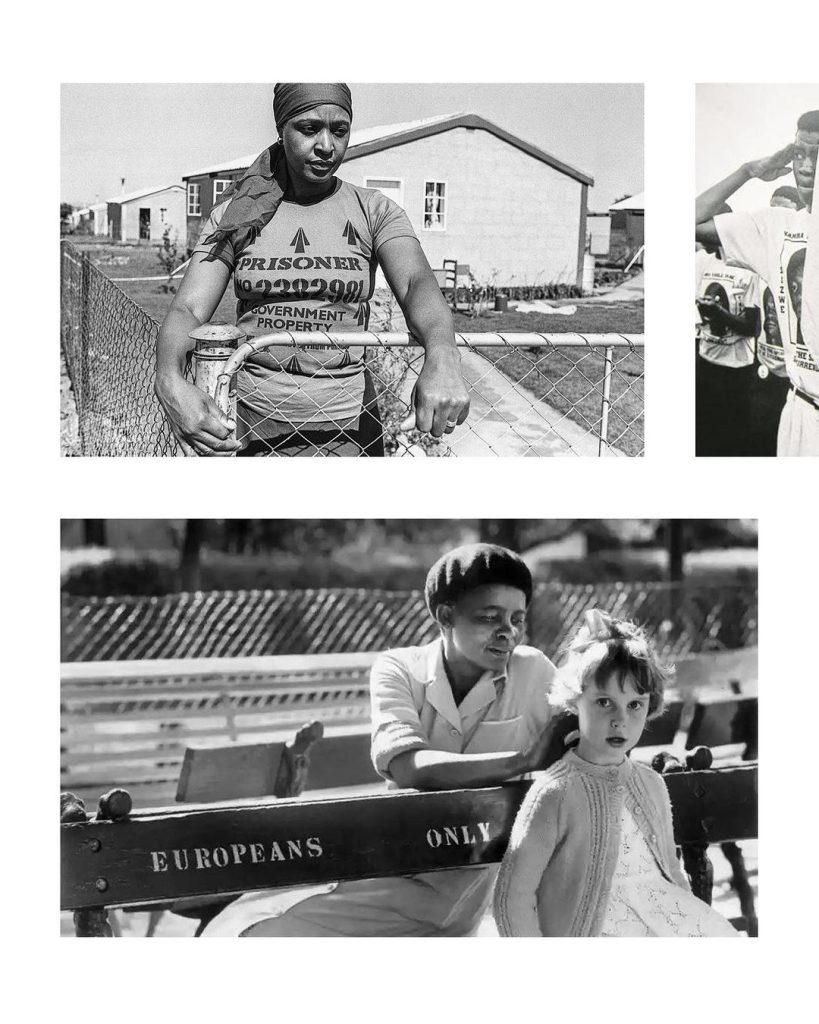
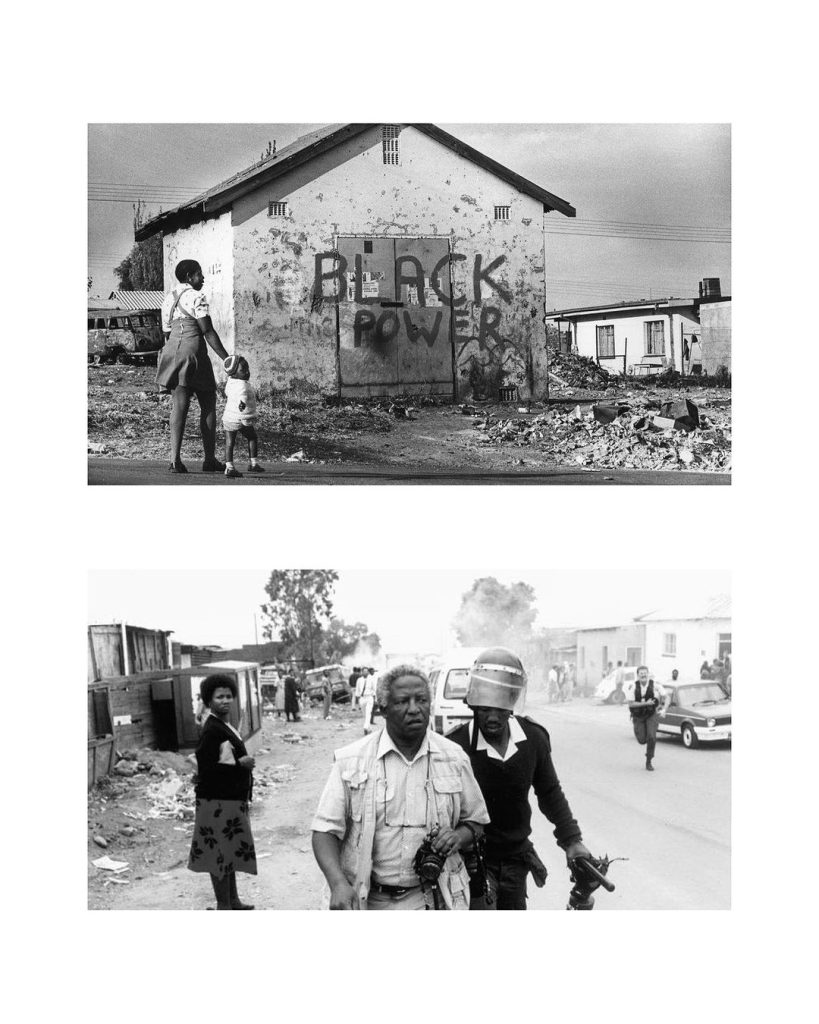
I DID NOT WANT TO LEAVE THE COUNTRY TO FIND ANOTHER LIFE,” HE TOLD THE GUARDIAN IN 2015. “I WAS GOING TO STAY AND FIGHT WITH MY CAMERA AS MY GUN. I DID NOT WANT TO KILL ANYONE, THOUGH. I WANTED TO KILL APARTHEID.
He said
In Video.

Related Posts
How to Infuse Your Space with the Richness of African Style

Miriam Makeba’s Impact On History
