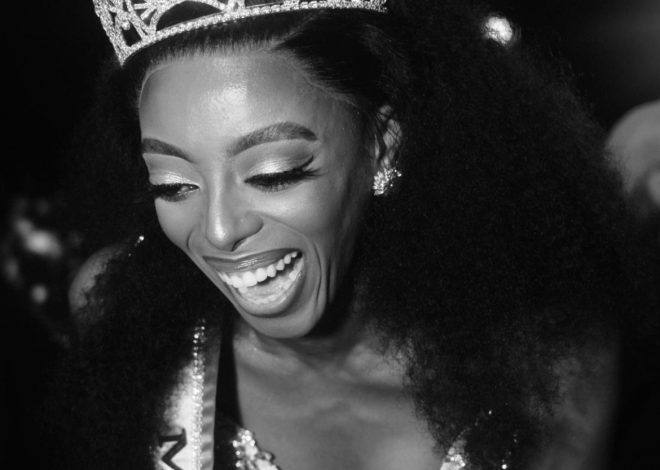
A Fabric Born of Exchange
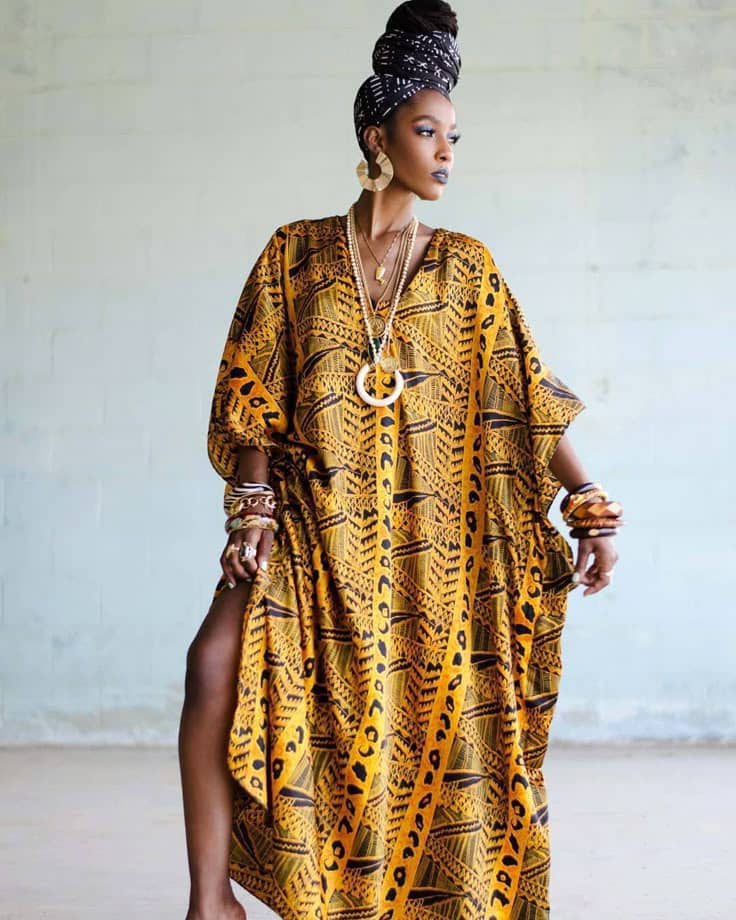
In the kaleidoscope of African fashion, few textiles command attention like the kitenge. With its vibrant patterns, complex symbolism, and cultural versatility, this cotton fabric has journeyed from a simple cloth to a statement of identity, resistance, and celebration across East and Central Africa, and now, the world.
The kitenge’s roots lie in a history of global trade and cultural adaptation. Its origin traces back to the Dutch wax print, itself inspired by Indonesian batik techniques and later mass-produced in Europe. When Dutch traders began circulating these fabrics along the coasts of East Africa in the 19th century, African women not only wore them, but also used them to create intricate designs. They transformed them.
Soon, African manufacturers in Tanzania, Kenya, the Democratic Republic of Congo, and beyond began producing their own iterations. These fabrics, now known as “kitenge” or “chitenge” depending on the region, evolved into distinctly African creations, with symbols, proverbs, and imagery that spoke directly to local life.
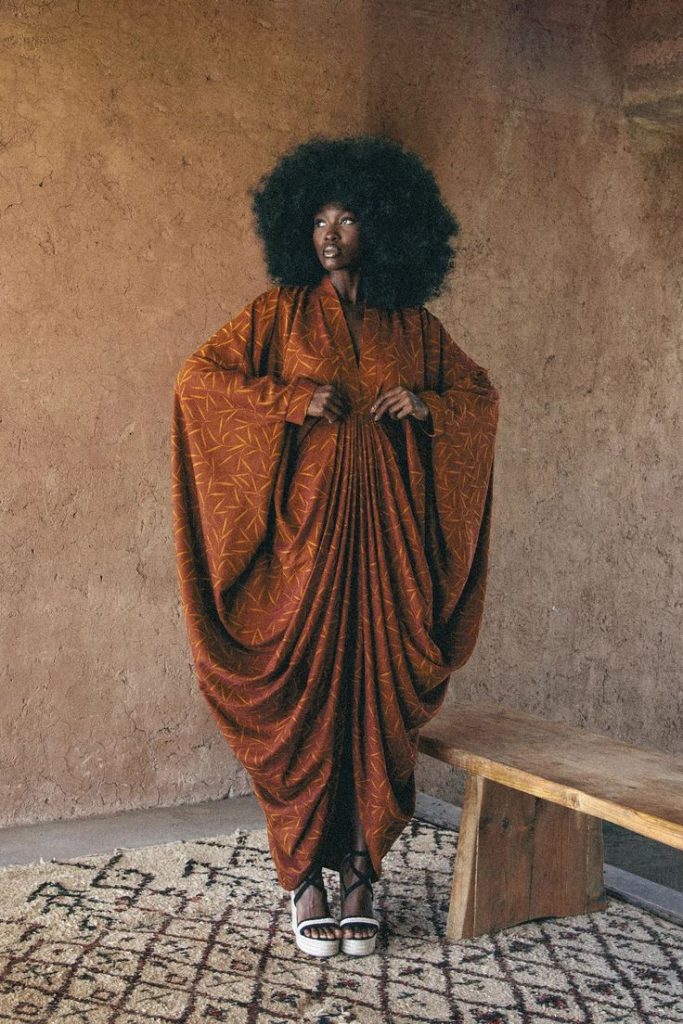
Beyond Fashion
For many African women, especially in rural communities, the kitenge is a language. The cloth is often printed with Swahili sayings, religious messages, political slogans, or symbols tied to love, fertility, strength, or mourning. Wrapped around the body, it becomes a canvas for communication.
In some parts of East Africa, women use kitenge patterns to subtly express their emotions or political views. A certain print may indicate joy, resistance, or disapproval. During election seasons, politicians frequently produce campaign kitenges adorned with their portraits, a form of wearable propaganda.
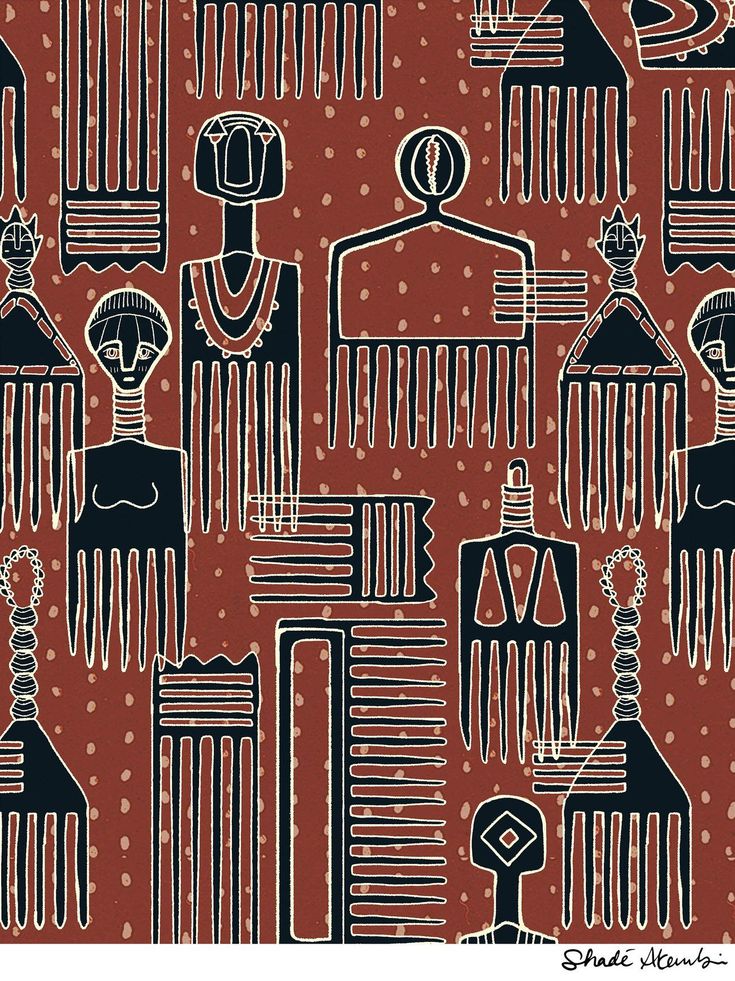
Ceremonial Significance
Kitenge is an essential part of life, playing a crucial role in every significant event, from birth celebrations to weddings and funerals. Matching kitenges, known as uniforms or kitenge sets, are worn by groups of women during ceremonies to show unity, respect, and community identity. In weddings, it’s common for the bride’s family, bridesmaids, or entire village to wear the same kitenge pattern, transforming the ceremony into a sea of coordinated color and meaning.
This tradition of kitenge uniformity became especially popular in the 1980s and 1990s, but its roots stretch back to older customs of communal identity and pride.
A Symbol of Resistance
The kitenge also has a political soul. During the anti-colonial struggles in Africa, the fabric was often worn by activists and supporters as a way of reclaiming African identity and pride. In the DRC (then Zaire), kitenge prints featured the faces of revolutionary leaders. In Tanzania, President Julius Nyerere promoted locally made textiles as part of his push for African socialism and economic independence.
Even today, as global fast fashion floods the markets, wearing kitenge remains an act of resistance, a refusal to erase or forget one’s roots.
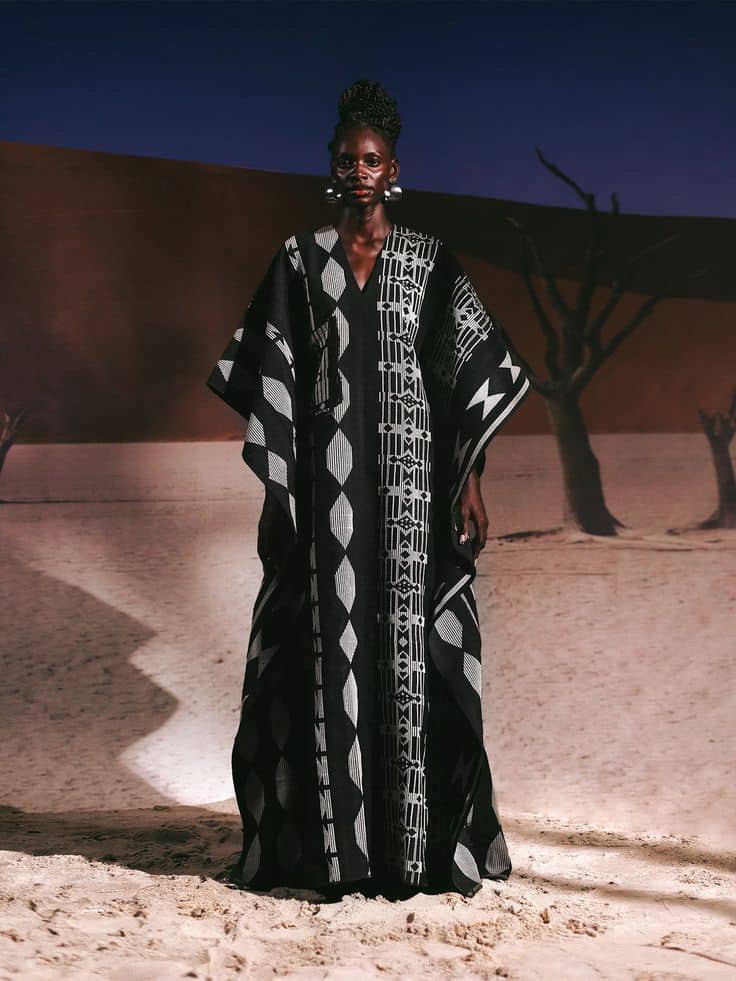
Global Rise, Local Pride
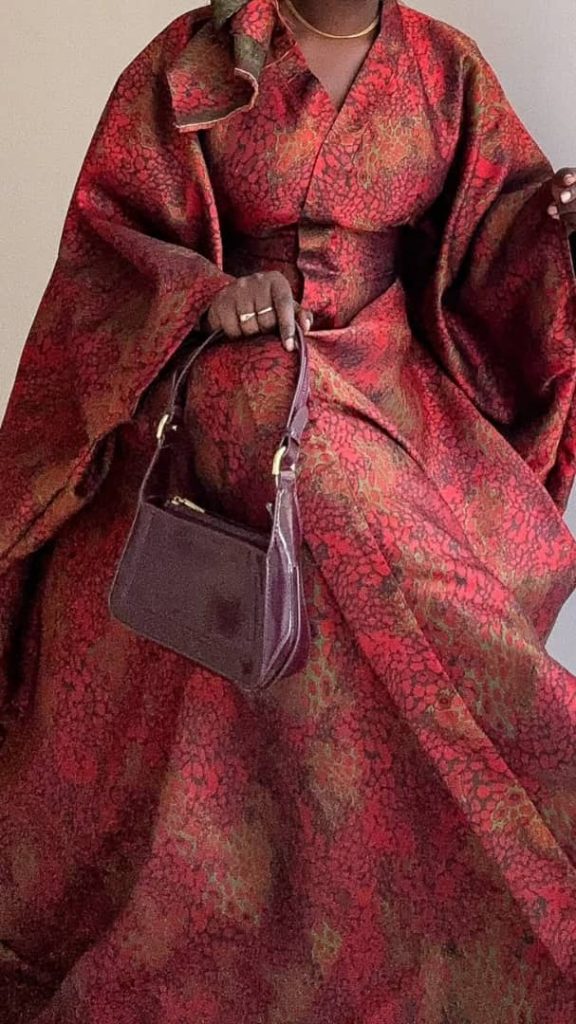
In recent years, kitenge has gone from village staple to international runway. African designers like Laduma Ngxokolo (South Africa), Lisa Folawiyo (Nigeria), and Adele Dejak (Kenya) have elevated traditional fabrics like kitenge into contemporary art and couture. Hollywood and global celebrities have embraced the style, from Beyoncé to Lupita Nyong’o.
Yet at its heart, the kitenge remains a local story. It’s in the bustling markets of Kampala, the tailor shops of Kisumu, the ceremonies in Bukavu, and the mothers tying babies to their backs with fabric that holds generations of meaning.
A Living Legacy
The story of the kitenge is dynamic and constantly evolving. It boldly embraces modern trends while steadfastly preserving its cultural essence. Every thread carries a powerful message. Every print tells a compelling story. With every stitch, a woman boldly displays her voice, her pride, her joy, and her pain, not merely on her sleeve, but around her waist, her head, and her shoulders.
The kitenge represents not only African fashion but also African life, imbued with color, memory, and power.

Related Posts

Aisha Ayensu: The Architect of African Opulence
What Does It Mean to Be African in 2026?