Cardi B’s Rapid Rise Is Reshaping Pop Culture
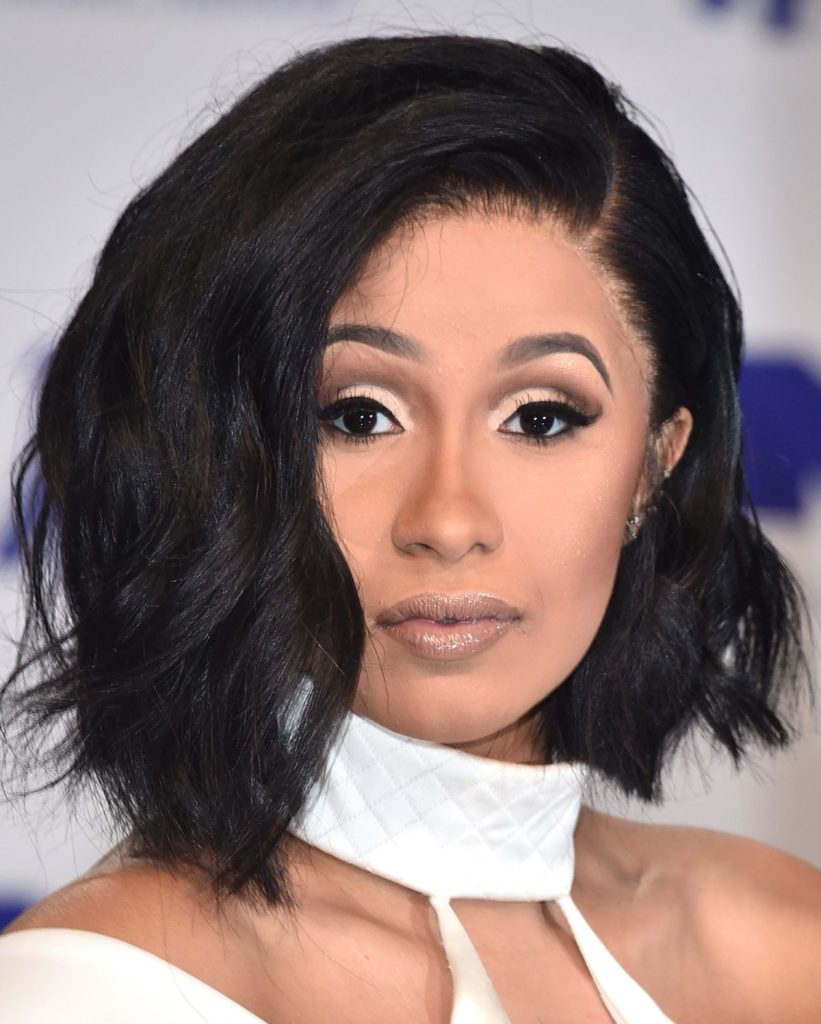
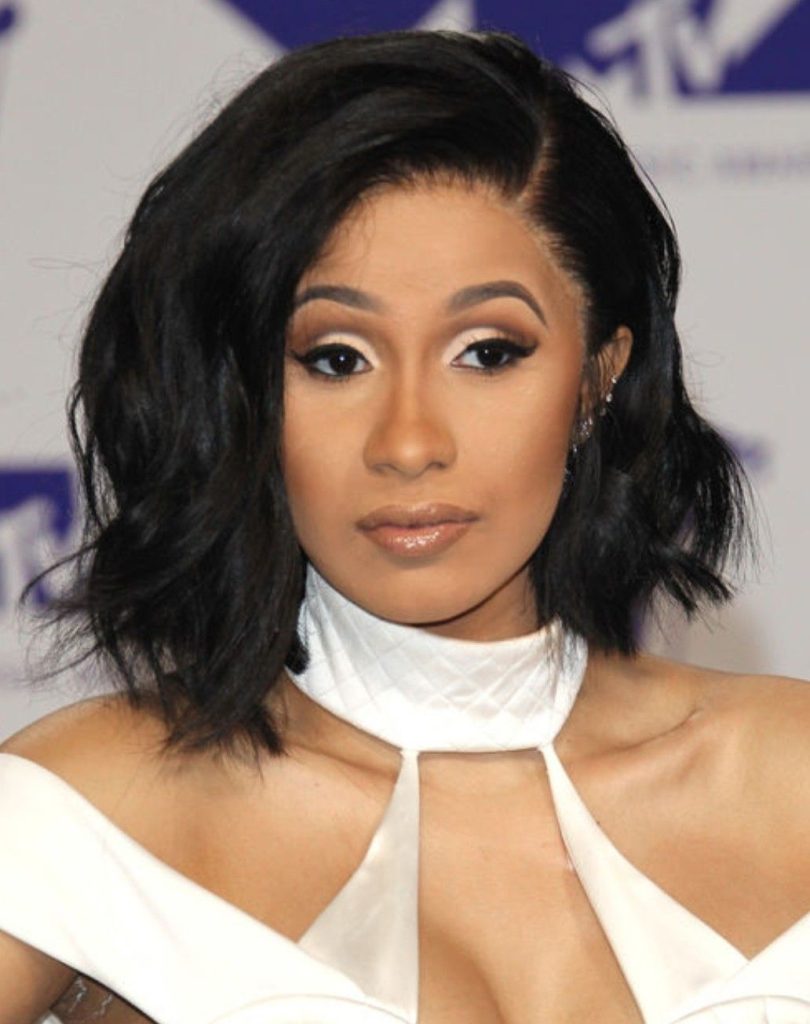
In a year already defined by political tension, cultural reckoning, and shifting power in the entertainment industry, one name continues to dominate conversations across music, social media, and mainstream media: Cardi B. With her breakout single “Bodak Yellow” sitting at the top of the charts and her personality commanding attention everywhere from radio interviews to Instagram timelines, Cardi B’s ascent feels less like a traditional industry rollout and more like a cultural takeover unfolding in real time.
What makes her rise particularly striking in 2017 is not only her commercial success but also the way it has reignited conversations about Afro-Latina visibility, Black womanhood, class, and authenticity in pop culture.
An Unconventional Path to the Mainstream
Cardi B’s journey to the top of the music industry does not resemble the carefully curated trajectories of many pop stars. Before she was dominating the Billboard charts, she built a loyal following through candid social media videos, where she spoke openly about her life experiences, relationships, and financial struggles. Her popularity grew further during her time on Love & Hip Hop: New York, where she stood out not just for her humor but for her refusal to be silenced or reshaped.
In 2017, that same unfiltered energy has translated seamlessly into her music. “Bodak Yellow,” released independently before being picked up by a major label, has become an anthem of self-made success and economic empowerment. The song’s blunt lyrics and confident delivery challenge traditional expectations placed on women—particularly Black women—in hip-hop.
Music critics are already calling the track one of the most significant rap singles of the year, noting how rare it is for a solo female rapper to achieve this level of mainstream dominance.
Centering Afro-Latina Representation
As Cardi B’s profile rises, so does public interest in her identity. Cardi has consistently and unapologetically identified as Afro-Latina, referencing her Dominican and Trinidadian heritage while affirming her Blackness. In doing so, she has brought renewed visibility to Afro-Latinas, a group often marginalized or erased in both Black and Latino cultural spaces.
In interviews this year, Cardi has addressed misconceptions about race and ethnicity, emphasizing that being Latina does not negate being Black. These statements have resonated deeply with fans who see their own experiences reflected in her words.
At the same time, her visibility has sparked debates about colorism, anti-Blackness within Latino communities, and who gets recognized as “Black” in mainstream media. Cultural commentators argue that Cardi’s refusal to separate her identities is forcing long-overdue conversations into the public eye.
Challenging Respectability Politics
Beyond music, Cardi B’s influence is felt in how she navigates fame itself. Her outspoken nature, explicit lyrics, and refusal to adhere to respectability politics have made her both celebrated and criticized. Detractors argue that her behavior reinforces stereotypes, while supporters counter that such criticisms reveal deeply ingrained biases about how Black women are expected to present themselves.
In 2017, Cardi B is pushing back against those expectations simply by existing loudly and unapologetically. Her humor, sexuality, and candor are not toned down for mainstream acceptance—they are central to her appeal.
For many young women, particularly those from working-class backgrounds, Cardi represents a rare form of visibility: success without assimilation.
Social Media as a Cultural Engine
Unlike many artists who rise through traditional gatekeepers, Cardi B’s influence has been fueled by social media. Her Instagram videos regularly go viral, often sparking conversations far beyond music. In these moments, Cardi becomes more than a rapper—she becomes a commentator on relationships, money, and survival.
In 2017, this direct connection to fans has allowed her to shape her own narrative in real time, bypassing media filters that have historically misrepresented Black women. Her authenticity has cultivated a fanbase that sees her not as an untouchable celebrity, but as someone who speaks their language—literally and culturally.
A Broader Shift in Hip-Hop and Pop Culture
Cardi B’s rise comes at a moment when the music industry is being forced to reckon with its treatment of women, particularly women of color. While male rappers continue to dominate airwaves, Cardi’s success raises questions about why female rappers have historically been treated as exceptions rather than norms.
Her dominance in 2017 challenges that narrative. She is not positioned as a novelty, but as a competitor—and a leader—within hip-hop’s most competitive spaces.
Industry analysts suggest that her success could open doors for more women, especially those who do not fit traditional beauty or class standards imposed by the industry.
A Cultural Moment Still Unfolding
As the year draws closer to its end, it remains unclear what Cardi B’s long-term impact will be. But in 2017, her influence is undeniable. She represents a shift in who gets to be visible, heard, and celebrated in mainstream culture.
More than a chart-topping artist, Cardi B has become a symbol of a changing cultural landscape—one where Black, Afro-Latina, and working-class women are claiming space on their own terms.
And as her rise continues, one thing is certain: pop culture is no longer able to ignore the voices Cardi B amplifies simply by being herself.