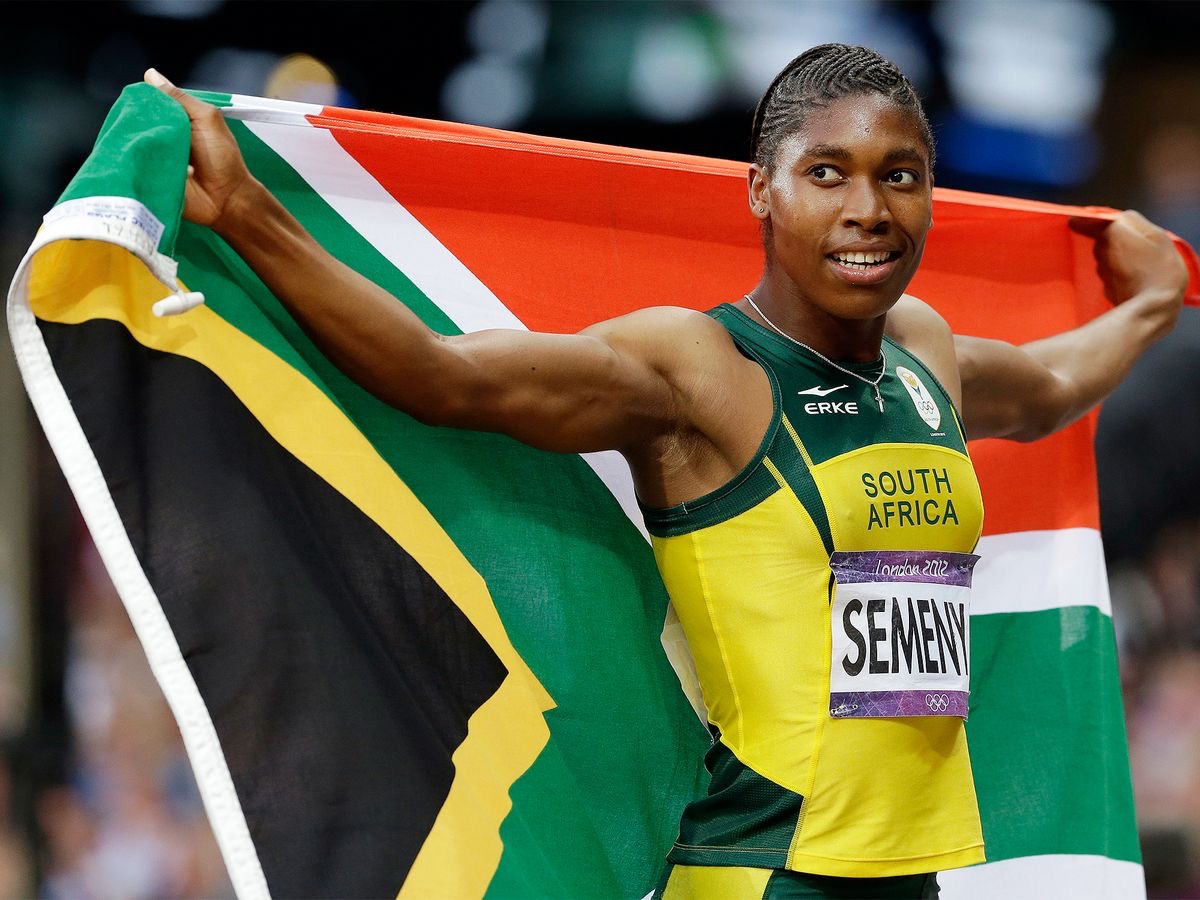
The Unwavering Stand of Caster Semenya: A Champion Redefining Victory
In the world of elite athletics, victory is traditionally measured in hundredths of a second, gold medals, and shattered records. But for South Africa’s Caster Semenya, a two-time Olympic champion, the most profound victory has been won not on the track, but in the global court of public opinion and human rights, forcing a long-overdue conversation about identity, fairness, and the very definition of a woman in sport.
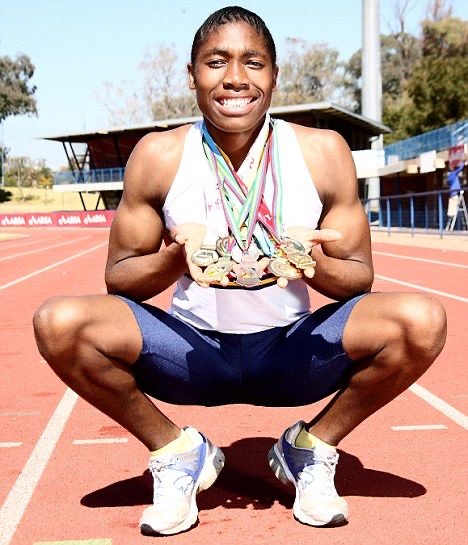
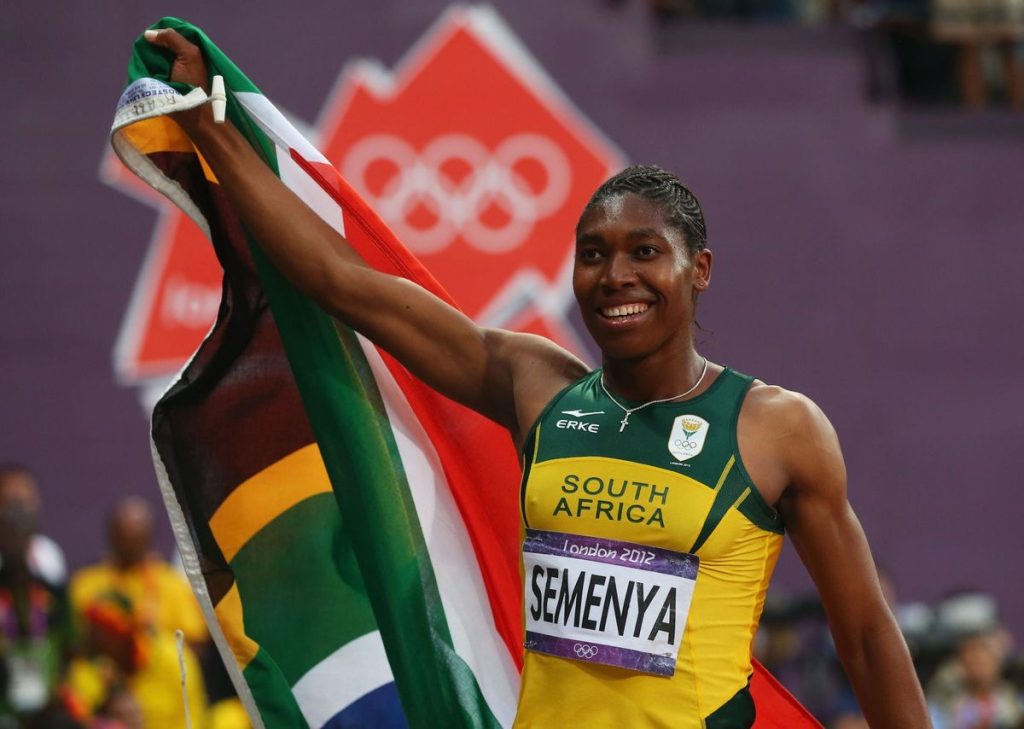
Semenya’s arrival on the international stage was as explosive as it was controversial. In 2009, an 18-year-old unknown from rural Limpopo decimated the competition at the World Championships, winning the 800m with a breathtaking performance. Instead of pure celebration, her triumph was met with a vicious and public scrutiny of her body, her genetics, and her identity. She was subjected to invasive gender verification testing, a humiliating ordeal that sparked a global debate she never asked for but would come to define her fight.
What followed was a career of breathtaking athletic excellence, achieved under an unimaginable spotlight. Semenya is, without doubt, one of the greatest middle-distance runners of all time. She is the two-time Olympic gold medalist in the 800m (2012, 2016) and a three-time World Champion. Her powerful, front-running style was a spectacle of sheer dominance. Yet, each victory was shadowed by a question mark, a whispered debate about the “fairness” of her natural genetic gifts.

The institutional response crystallized into regulations targeting athletes with Differences of Sex Development (DSD). World Athletics (then the IAAF) implemented rules requiring women like Semenya, with naturally high testosterone levels, to medically lower those levels through daily contraception or surgery to compete in events from 400m to a mile. The governing body argued this was necessary to ensure a “level playing field.”
For Semenya, this was not a matter of policy, but of principle. It was a discriminatory mandate that asked her to alter her fundamental biology, the very essence of who she is, to be allowed to do what she was born to do. She refused. Her refusal is an act of immense resilience and a powerful statement: I will not be medicated to be legitimized.
Her subsequent legal battle has been a long and grueling marathon in itself. Taking her fight to the Court of Arbitration for Sport (CAS) and beyond, she has argued that the regulations are discriminatory, unscientific, and targeted. While the courts have largely upheld the rules on the grounds of “preserving competitive fairness,” they have acknowledged they are discriminatory. Semenya’s fight has exposed the uncomfortable, often hypocritical, intersection of science, gender, and race in a system historically controlled by Western norms.
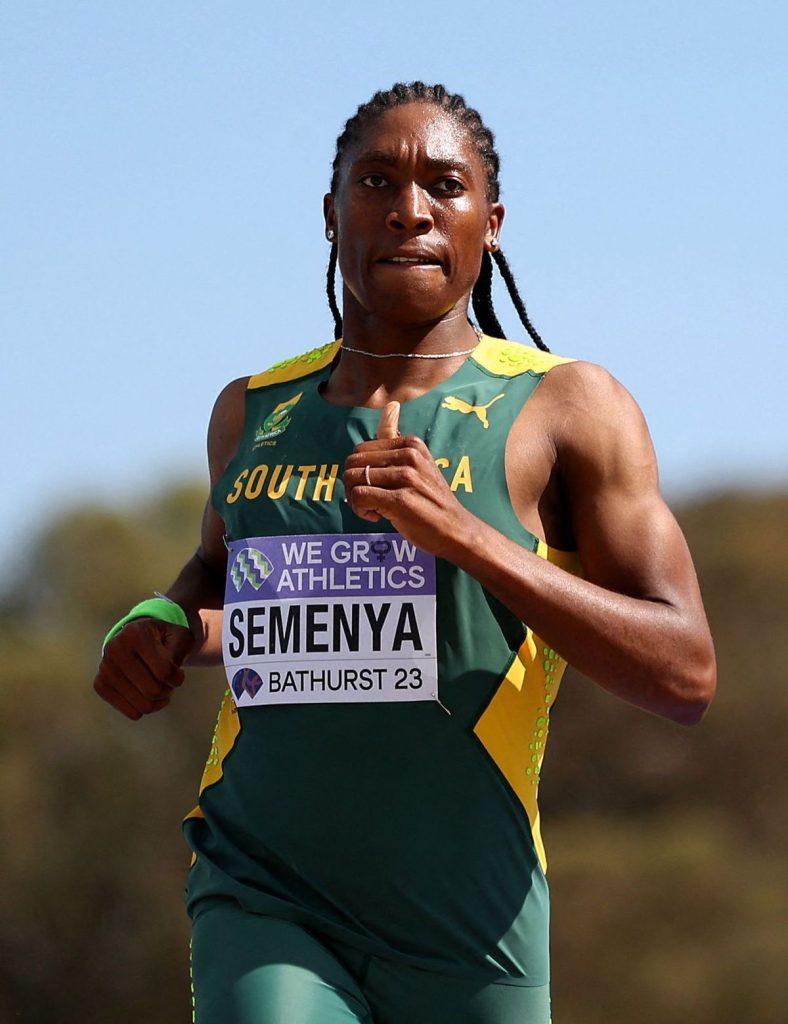
Caster Semenya’s story goes beyond sport. It is about the right to exist without apology. It is about challenging archaic systems that seek to categorize human bodies into neat binary boxes, often at the expense of dignity. She has become a global icon for human rights, standing firm for herself and for future athletes who may be forced to navigate the same painful choice between their identity and their career.
Though barred from defending her Olympic title in her preferred event, Semenya’s legacy is secure. Her wins are written in the history books, but her true impact is written in the conscience of the world. She has redefined what it means to be a champion. It is no longer just about crossing the line first; it is about having the courage to stand your ground, even when you stand alone. Her race is not over, and her resilience continues to inspire a fight for a more inclusive and humane future in sport and society.