Fashion Was Never Just Fashion
Fashion has long been misunderstood as something superficial, a world of catwalks, celebrities, and fleeting trends. But anyone who has truly studied fashion, even briefly, knows it is one of the most powerful forces in human culture. It is a language, a political act, a mirror of society, and an expression of identity, all wrapped into what we wear every day.
Fashion as Cultural Memory
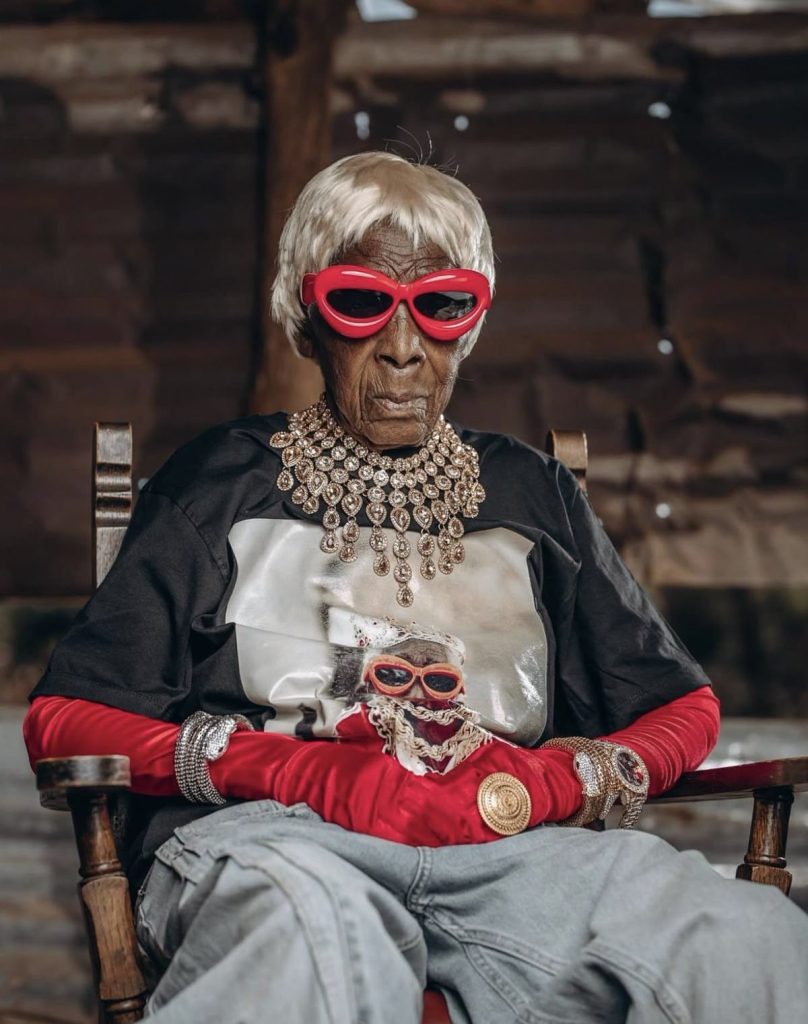
Throughout history, clothing has been a reflection of cultural values, religious beliefs, and even colonial impositions. What people wore in ancient Egypt told you their class and profession. The textiles of the Ashanti kingdom in West Africa were woven with symbols of spiritual power and status. In Japan, a kimono is a ceremony, code, and communication.
Fashion has always carried memory. It archives identity. In colonized societies, the forced replacement of traditional garments with European attire wasn’t simply a change in style; it was cultural erasure. So today, when African designers or Indigenous artists reintroduce traditional aesthetics into contemporary fashion, it’s an act of reclamation, a deliberate form of resistance.
The Politics of Style
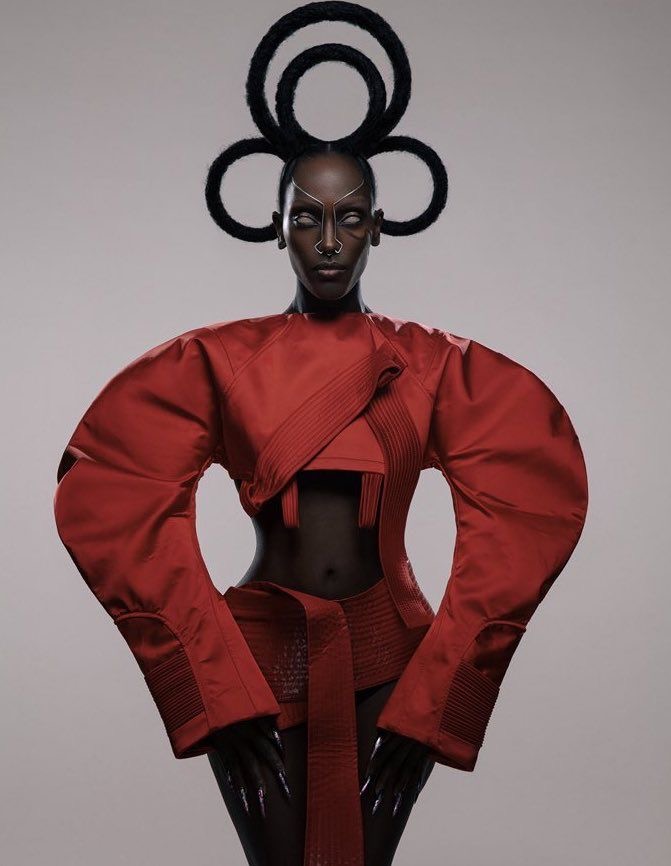
There is no such thing as neutral clothing. The way someone dresses is loaded with meaning, both intentional and projected. Think of the black leather jackets of protest movements. Think of the headwraps worn by women reclaiming African heritage. Think of gender nonconforming individuals using fashion to assert their freedom from binary norms.
Fashion, whether high-end or street, is inherently political. It signals belonging, rebellion, aspiration, or dissent. And in a world where appearance can dictate opportunity or safety, style becomes not just self-expression, but self-preservation.
The Illusion of the Runway
Despite the deeper layers of meaning behind clothing, the global fashion industry often paints a shallower picture. Runway shows, luxury advertising, and social media aesthetics tend to focus more on appearance than intention. The problem isn’t that fashion is beautiful; it’s that beauty becomes the only story told.
Behind the gloss of luxury lies a more complex truth: exploitation, waste, and fast fashion’s environmental toll. Millions of garments end up in landfills. Garment workers in developing countries labor in unsafe conditions for minimal pay. The question isn’t just “what’s in style,” but “who pays the price for it?”
Rethinking Sustainability
Sustainable fashion isn’t only about organic cotton and ethical factories. It’s about slowing down. It’s about valuing clothing for how it looks and how it’s made. It’s about circular systems where fashion can be reused, repurposed, and remembered.
More consumers are asking these questions now. More designers are innovating with biodegradable materials, upcycled collections, and artisan partnerships. Fashion’s future will be less about trend cycles and more about conscious creativity.
Expression and Identity
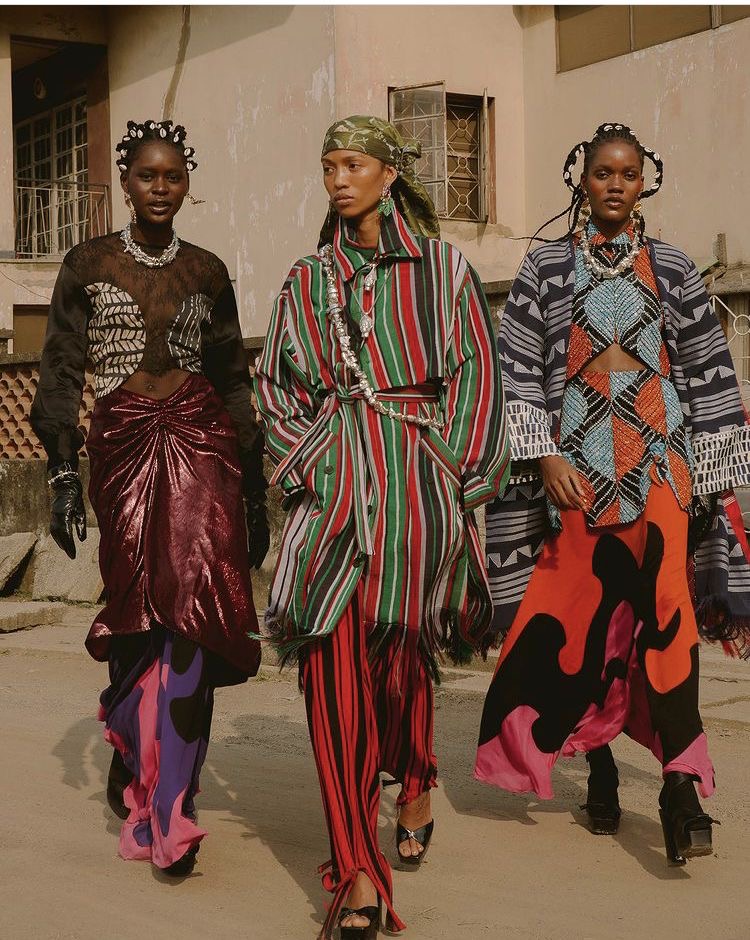
Fashion is also deeply personal. What someone chooses to wear, or chooses not to wear, tells a story. For marginalized communities, fashion has often served as a refuge. For youth discovering identity, it’s a canvas. For those healing from trauma, it’s a new layer of self.
Fashion can mark major life transitions: a uniform that gives purpose, a dress that defines a coming-of-age moment, a suit that restores confidence. These moments may not go viral, but they are real. They’re the heartbeat of why fashion matters.
Where Fashion Is Headed
Today, we’re witnessing fashion decentralize. No longer ruled solely by European houses, creativity is thriving in Lagos, Kampala, Nairobi, Mumbai, Seoul, and beyond. The rise of digital fashion, inclusive sizing, genderless collections, and AI design is reshaping what fashion looks like, and who it’s for.
The gatekeepers are changing. The narrative is shifting. Fashion is becoming less about exclusivity and more about meaning.
In Conclusion
Fashion is not trivial. It is not shallow. It is not just for the elite.
It is human expression.
It is deeply emotional, cultural, historical, and political.
And whether you’re on a runway or walking to work, what you wear is never just clothing. It is always a message.
The only question is: what are you saying?