Crowning Glory: The Power, History, and Soul of Afro Hair
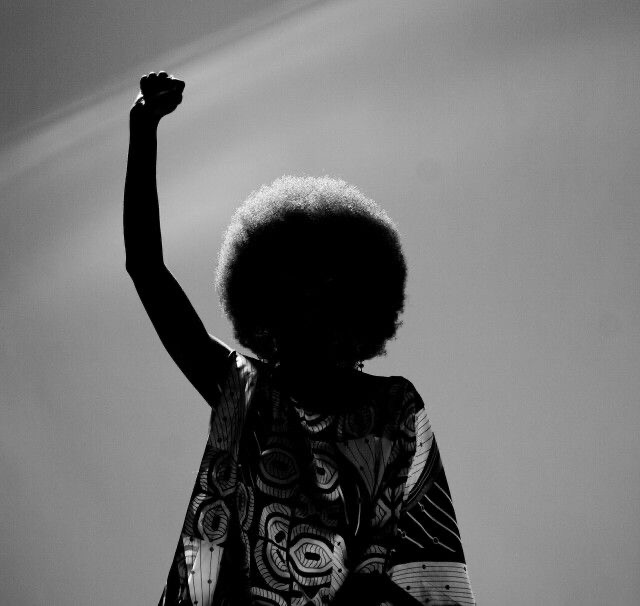
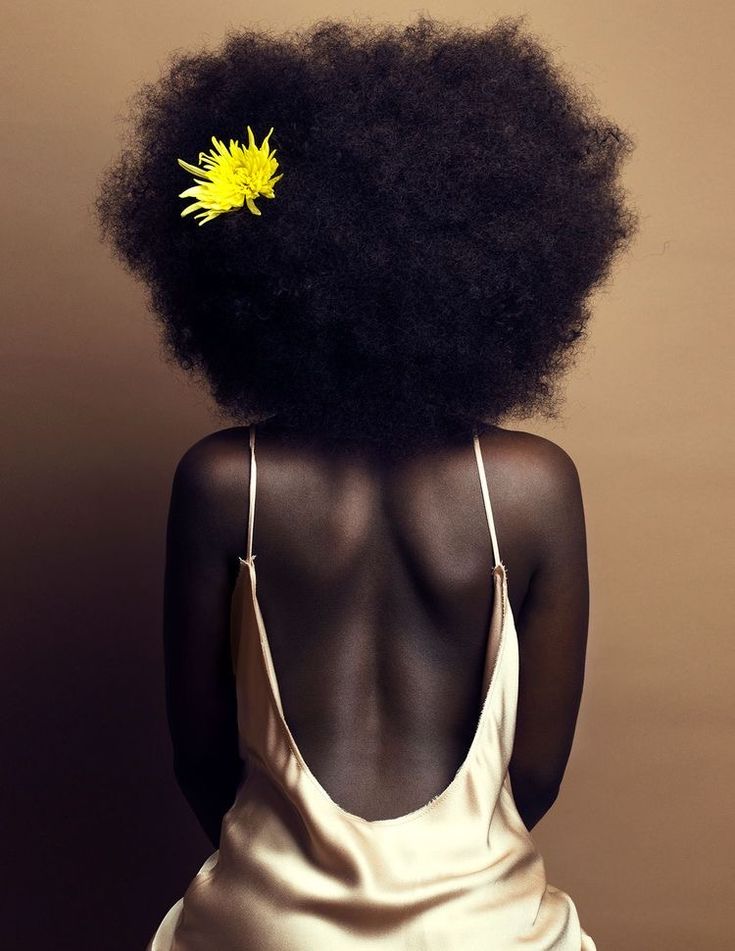
Afro hair is more than just a style; it’s a beautiful expression of strength and culture. Each curl and coil tells a story of resilience and richness, showcasing the uniqueness of every individual who wears it. Creativity, culture, and identity: a crown passed down through generations. Shaped by time, trauma, resistance, and celebration. It defies gravity, expectations, and at times, society itself. For centuries, Black people have worn their hair not just as an accessory but as a language, a shield, and a home.
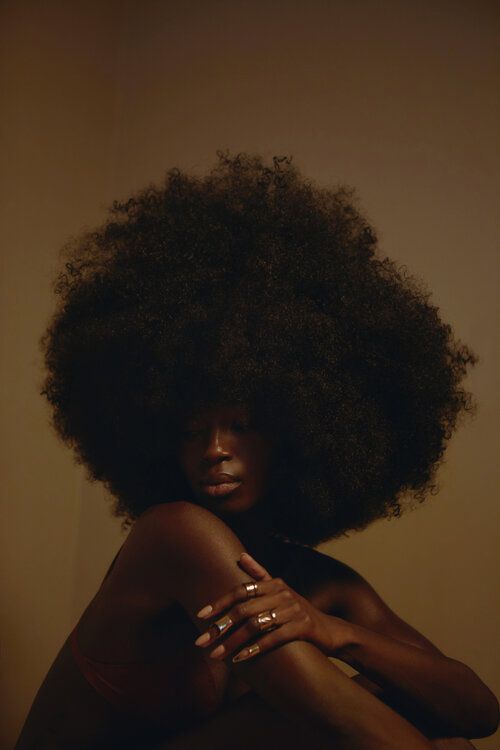
Every strand carries a piece of history.
Before colonialism and slavery disrupted the African continent, hair was a cultural map. Different tribes used styles to signify social status, family lineage, marital status, age, wealth, and even fertility. Hair was sacred, cared for communally, adorned ceremoniously, and shaped with pride. In West Africa, intricate braids and sculptural updos weren’t just beautiful; they were powerful.
Then came colonization. Then came the ships.
The transatlantic slave trade brought unimaginable suffering, and along with bodies, it attempted to erase identities. Many slaves had their heads shaved as a way to dehumanize them and strip them of their roots, quite literally. The hair, once regal and symbolic, became something that was hidden, mocked, and despised. A source of shame instead of pride. Centuries of systemic racism pushed a standard of beauty that did not include Afro-textured hair, and certainly did not celebrate it.
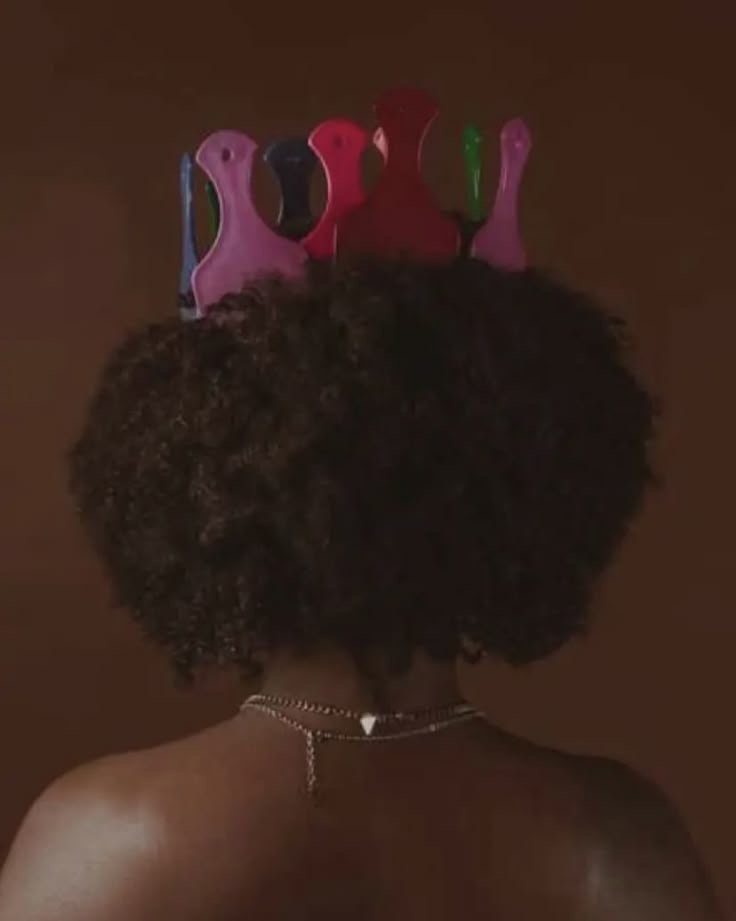
The Struggle of Beauty in a Straight-Haired World
For years, Black women and men were forced, sometimes subtly, sometimes overtly, to make their hair “acceptable.” Relaxers, hot combs, wigs, and weaves were not just choices; they were survival tools. “Tame it,” they were told. “Straighten it or lose the job. Straighten it or face the stares. Straighten it or be seen as dirty, wild, unprofessional.”
These weren’t simple beauty decisions. These were acts of negotiation with a society that often made Black people feel like their natural selves were never enough.
But something shifted. Or rather, returned.
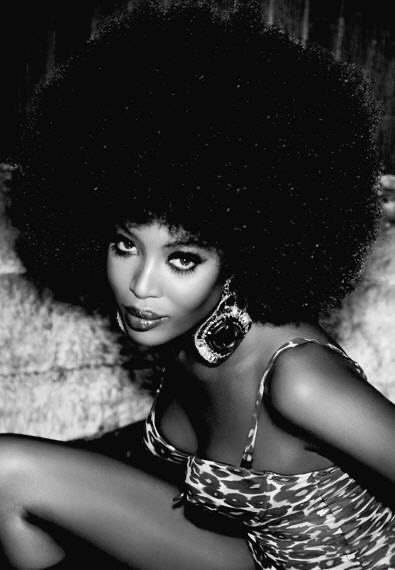
The Return of the Crown
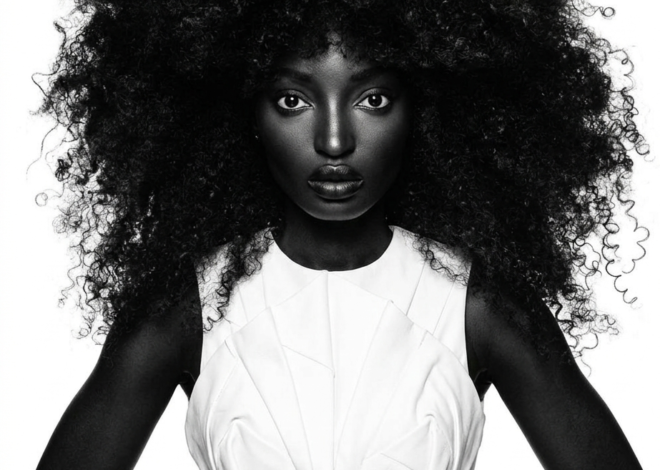
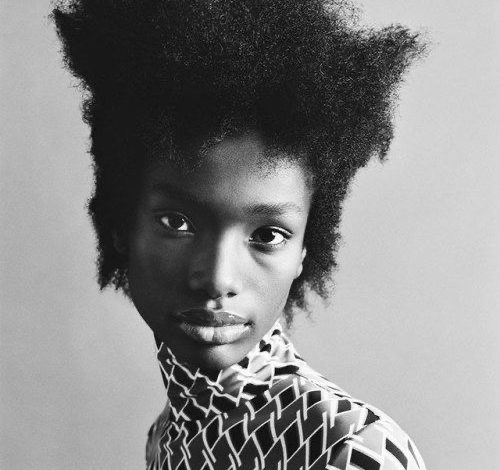
The natural hair movement wasn’t just about ditching chemicals. It was a spiritual, political, and emotional rebirth. Black people began reclaiming the narrative, celebrating coils, curls, and everything in between. From afros to locs, Bantu knots to box braids, twist-outs to frohawks, the hair began to speak again. Loudly. Boldly.
It wasn’t just a trend; it was a revolution. A revolution in identity, confidence, and culture.
Instagram flooded with #BlackGirlMagic. Loc wearers walked red carpets. Editorials featured afros in high fashion. Celebrities, activists, students, and aunties alike stood proud in their texture. And through all of it, the message was clear: We define our beauty. We are the standard.
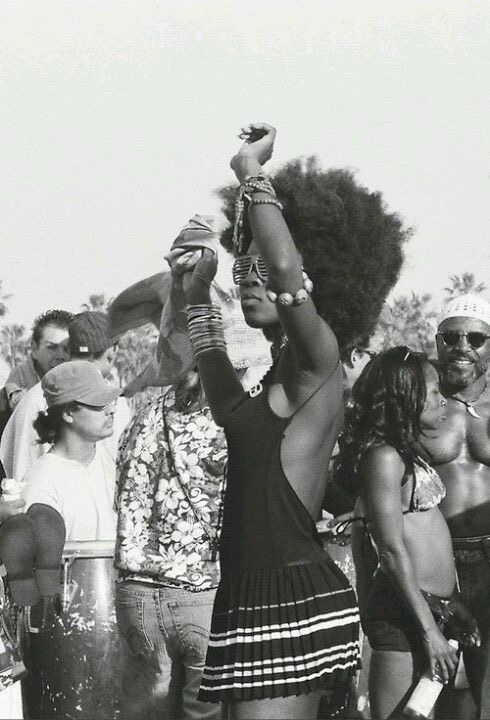
More Than Just Hair
Afro hair can be challenging to maintain. Let’s not pretend it’s all romantic. It takes patience, care, time, and an understanding that every strand has a mood of its own. Detangling can take hours. Wash day is practically a ritual. Products are expensive. Scalp health is real.
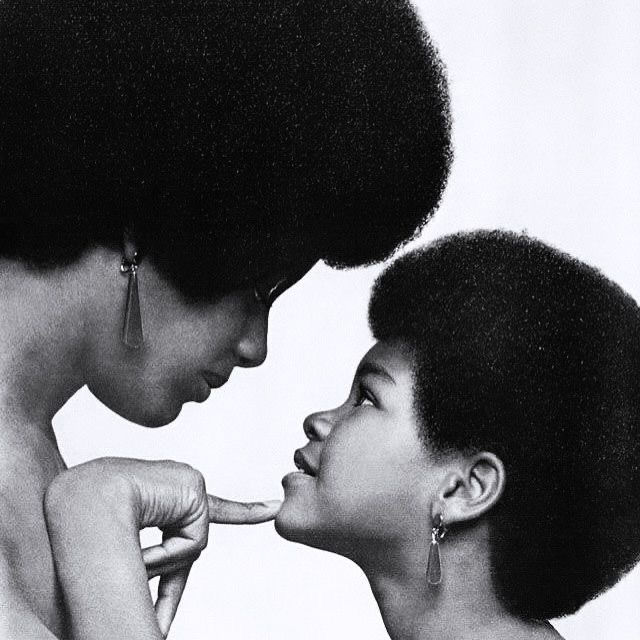
But therein lies the beauty. Afro hair teaches us intimacy. It teaches us how to care for ourselves, how to listen to our bodies, and how to treat ourselves with tenderness. It teaches young girls to see their reflection and feel proud. It teaches young boys that locs or afros or cornrows are not reasons to be policed.
It teaches pride. It teaches presence.
The Politics of Hair
Make no mistake, wearing Afro hair naturally is still a political act. In many parts of the world, it’s still seen as a statement, a rebellion, a disruption. Some schools still suspend children for wearing locs. Some workplaces still frown at afros and braids. Some people still ask to touch it, as if it’s an artifact, not a crown.
But we push back. With every twist, with every edge laid, with every strand proudly worn out, we resist. Because the goal isn’t to just be accepted, it’s to be celebrated. And more importantly, it’s to be left to exist as we are.
Love Letter to the Crown
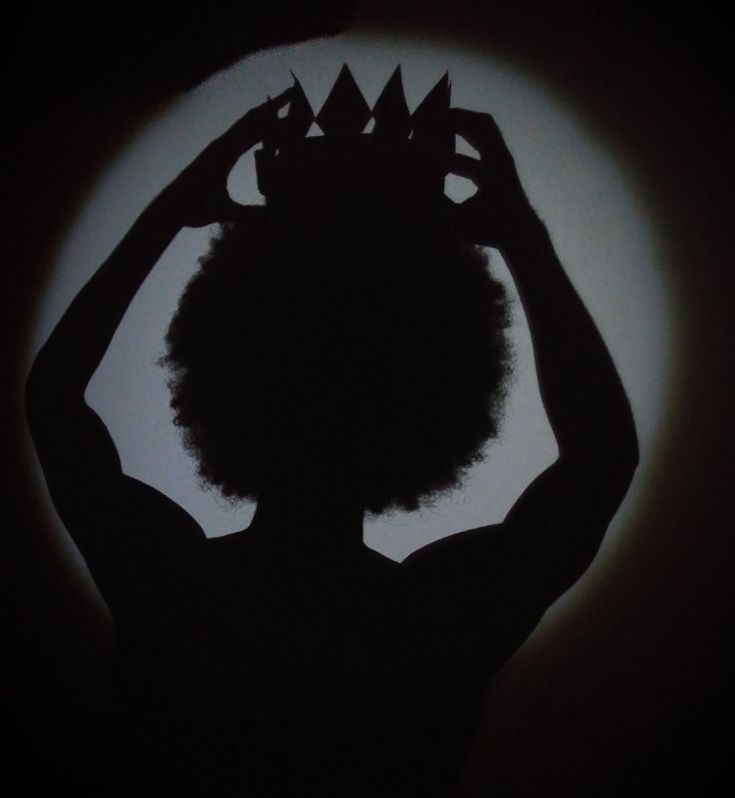
So to the little Black girl sitting in front of a mirror, wondering why her hair won’t “lay down” like the others, know that your hair isn’t meant to lay. It’s meant to rise.
To the grown Black woman debating whether to go natural after years of relaxing, know that freedom may take time, but it’s worth it.
To the boy or girl whose teacher called his hair “distracting,” know that your roots are powerful, and they come from kings and Queens.
To everyone who has ever been made to feel less than because of their crown, wear it louder.
Because Afro hair isn’t just about follicles and styles. It’s about the past. It’s about power. It’s about pride. It’s about you.
And you, Black girl, are the standard. Always have been. Always will be.