What Does It Mean to Be African in 2026?
Walking through the world as an African in 2026 is to carry a profound sense of arrival. The global stage is finally aligned with our rhythm. We hear our music in every major city, we see our designs on the runway, and we witness our ideas shaping the global economy. This moment belongs to us, built on the foundations of generations who came before. Yet, this reality goes deeper than external accolades. To be African today means to hold a dual citizenship of the mind that is rooted in ancestral soil while effortlessly navigating the modern digital landscape.
We find ourselves in a decade where the continent is rewriting the rules of engagement. We are the youngest population on earth, and that youth carries a unique, electric energy. It is an energy that refuses to wait for permission or seek validation from outside centers of power. We are building our own institutions, defining our own aesthetics, and establishing our own metrics of success. The old gaze that once defined us through the lens of scarcity has faded, replaced by a self-determined reality of abundance and innovation.
The Myth of the Monolith
Our identity is a beautiful mosaic, containing fifty-four nations and thousands of distinct languages. We reject any attempt to reduce our complexity to a single, flat narrative. A person in Lagos experiences life with different reference points than someone in Nairobi, Dakar, or Cape Town. Our diversity is our greatest wealth, it is a brilliant array of perspectives that enrich the global conversation. In 2026, we claim this complexity with pride, refusing to simplify our stories for the comfort of outside observers.
To understand the modern African, you must understand the rhythm of our cities. The bustling energy of markets, the sleek design of new technology hubs, and the rich tradition of community gatherings coexist in a beautiful, dynamic balance. We are urban, we are rural, we are traditional, and we are futuristic. These states of being exist together in harmony, forming a rich tapestry of daily life. We speak our native tongues with the same ease that we write code, recognizing that our heritage is a powerful asset rather than a limitation.
This refusal to be categorized extends to our art and literature. Our writers are penning speculative fiction, historical epics, and intimate dramas that capture the full spectrum of human experience. Our filmmakers are utilizing new digital platforms to distribute stories that are very much rooted in local realities yet carry universal resonance. We are telling our own stories, in our own voices, and on our own terms. This narrative sovereignty is a crucial pillar of our modern identity, ensuring that our history is recorded with accuracy and respect.
The Weight and Power of Representation
We carry the weight of representation in everything we do. To succeed is to lift the community along with you. This expectation can feel heavy, yet it remains a source of immense power. We build our businesses, write our literature, and design our clothes with the knowledge that our family and our history watch our progress. Our individual achievements are that of our people, making every victory a shared celebration.
This collective mindset is a defining characteristic of the African experience. It is the philosophy of Ubuntu, the understanding that our humanity is bound up in the humanity of others. In 2026, this philosophy is driving new models of business and social development. We are establishing co-operative enterprises, community-led funding structures, and collaborative tech spaces that prioritize collective growth over individual gain. This approach offers a powerful alternative to the hyper-individualism that dominates much of the modern world, proving that success is sweetest when it is shared.
However, we must also acknowledge the pressures that come with this role. The expectation to be an ambassador for an entire continent can be exhausting. It requires us to constantly navigate the fine line between celebrating our heritage and being defined solely by it. In 2026, we are learning to claim our individuality within the collective. We are giving ourselves permission to fail, to experiment, and to be beautifully imperfect. We recognize that our humanity is complex, and that true representation includes the freedom to be fully ourselves, without the burden of constant perfection.
Sovereignty of Style and Self-Love
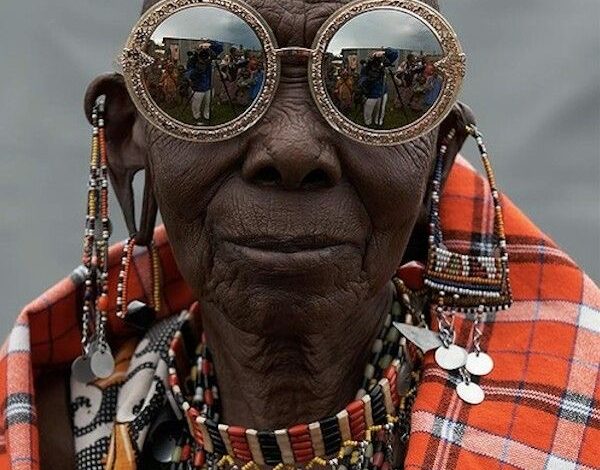
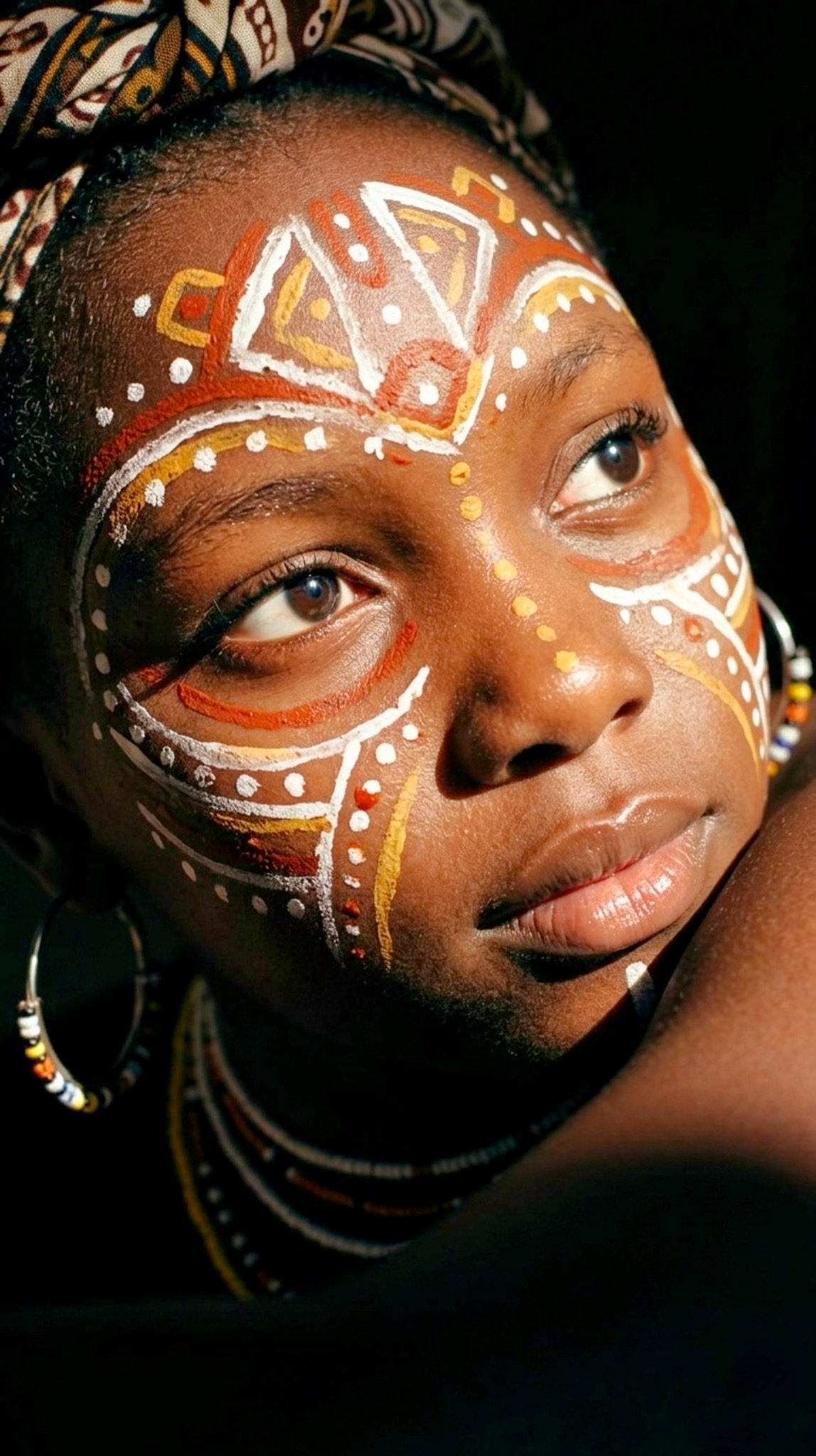
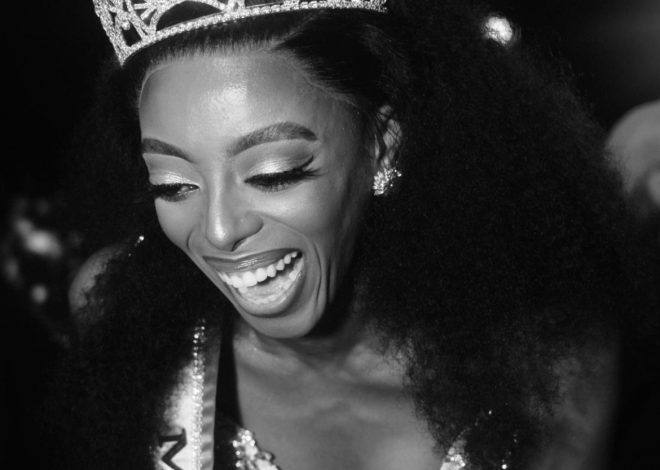
Our style represents our sovereignty. We wear our natural crowns, our vibrant fabrics, and our bold accessories as declarations of self-love. We have reclaimed our history, morphing the memories of the past into fuel for our future. To be African in 2026 is to exist without apology. We define our own beauty, measure our own success, and write our own destiny. The world has learned to listen to our voice, a voice that speaks of resilience, elegance, and unyielding strength.
This reclamation is visible in the global fashion industry, where African designers are redefining luxury. We are seeing the rise of sustainable fashion houses that utilize traditional weaving techniques and locally sourced materials to create beautiful masterpieces. These designers are honoring their ancestors while pushing the boundaries of modern design. They are proving that our traditional textiles, once dismissed by the global elite, are high-fashion assets of immense value. By wearing these creations, we are wrapping ourselves in our history and marching confidently into the future.
Our relationship with our hair has also undergone a profound transformation. The natural hair movement has evolved into a standard of beauty and professional appropriateness. We wear our coils, braids, locks, and fades with pride, seeing them as symbols of our heritage and our creative expression. We have dismantled the outdated standards that forced us to alter our natural state to conform to foreign ideals. This physical liberation is a reflection of a deeper, mental healing, a return to a state of unconditional self-appreciation.
Economic and Digital Autonomy
The modern African identity is closely linked to our economic and digital autonomy. In 2026, the continent is a leader in mobile financial services, agricultural technology, and renewable energy solutions. We have leapfrogged outdated systems to build a digital infrastructure that serves our unique needs. This technological revolution is driven by local developers who understand the challenges and opportunities of our communities.
This innovation is particularly evident in our growing tech hubs, which are attracting global investment while remaining firmly rooted in local talent. We are developing software and platforms that address issues ranging from financial inclusion to food security. This work is definitely not about copying foreign models; it is about creating original solutions that reflect our realities. Our developers are writing code that speaks to the needs of the smallholder farmer in Kenya, the retail merchant in Nigeria, and the student in South Africa. This digital self-determination is securing our place as key architects of the global future.
Furthermore, this economic growth is fostering a new sense of pride and independence. We are investing in our own infrastructure, supporting local industries, and building regional trade networks that reduce our dependence on outside economies. This self-reliance is a key component of our collective strength, ensuring that our wealth remains on the continent to benefit our own people. We are realizing the promise of our vast natural and human resources, turning our potential into tangible, lasting prosperity.
Writing the Future
As we look toward the horizon, the definition of what it means to be African continues to expand. We are a people of deep memory and limitless imagination. We honor the struggles of the past while building a world where our children can thrive without boundaries. The year 2026 is a milestone on a long and brilliant journey, a moment where we stand tall and declare our readiness to lead.
Our journey is far from complete, yet we move forward with the absolute certainty that our path is secure. We are the guardians of a rich heritage, the creators of a vibrant present, and the architects of a glorious future. To be African in 2026 is to live with purpose, to love without fear, and to build a legacy that will inspire generations to come.

Related Posts
Aisha Ayensu: The Architect of African Opulence
Tshego Gaelae: A Historic Reign of Excellence and Advocacy