The Amazing Women Rebuilding Hope After Displacement
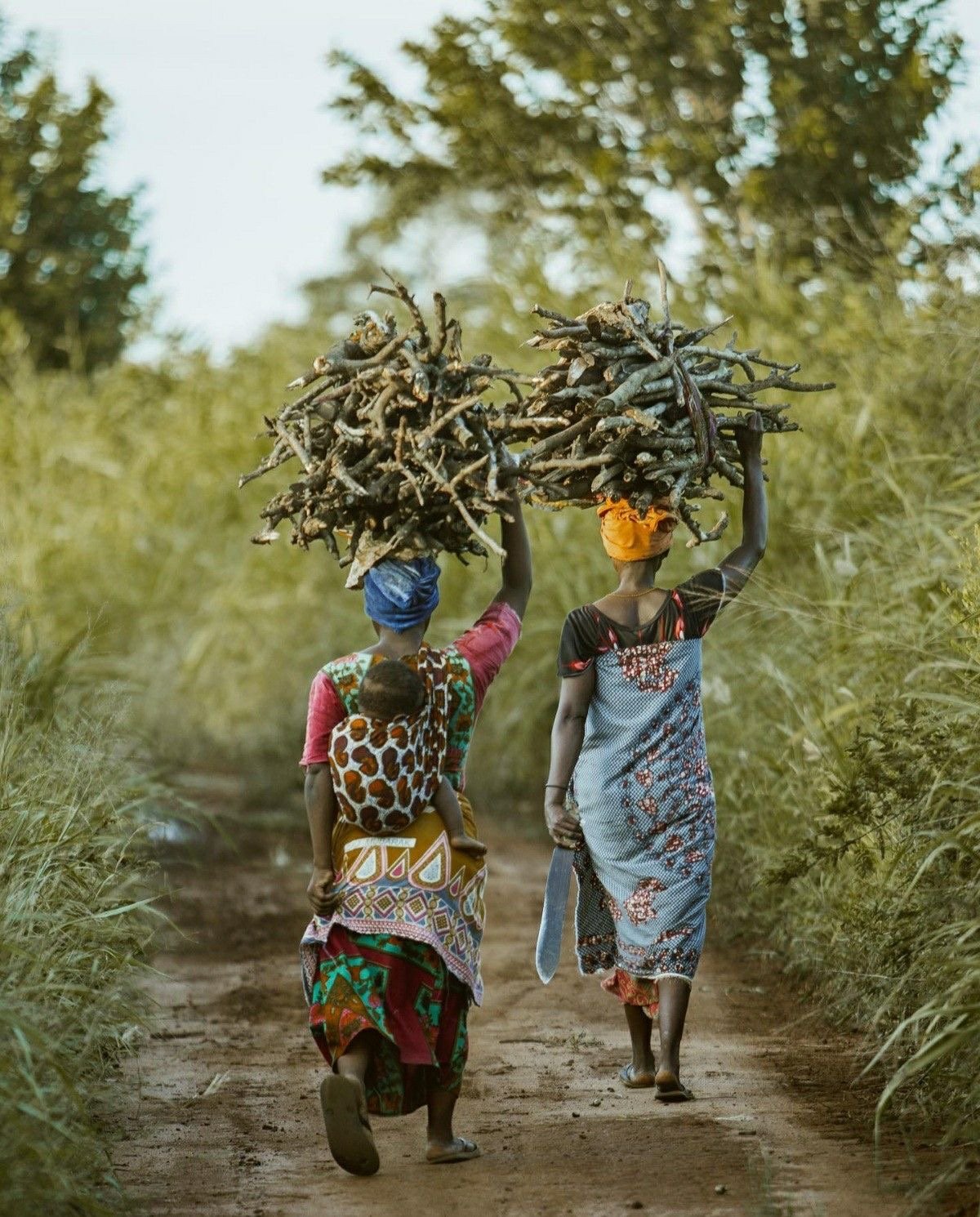
When conflict forces families to abandon their ancestral lands, the global news cycle focuses heavily on the initial waves of destruction. The cameras capture the smoke rising over cities, the chaotic rush toward safety, and the stark uniformity of temporary shelter. Yet, the story remains incomplete. The cameras often depart before the arrival of the most significant narrative: the enduring, daily reconstruction of society led by women. Across the African continent, women stand as the primary architects of recovery, transforming areas of temporary shelter into spaces of renewal, commerce, and peace.
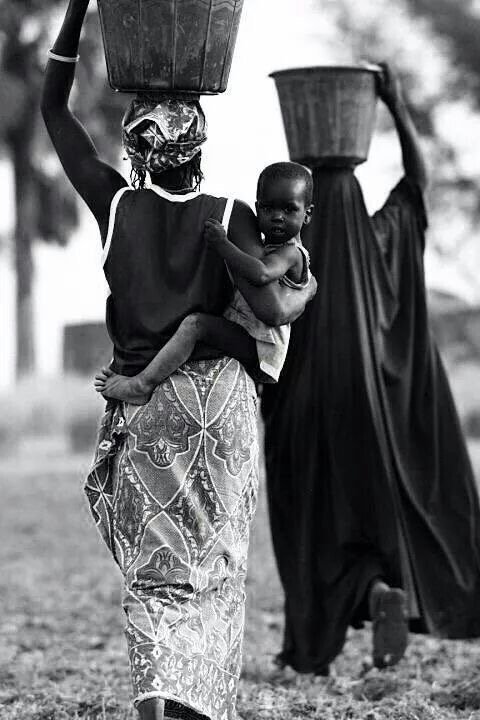
Recent conflicts have displaced millions of individuals. The vast plains of South Sudan, the urban neighborhoods of Khartoum, the lush hills of eastern Congo, and the arid expanses of Somalia have all witnessed immense upheaval. For those displaced, the loss of a home represents the loss of security, history, and livelihood. In the wake of these tragedies, women are taking command of the recovery process. They are establishing community networks, securing food, providing vital healthcare, and advocating for peace.
The Landscape of Upheaval
The scale of displacement across the continent remains a significant humanitarian challenge. In the Democratic Republic of Congo, ongoing clashes have upended the lives of millions, particularly in North Kivu and South Kivu. Families have fled their villages, seeking refuge in overcrowded camps surrounding Goma or within host communities in Lubero. Similarly, the crisis in Sudan has resulted in the largest displacement event of the decade, forcing millions of mothers and children to seek safety in neighboring provinces or cross international borders into Chad and South Sudan.
These crises carry a heavy toll. The disruption of agricultural cycles leads to immediate food shortages, while the collapse of local medical systems leaves families vulnerable to disease. For women, the challenges multiply. They bear the responsibility of protecting their children, finding clean water, and securing basic shelter under hazardous conditions. Yet, their response to these extreme adversities is characterized by extraordinary organization. Instead of waiting for external aid, they utilize their collective wisdom to construct lifelines of survival.
The Grassroots Lifelines of Sudan
In the midst of the ongoing conflict in Sudan, women have emerged as the driving force behind the emergency humanitarian response. When formal services collapsed and international aid groups struggled to access active conflict zones, local youth and women established community-led networks. These networks, known as Emergency Response Rooms, provide a vital template for grassroots survival.
Sudanese women coordinate these efforts with remarkable efficiency. They organize community kitchens in vacant buildings, sourcing grains and vegetables to feed hundreds of families daily. They establish makeshift clinics in neighborhood living rooms, coordinating with remaining medical professionals to distribute scarce pharmaceuticals. Their efforts extend to organizing safe evacuation routes for families trapped by active fighting. This localized response proves that the most effective aid originates from within the community. By taking control of these emergency systems, Sudanese women are preserving the social fabric of their neighborhoods, maintaining a sense of order amidst chaos.
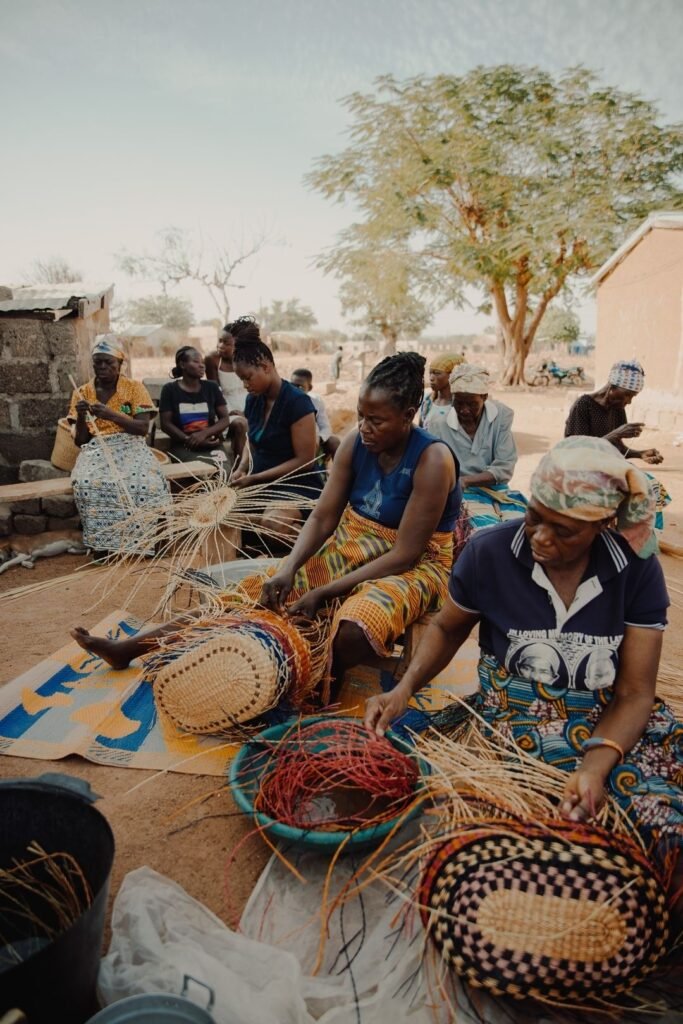
These women operate with limited resources and significant personal risk. Many have faced displacement multiple times, carrying their organizing skills to each new location. Their work moves beyond emergency relief, establishing a foundation for future community recovery. They are demonstrating that women are the central planners and visionaries of their nation’s survival, demanding a leading role in any future reconstruction efforts.
Cultivating Renewal in Eastern Congo
Across the border in eastern Congo, the lush soil provides a different medium for reconstruction. In displacement sites like those surrounding Goma, women are utilizing agricultural collectives to reclaim their economic independence. Having lost their original farms, they collaborate to lease small plots of land from host communities or cultivate communal gardens within the displacement camps.
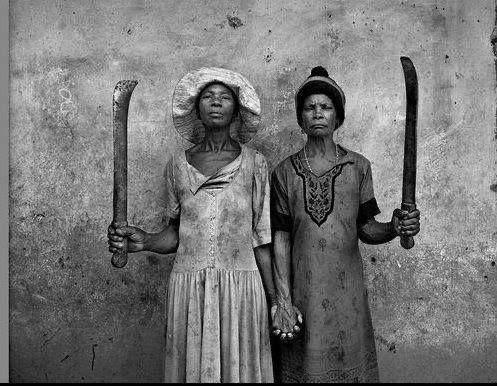
These agricultural efforts provide both physical nourishment and financial security. By growing staple crops like cassava, beans, and maize, the women ensure their families have access to fresh, nutritious food. The surplus harvest is sold in local markets, generating an independent income that allows mothers to pay for school fees and purchase essential household goods. This economic autonomy is crucial, as it reduces vulnerability and restores a sense of dignity that displacement often erodes.
The work of these Congolese collectives is highly collaborative. The women share tools, seeds, and techniques, ensuring that even the newest arrivals in the camps are integrated into the support network. Through these agricultural associations, they also establish informal savings groups, allowing members to borrow small amounts of capital to start micro-businesses. A woman might purchase a sack of flour to bake bread, while another buys fabric to construct apparel. These small ventures accumulate, constructing a vibrant local economy inside the camps that supports the wider community.
The Healing Power of Somalia’s Sisterhood
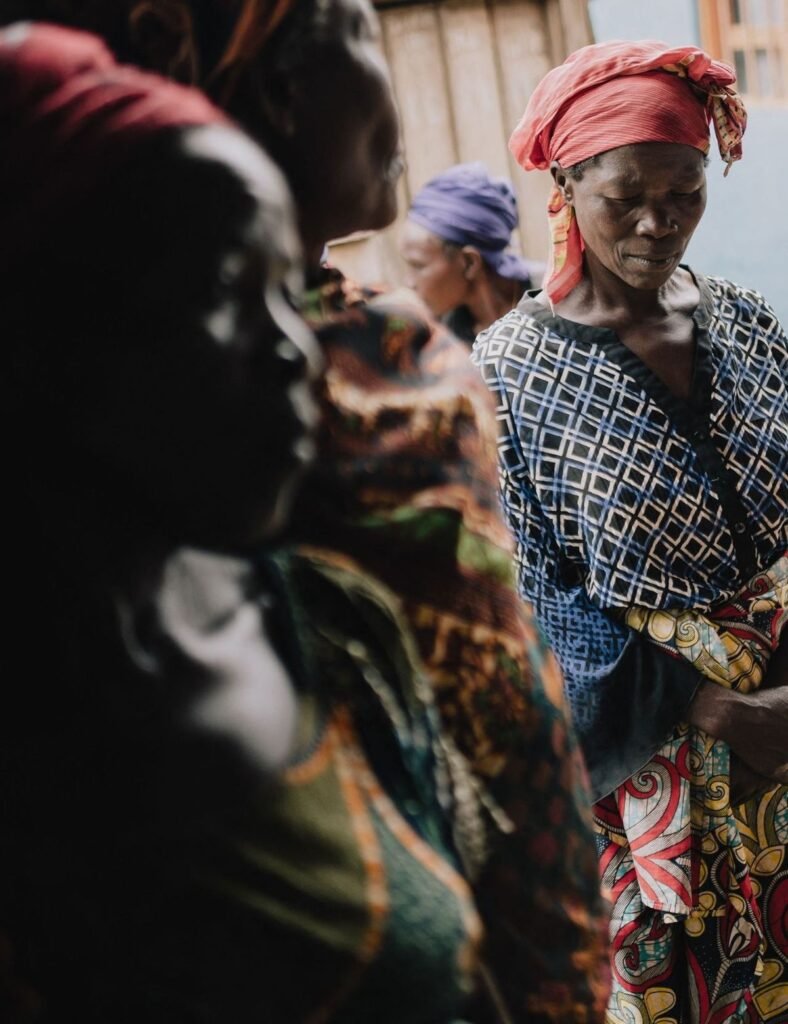
In Somalia, decades of conflict coupled with severe environmental challenges have forced pastoralist communities into urban informal settlements. Here, the challenge of displacement is as much psychological as it is material. The loss of a traditional way of life can lead to isolation and despair. To combat this, Somali women have established powerful support networks dedicated to mental well-being and social cohesion.
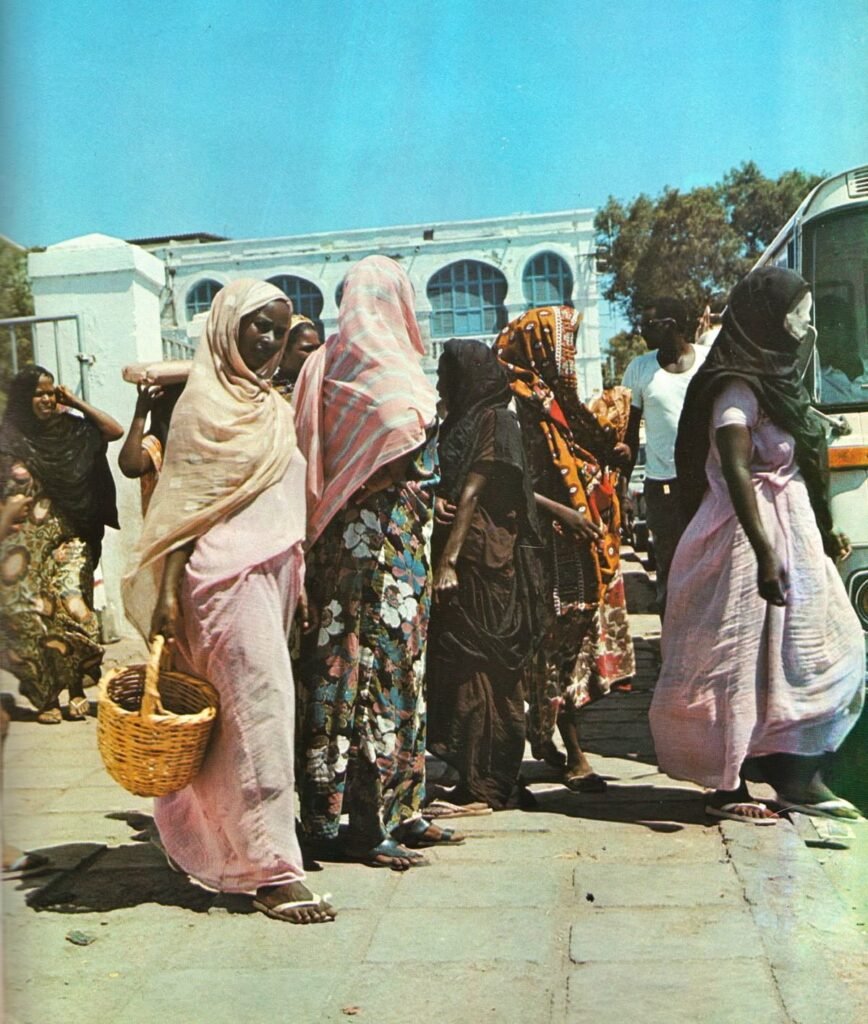
These networks function as safe spaces where women gather to share their stories, process their grief, and find mutual support. Through traditional poetry, song, and collective discussion, they address the trauma of displacement, helping one another heal from the scars of conflict. These gatherings provide a crucial emotional release, helping women rebuild their inner strength so they can continue to care for their families.
Somali women also utilize these networks to mediate local disputes within the crowded settlements. With resources like water and firewood in high supply but low availability, tensions can arise between families. The women leaders step in as peacemakers, using traditional conflict resolution methods to restore harmony. Their interventions prevent small disagreements from escalating into wider community conflict. By maintaining peace at the household and neighborhood levels, they are constructing a stable environment where children can grow and learn in safety.
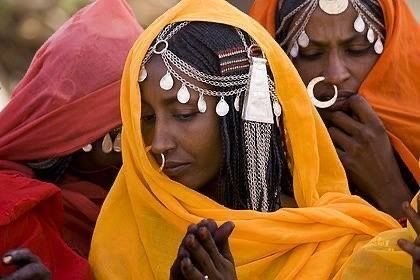
Rebuilding Families in South Sudan
In South Sudan, the struggle to rebuild families is closely tied to the restoration of education and maternal healthcare. When conflict displaces a community, schools are often destroyed or repurposed as temporary shelters, threatening the future of an entire generation. South Sudanese women refuse to let their children’s education become a casualty of war.
In various displacement sites, women have established temporary outdoor classrooms, volunteering as teachers to ensure children continue their lessons. They utilize basic materials, writing in the dirt or using small chalkboards under the shade of acacia trees. This dedication to education provides children with a vital sense of routine and normalcy, protecting their minds from the stresses of their surroundings.
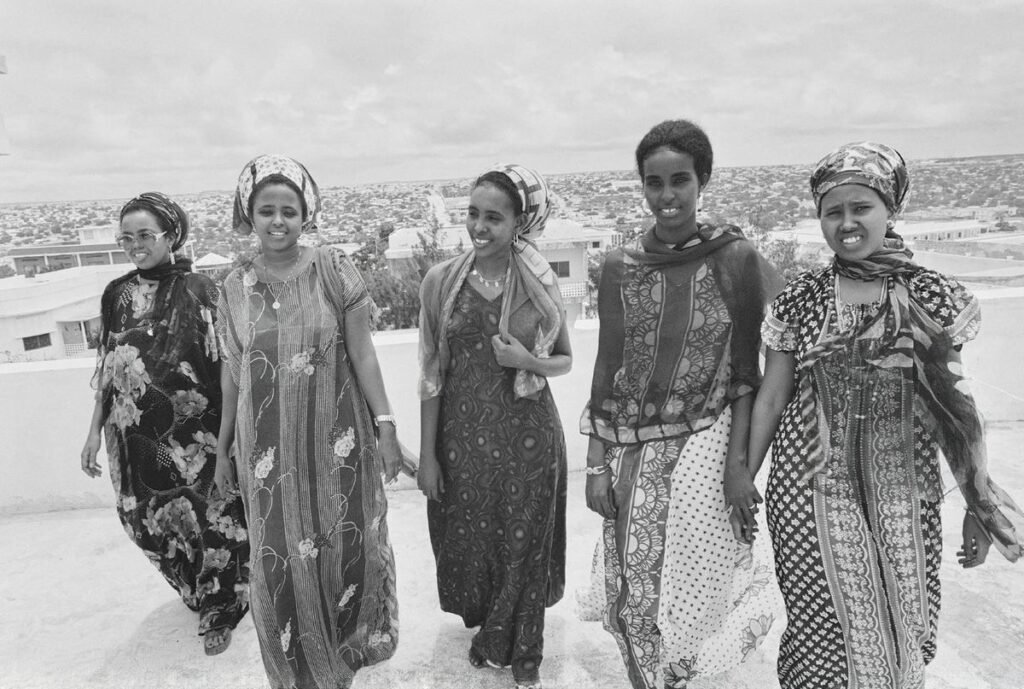
Alongside education, South Sudanese women prioritize maternal health. Displaced midwives coordinate to establish clean, safe spaces for childbirth within the camps, sharing their knowledge to support expectant mothers. These midwives travel long distances to assist women, providing prenatal care and delivering infants under challenging circumstances. Their efforts keep maternal mortality rates lower than expected during crises, ensuring that new life enters the world with dignity and care.
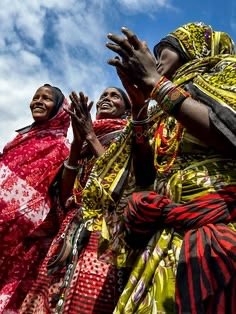
The Path to Sovereign Peace
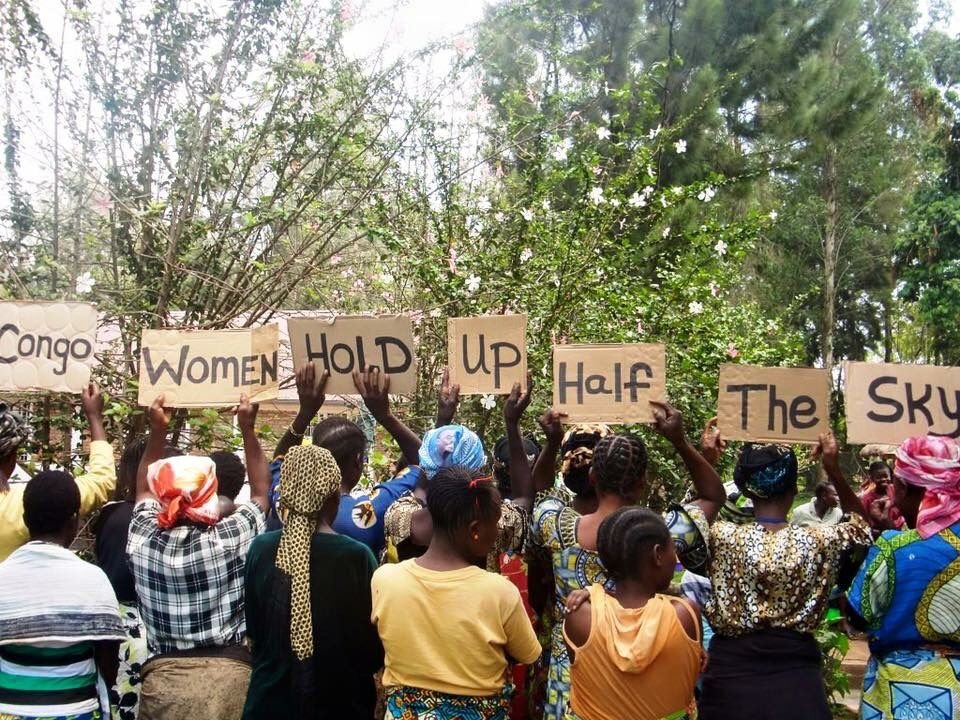
The efforts of women across South Sudan, Sudan, eastern Congo, and Somalia show that women are the primary builders of peace and stability. Yet, despite their vital contributions on the ground, women remain largely excluded from formal peace negotiations and governance processes. International peace conferences often feature military and political leaders, while the women who maintain the communities are relegated to the margins.
This exclusion represents a significant barrier to lasting peace. The women working on the frontlines of the humanitarian response possess a clear understanding of the root causes of conflict and the practical requirements of recovery. Their insights are essential for constructing agreements that address the real needs of the population. True stability requires that women occupy prominent seats at the negotiating table, functioning as key architects of the agreements that will shape their countries’ futures.
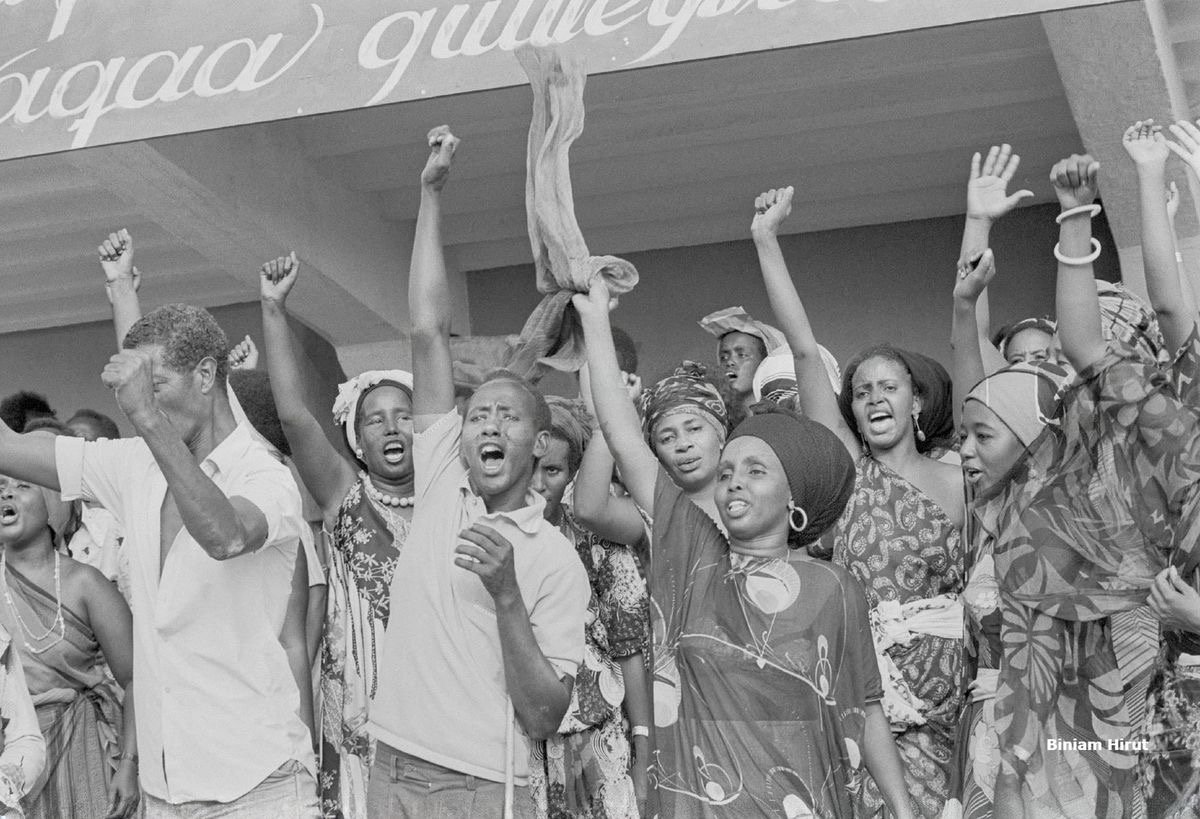
Across the continent, women leaders are demanding this representation. They are organizing dialogues, forming coalitions, and utilizing digital platforms to amplify their voices. They are declaring that their contribution to survival entitles them to a share in decision-making power. Their advocacy is reshaping the conversation around peace and security, proving that lasting stability is impossible without the equal participation of women.
A Future Built on Fortitude
The story of displacement in Africa is a narrative of immense challenge, but it is also a narrative of unmatched determination. The women leading these recovery efforts are redefining what it means to be a survivor. They are showing that even when everything is lost, the human spirit remains capable of building something beautiful.
Their work is a testament to the power of community and the beauty of shared effort. By organizing kitchens, cultivating fields, healing minds, and teaching children, they are laying the groundwork for a prosperous future. They are proving that the true wealth of the continent resides in the resilience of its people. As we look toward the future, we must recognize these women as the true leaders of African recovery, supporting their vision and celebrating their triumphs under the sun.