Her Name Wasn’t on the News
She was only 14, but the world moved on like she didn’t exist.
It started like any other Tuesday.
Zawadi tied her school sweater around her waist, the morning sun already beating hard against her back as she walked the five kilometers to school. Her feet were sore from wearing the same sandals every day, but she liked Tuesdays — Literature class. She liked how words felt safe. Like somewhere in that old, dusty classroom, there was a space just for her.
But on this Tuesday, the world turned quiet. Not soft, quiet.
He was waiting by the abandoned kiosk. Someone she had seen before. He wasn’t a stranger, but he didn’t feel like family either. She hesitated. Maybe it was the way he looked at her. Maybe it was nothing.
No one heard her cry in the tall grass.
No one saw the blood.
No one came.
By the time she got home, she could barely speak. And when she tried to, the questions came like stones.
“What were you doing there?”
“Why didn’t you scream louder?”
“Are you sure you’re telling the whole story?”
Her body had already been taken. Now they were after her voice.
The Truth We Don’t Tell
In sub-Saharan Africa, reporting rates for rape and sexual assault remain staggeringly low, as little as 5 to 10% of cases are ever reported. But make no mistake: the violence is happening. Every. Single. Day.
Globally, 1 in 3 women has experienced physical or sexual violence. But behind those numbers are girls like Zawadi. Girls whose names we don’t say. Girls who disappear into silence.
She was not the first. She will not be the last.
But does that mean we stop listening?
Shame Is Not Hers to Carry
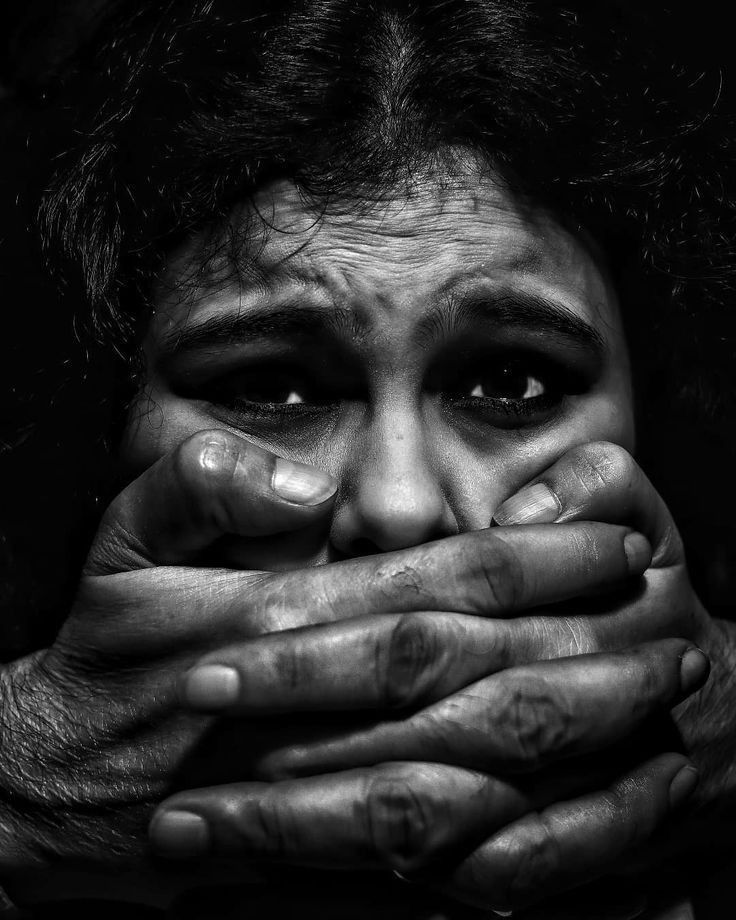
What Zawadi experienced wasn’t her fault. It never was.
But the society that raised her, the schools that don’t teach consent, the courts that laugh rape cases out of existence, the families that blame girls for being victims, that society made it hers to carry. And it’s heavy.
In many communities, rape survivors are forced to marry their rapists, leave school, or live in isolation. Medical care is a luxury. Mental health support is non-existent. And justice? A faraway dream for most.
We Need to Say Her Name
Zawadi’s story isn’t unique, and that is the tragedy.
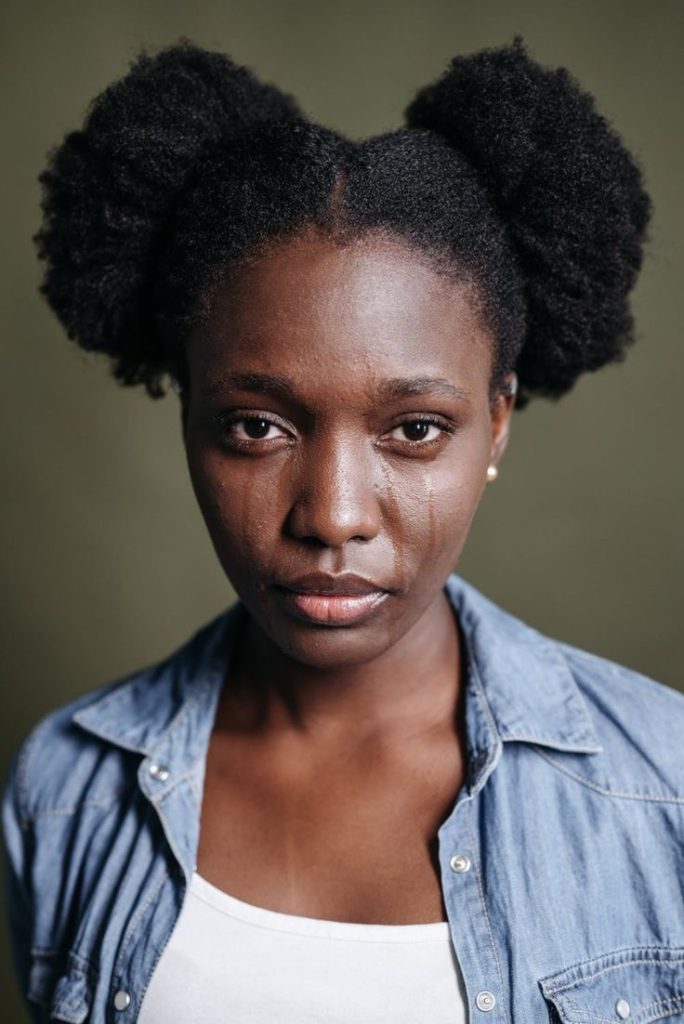
She doesn’t need pity. She needs a world that sees her. That believes her. That protects her. She needs more than hashtags. She needs you to speak up at dinner tables, classrooms, churches, and every space where silence thrives.
Because until we make this epidemic impossible to ignore, it will continue to grow in the shadows.
She wasn’t on the news.
But she should’ve been.
Her name mattered.
Her voice mattered.
Her life mattered.
Let’s stop turning the page. Let’s start rewriting the story.