Leading the Way: Five African Women Shaping a Brighter Future
Harnessing the Power of Her Voice: African Women Champions for Change
Africa is a continent brimming with talent and resilience. At the forefront of this progress are women who are making their mark in various fields, from politics to culinary arts to public health. This article explores the stories of three such women: Phumzile Mlambo-Ngcuka, a champion for gender equality, Penda Ithaa, a culinary innovator, and Dr. Margaret Kenyatta, a tireless advocate for maternal health.
Phumzile Mlambo-Ngcuka: Breaking Barriers for Women’s Rights
Hailing from South Africa, Phumzile Mlambo-Ngcuka is a trailblazer who has shattered glass ceilings throughout her career. A dedicated advocate for gender equality, she has used her platform to empower women not only in her home country but across the globe.
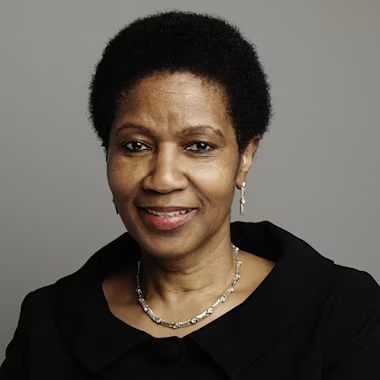
Mlambo-Ngcuka’s political journey began during the fight against apartheid. She served in various ministerial positions within the newly formed democratic government, culminating in her historic appointment as Deputy President of South Africa from 2008 to 2012. This made her the first woman to hold this position, a testament to her leadership skills and unwavering commitment to social justice.
Following her tenure as Deputy President, Mlambo-Ngcuka continued to make strides on the international stage. In 2013, she became the first woman to head UN Women, a United Nations entity dedicated to promoting gender equality and the empowerment of women. During her tenure, she spearheaded initiatives to address critical issues like violence against women, economic empowerment, and women’s participation in peacebuilding efforts.
Mlambo-Ngcuka’s unwavering dedication to gender equality continues to inspire women and girls around the world. She exemplifies the power of education and perseverance in breaking down barriers and creating a more equitable future for all.
Penda Ithaa: Redefining Mauritanian Cuisine
In the heart of Mauritania, amidst the vast expanse of the Sahara Desert, a culinary revolution is brewing. Penda Ithaa, a self-taught chef, is defying societal norms and putting Mauritanian cuisine on the global map.
Traditionally, in Mauritanian society, cooking has been viewed as a woman’s domain, but rarely a profession. Ithaa, however, dared to dream bigger. Driven by a passion for her heritage and a desire to showcase the unique flavors of her homeland, she embarked on a culinary journey that would rewrite the narrative.
With no formal training, Ithaa honed her skills by experimenting in her own kitchen. She drew inspiration from traditional recipes passed down through generations, incorporating fresh, local ingredients like fish, lamb, and dates. Ithaa’s culinary creations combined these time-tested flavors with a modern twist, resulting in a unique and captivating fusion cuisine.
In 2004, Ithaa defied all odds by opening Nouakchott’s first high-end restaurant, “Chez Penda.” Initially met with skepticism, the restaurant quickly gained a loyal following, attracting both local and international clientele. Ithaa’s culinary artistry not only tantalized taste buds but also challenged societal perceptions. She became a role model for young Mauritanian women, encouraging them to pursue their passions regardless of tradition.
Ithaa’s success extends beyond the walls of her restaurant. She has become a global ambassador for Mauritanian cuisine, participating in international food festivals and promoting her culinary heritage on a worldwide stage. Her story exemplifies the power of following one’s dreams and the transformative impact a single individual can have on a nation’s cultural identity.
Dr. Margaret Kenyatta: Championing Maternal Health
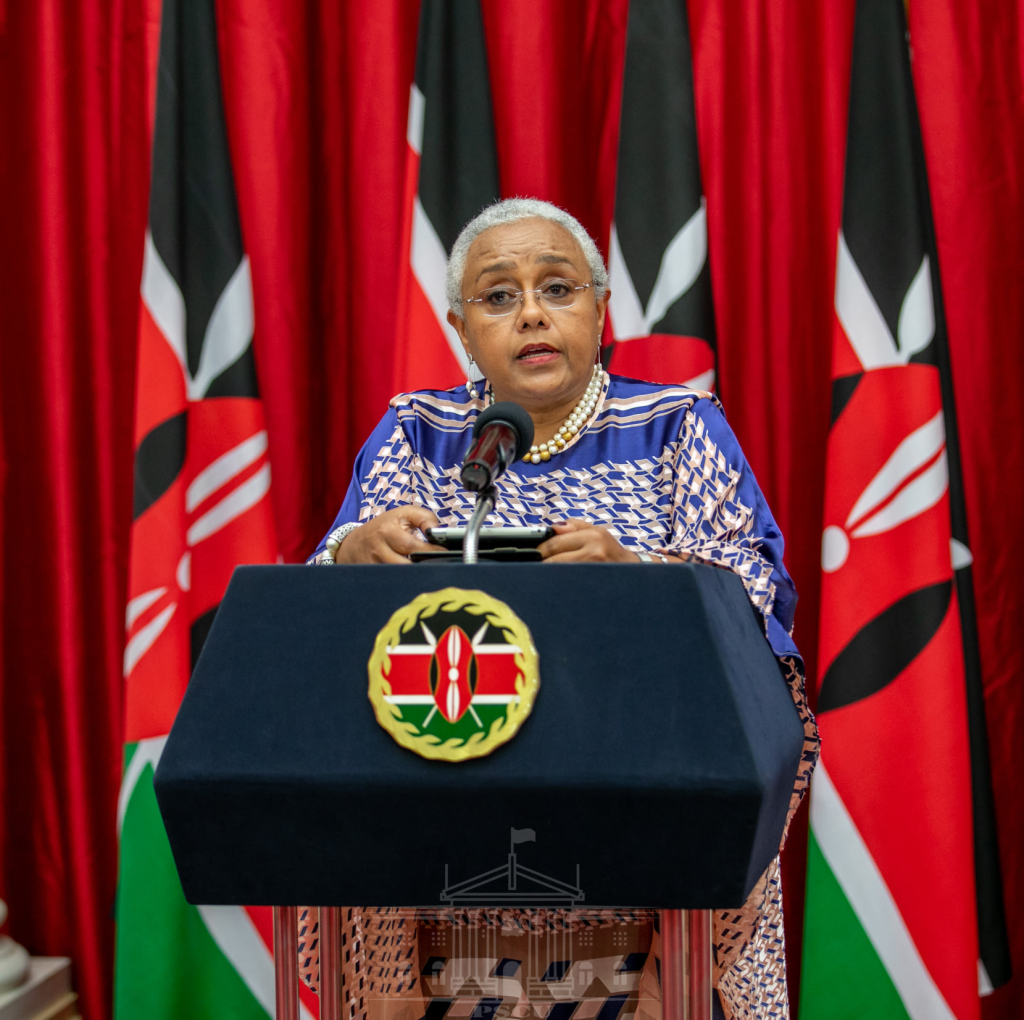
Dr. Margaret Kenyatta, the First Lady of Kenya, is a leading voice in the fight for improved maternal health and early childhood development. Through her unwavering advocacy and commitment, she is making a significant difference in the lives of countless women and children across Kenya.
A trained psychologist, Dr. Kenyatta leveraged her expertise to focus on mental health issues facing women, particularly those surrounding childbirth. However, her vision extended beyond individual well-being. Recognizing the critical need for improved maternal healthcare infrastructure and access to quality services, Dr. Kenyatta founded the “Beyond Zero” campaign in 2014.
Beyond Zero aims to reduce maternal and child mortality rates in Kenya by focusing on five key pillars: ending mother-to-child transmission of HIV, preventing unnecessary maternal deaths, ensuring skilled care during delivery, empowering adolescent girls, and supporting healthy nutrition for children.
The campaign has made significant strides through targeted interventions and partnerships with healthcare organizations. Beyond Zero has facilitated the construction of maternity wards in underserved communities, increased access to skilled healthcare providers, and promoted educational initiatives focusing on reproductive health and family planning.
Dr. Kenyatta’s tireless work has not gone unnoticed. Beyond Zero has garnered
Across the vast and vibrant tapestry of Africa, women have long been the backbone of their communities. But they are not merely caretakers; they are powerful agents of social change, raising their voices to advocate for human rights, environmental protection, and lasting peace. This article delves into the stories of three extraordinary African women who, through unwavering dedication and unwavering courage, are leaving an indelible mark on their nations and the world.
Leymah Gbowee: Silencing Guns with the Power of Song
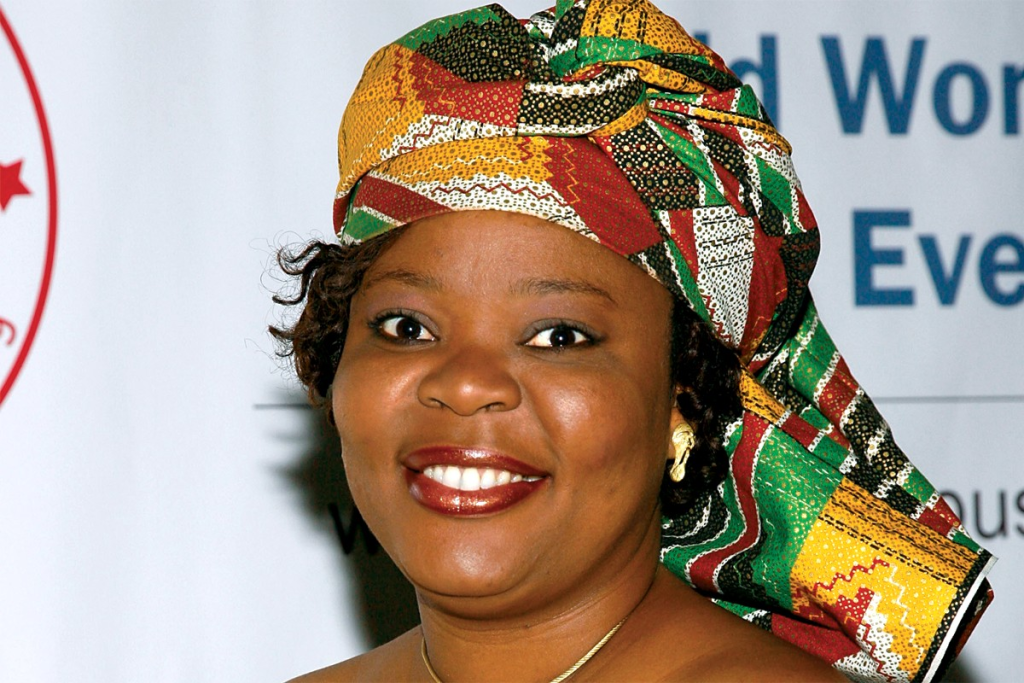
In a world often dominated by the cacophony of violence, the melody of peace can sometimes be the most powerful weapon. Leymah Gbowee, a Liberian social worker and peace activist, embodies this idea perfectly. Liberia, a nation ravaged by a brutal civil war that spanned over two decades, became the stage for Leymah’s extraordinary act of courage. The war, fueled by ethnic and political rivalries, had left a trail of devastation, with women and children bearing the brunt of the suffering.
In 1999, driven by a deep sense of despair and a burning desire to protect her children, Leymah mobilized a seemingly unlikely force – the women of Liberia. She rallied market women, housewives, and mothers who had lost loved ones in the conflict. Together, they formed the Women of Liberia Mass Action Group (WOMAC).
WOMAC’s strategy was unconventional but potent. They refused to engage in violence, instead adopting peaceful tactics like marches, sit-ins, and a powerful weapon – a sex strike. They declared, “We will not bear more children who will be killed in this war!” Their unwavering commitment and creative resistance tactics disrupted the status quo, drawing international attention to the plight of Liberian women and the senseless war.
Leymah, along with other Liberian peace activists, tirelessly engaged with warring factions, leading peace talks and demanding accountability for war crimes. Through sheer determination and unwavering courage, they forced the warlords to the negotiating table. In 2003, a peace agreement was finally signed, marking a turning point in Liberia’s history.
Leymah’s leadership and the power of WOMAC’s movement were recognized with the 2011 Nobel Peace Prize, shared with Liberian President Ellen Johnson Sirleaf and Yemeni activist Tawakkol Karman. Leymah became the first Liberian and the third woman in history to receive the prestigious award. Her story is a testament to the transformative power of nonviolent resistance and the crucial role women play in building peace and fostering reconciliation in war-torn societies.
Winnie Byanyima: A Tireless Advocate for Global Health Equity
The fight for global health equity finds a powerful voice in Winnie Byanyima, a Ugandan human rights activist and a relentless advocate for access to healthcare for all. Born into a politically active family, Winnie became aware of social injustice at a young age. This awareness fueled her