The Secret to a More Luxurious Home Isn’t What You Think
We often associate luxurious home design with a heavy price tag. We imagine gilded mirrors, imported marble, and famous designer furniture. We assume that achieving an elevated aesthetic requires a massive financial investment. However, true opulence remains a feeling rather than a transaction. It lives in the atmosphere of a room, the way the air moves, and the sense of ease that greets you at the door. When a house feels like a sanctuary, it possesses a wealth that money alone is unable to buy.
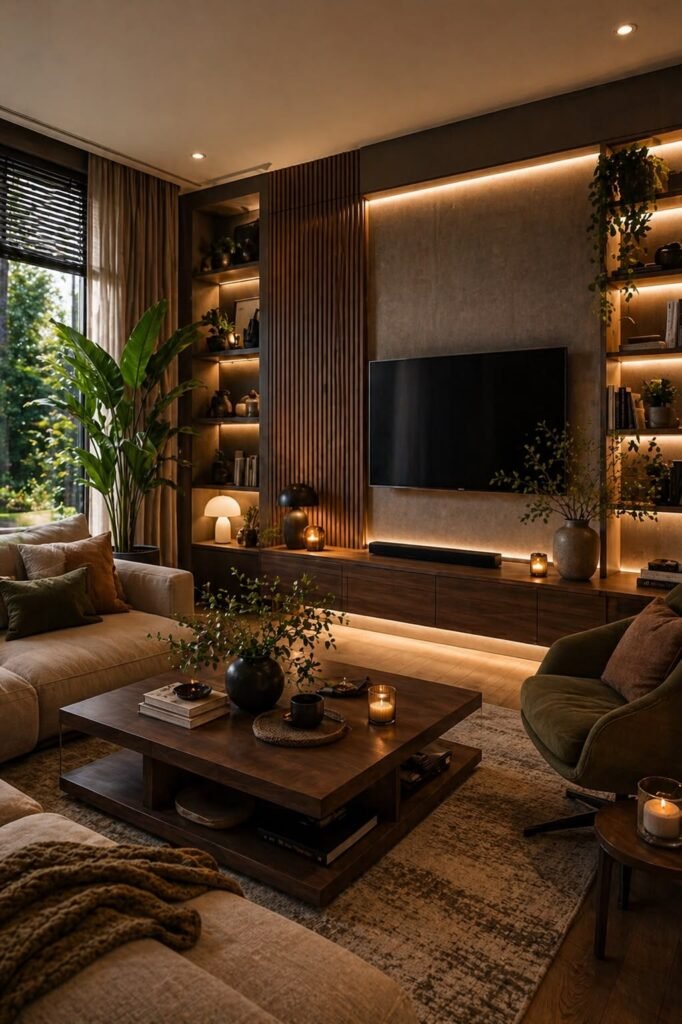
To walk into a truly luxurious home is to experience an immediate shift in your nervous system. You feel a sense of calm, a sudden release of the day’s tension, and a welcoming warmth that envelops you. This experience has little to do with the cost of the sofa or the brand of the light fixtures. Many expensive spaces feel cold, sterile, and performative, resembling furniture showrooms rather than places of life and comfort. True luxury is an atmosphere, a sensory alignment that honors the human spirit. It is the art of curating a space that supports your well-being, celebrates your personal history, and offers a beautiful retreat from the noisy external world.
The Core Principles of Luxurious Home Design
True elegance requires breathing room. Many homes feel cluttered because we collect items without intention. We fill every corner, thinking that fullness equals wealth. In reality, abundance requires open space. Leaving a wall bare or a surface clear allows the remaining pieces to stand out with authority. A singular, well-crafted vase on a wooden table holds more weight than a dozen small ornaments gathered together. By clearing the excess, you give your home space to breathe.
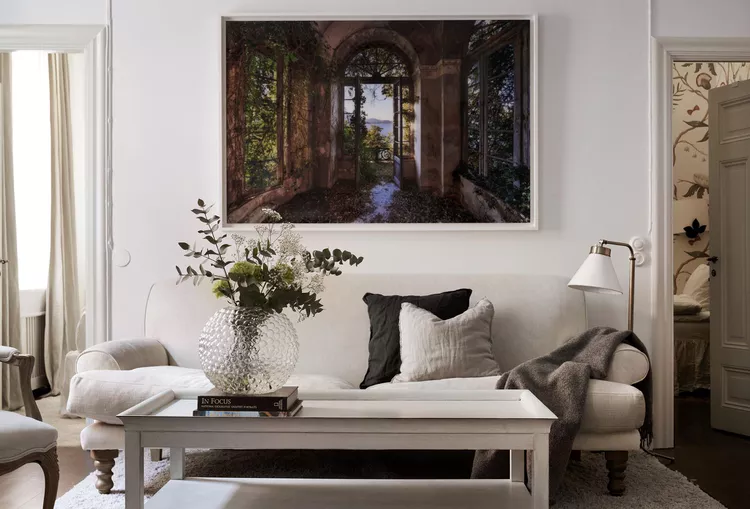
Consider the power of empty space. In classical design, the areas left unoccupied are as important as the objects themselves. This concept of negative space allows the eye to rest and appreciate the beauty of each individual piece. When every shelf is packed with decor and every corner holds a piece of furniture, the mind feels overwhelmed. The brain constantly processes this visual noise, leading to subconscious stress. Subtracting the unnecessary items allows your favorite pieces to reclaim their beauty. A beautiful wooden chest, a single striking painting, or a sculptural chair gains a royal presence when surrounded by open air. This editing process is a declaration of confidence. It shows that you trust the quality of your remaining pieces, refusing to hide behind a barrier of excess possessions.
The Sensory Language of Touch
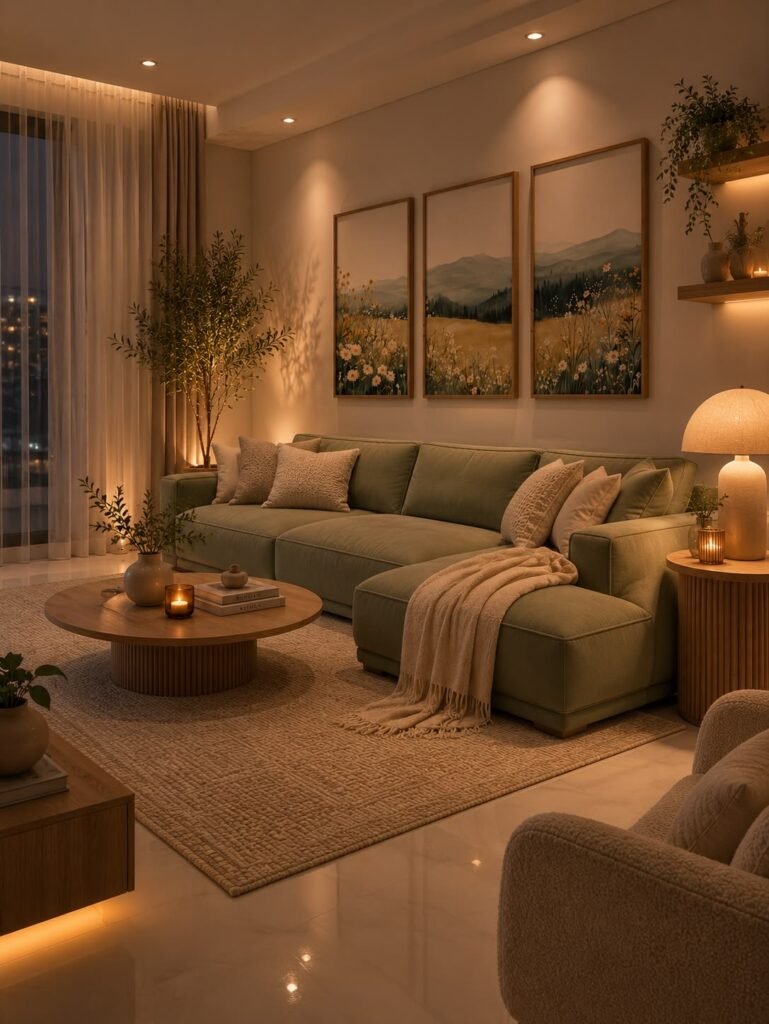
Our skin registers luxury long before our eyes do. Consider the materials that fill your living space. Heavy linen, organic cotton, and rich velvet offer an immediate sense of comfort. Synthetic fabrics often feel cold and artificial. By choosing natural materials, you introduce a tactile quality that elevates the daily experience of your home. A beautifully draped throw on a sofa or a thick wool rug underfoot provides a feeling of warmth and stability. These textures invite touch, making the space feel grounded and inviting.
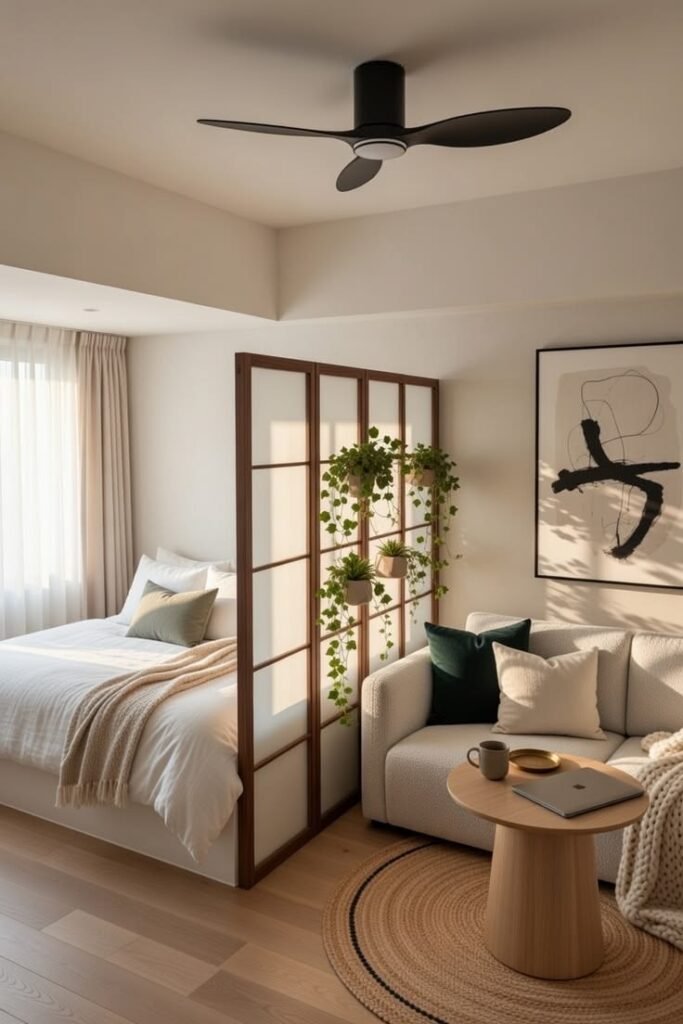
The textures we surround ourselves with have an immense influence on our physical state. Imagine stepping onto a cold, synthetic carpet compared to walking across a smooth, wide-plank oak floor or a thick, hand-woven wool rug. The natural options ground us, connecting us to the earth through touch. When selecting fabrics for your sofas, chairs, and bedding, prioritize materials that age with grace. Linen becomes softer and more beautiful with every wash. Leather develops a rich patina that tells the story of its use. Raw wood, unpolished stone, and hand-beaded ceramics possess minor imperfections that celebrate human craftsmanship. These tactile details add layers of warmth and luxury to your home, making every interaction with your space a source of physical pleasure.
The Choreography of Light
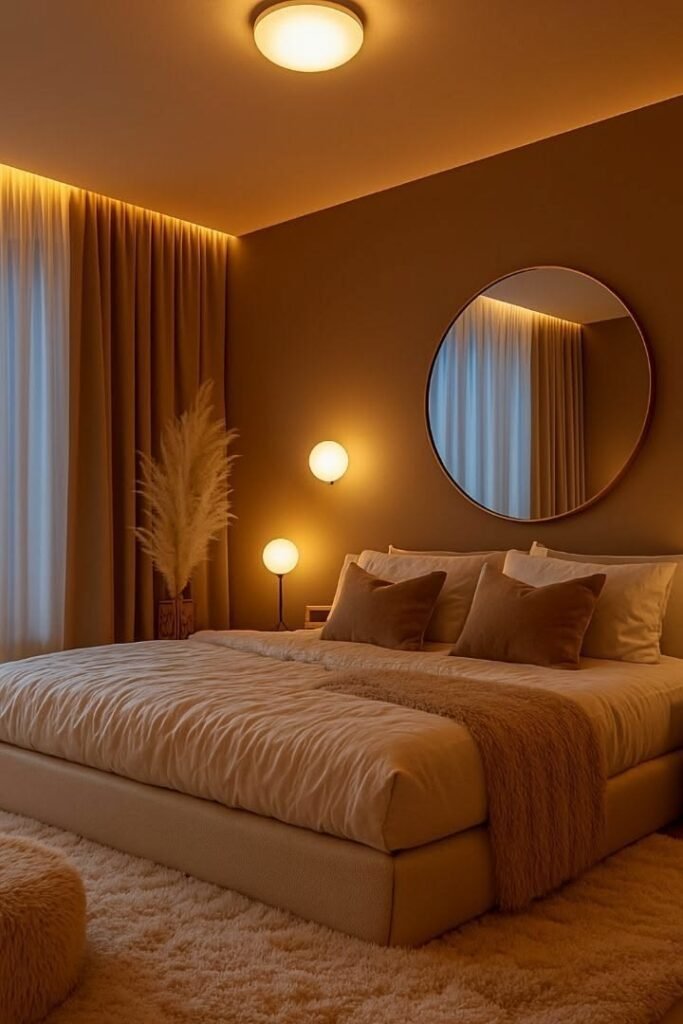
Light determines the mood of any environment. Bright, harsh overhead lighting can make a beautifully furnished room feel cold and sterile. Balanced homes utilize layers of light to build a welcoming atmosphere. Position lamps at different heights to scatter a warm glow throughout the room. During the day, allow natural light to flood the space, utilizing sheer curtains to soften the glare. As evening approaches, transition to low-level lighting, using candles or dimmers to ease the mind into relaxation. This mindful approach to light helps define different times of day, matching the natural rhythms of life.
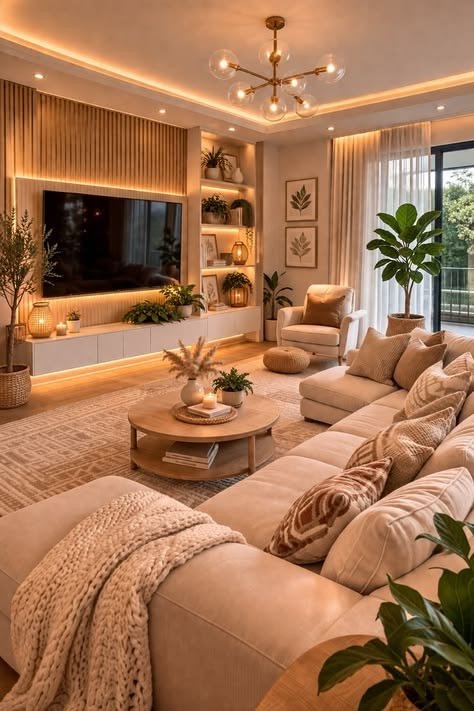
The transition between daylight and evening light is a critical moment for our well-being. Many modern homes rely on recessed ceiling lights that wash the entire space in a uniform, clinical glow. This style of lighting mimics office environments, keeping the brain in a state of high alert. To cultivate a luxurious sanctuary, turn off the overhead fixtures and rely on localized sources of illumination. A beautiful table lamp in a dark corner, a sleek floor lamp beside a reading chair, and a few strategically placed candles on a mantelpiece build a landscape of soft shadows and warm highlights. This variation in light and shadow produces a sense of intimacy and security. It draws people together, encouraging slow conversations and serene relaxation. By controlling the quality of light, you transform your home into a cocoon of comfort as the sun sets.
The Presence of the Living
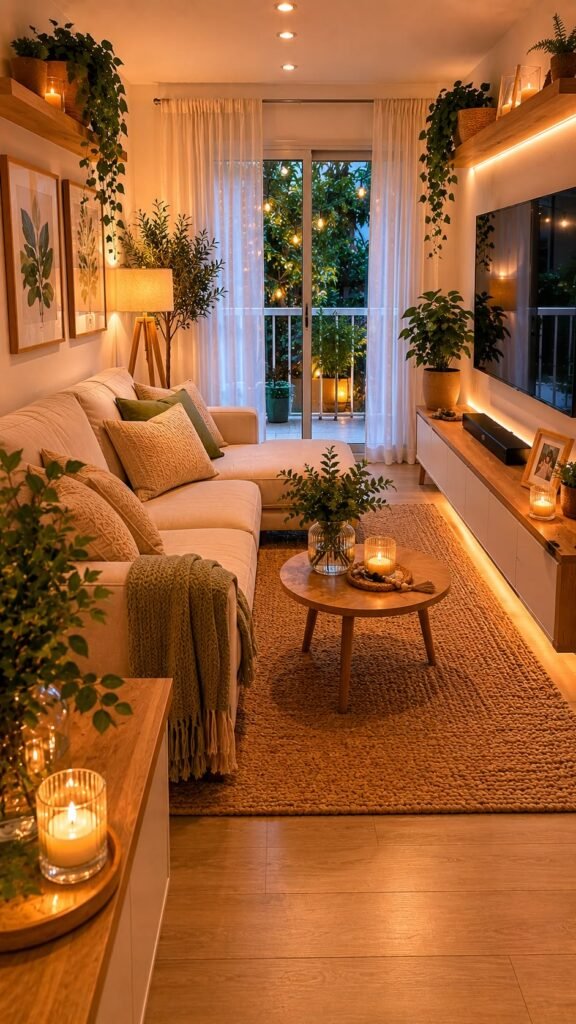
A home requires a connection to the natural world to feel complete. A single leafy branch in a glass jar or a bowl of fresh fruit on the counter brings a sense of vitality that money is unable to purchase. These natural elements introduce change and growth into a static room. They remind us of the passing of seasons, grounding the indoor space in the wider world. Choose plants with interesting shapes, allowing their natural contours to decorate the room with organic elegance.
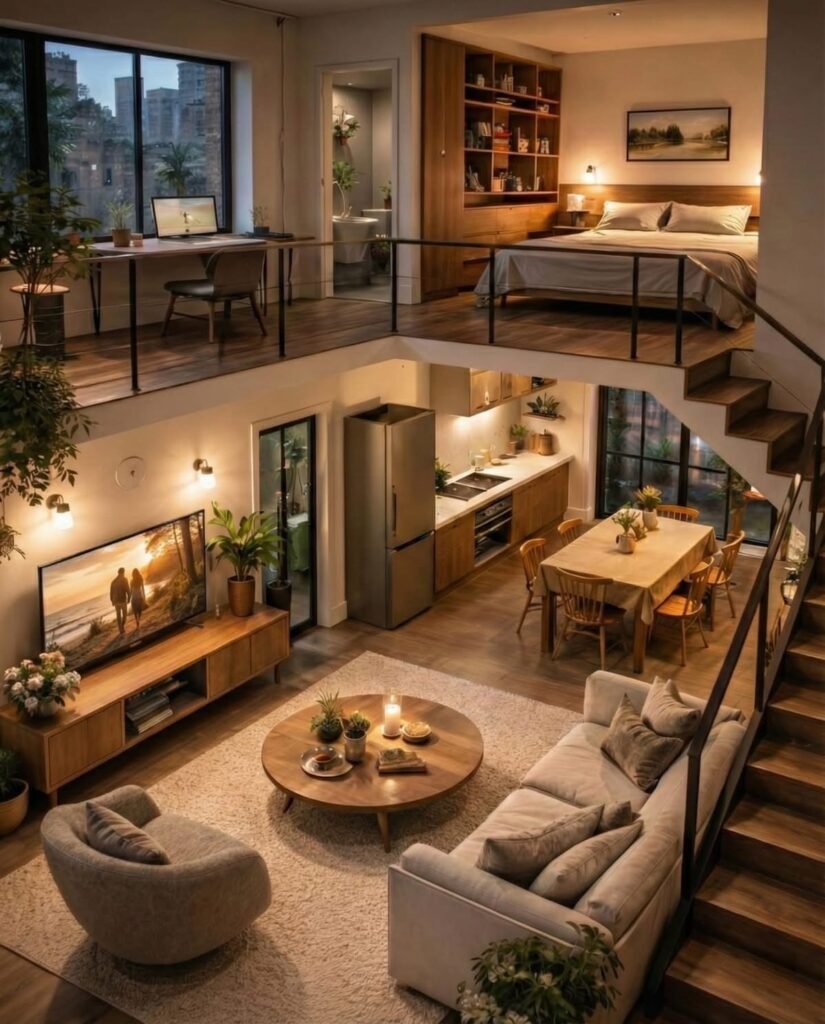
Integrating nature into your living spaces goes far beyond placing artificial plants on a shelf. Genuine organic elements possess a life force that alters the energy of a room. Consider the elegance of a tall, structural olive branch arranged in a rustic stoneware vessel. Its delicate leaves catch the afternoon sun, casting moving shadows on the wall. Or think of the beauty of a simple wooden bowl filled with seasonal citrus fruits on a kitchen island. These details require minimal effort yet deliver an immense visual return. They bring color, texture, and movement into the home, celebrating the abundant beauty of the natural world. This constant presence of life makes a space feel fresh, dynamic, and connected to the rhythms of the earth.
The Narrative of Curation
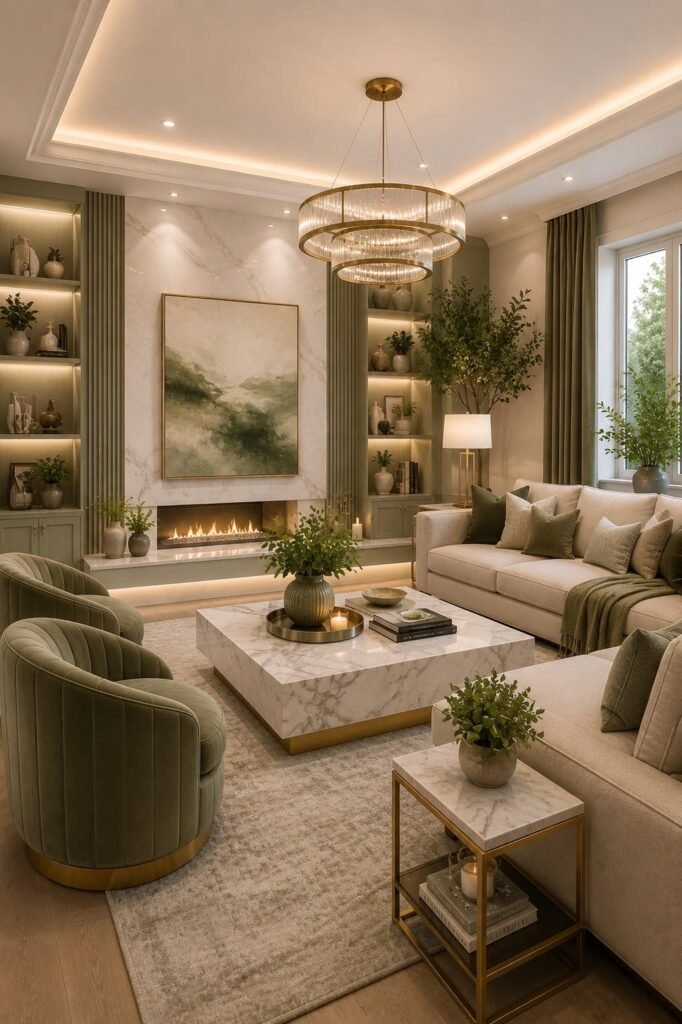
The most luxurious homes tell a story. They reflect the history, travels, and passions of the people who live within them. When we purchase mass-produced decor sets, we strip our spaces of personality. Instead, seek out objects with individual character. A hand-carved bowl from a local artisan, a vintage painting found at a market, or a collection of books inherited from a grandparent all possess a unique soul. These items invite curiosity, sparking conversations and holding memories that enrich the home with genuine meaning.
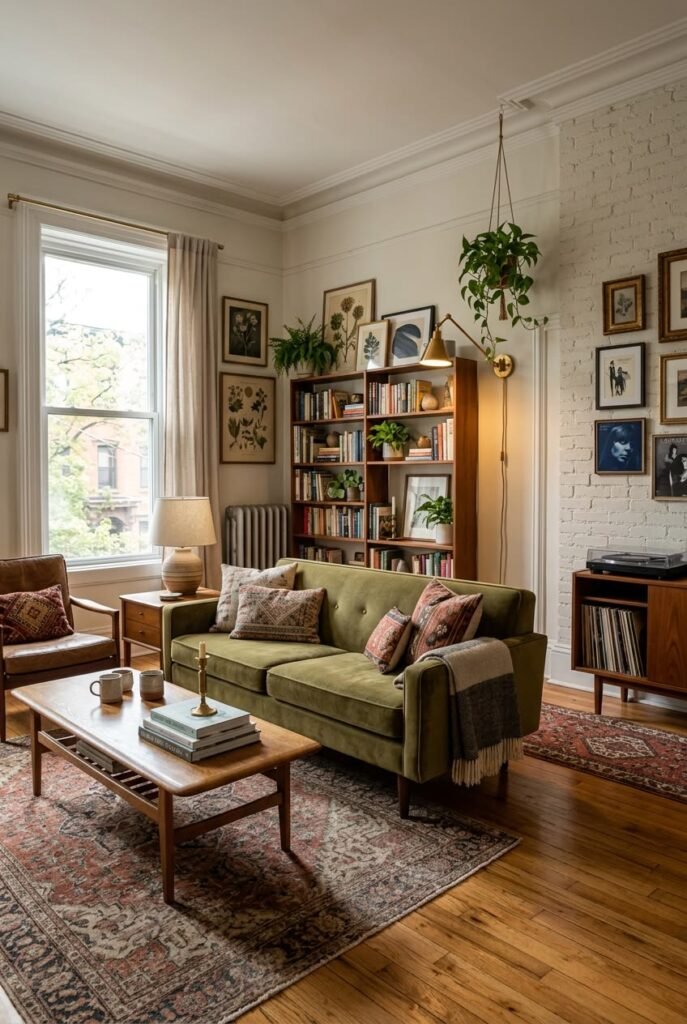
True style is an accumulation of choices made over time. It is the opposite of a one-stop shop approach to interior design. When you decorate a room in a single weekend using items from a major retail catalog, the space lacks character. It becomes a copy of a copy, devoid of personal voice. A luxurious home is curated slowly, with patience and love. It is the result of keeping your eyes open during travels, visiting antique shops, and selecting pieces that resonate with your spirit. A hand-knotted rug with a slightly worn pattern, a ceramic bowl crafted by a local potter, or a vintage mirror with slightly distressed glass all carry a narrative. These objects hold a unique energy, bringing a sense of history and soul to your shelves. They make your home feel authentic and lived-in, ensuring that your space is a true reflection of your unique journey.
The Art of Scent
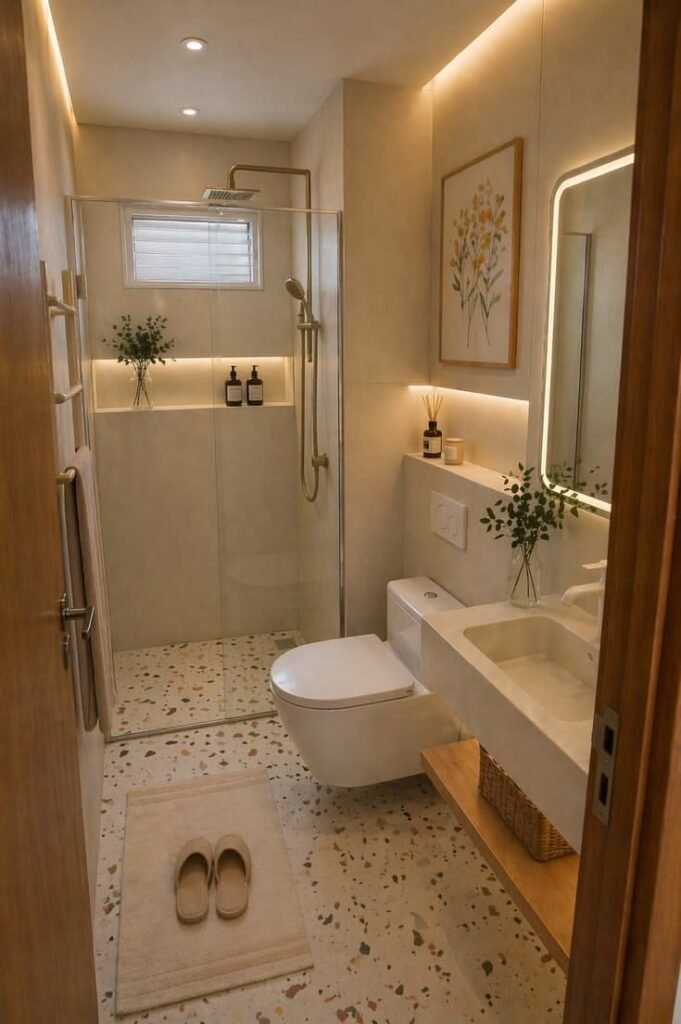
Scent remains one of the most powerful triggers of emotion and memory. Yet, it is often ignored in home design. A luxurious home engages all the senses, including the olfactory. Avoid artificial aerosol sprays and harsh chemical air fresheners, which can trigger headaches and feel cheap. Instead, utilize natural home fragrances to establish a signature atmosphere. High-quality soy candles infused with essential oils, natural wood incense, or a ceramic diffuser with notes of cedarwood, amber, and bergamot can transform the feeling of a room.
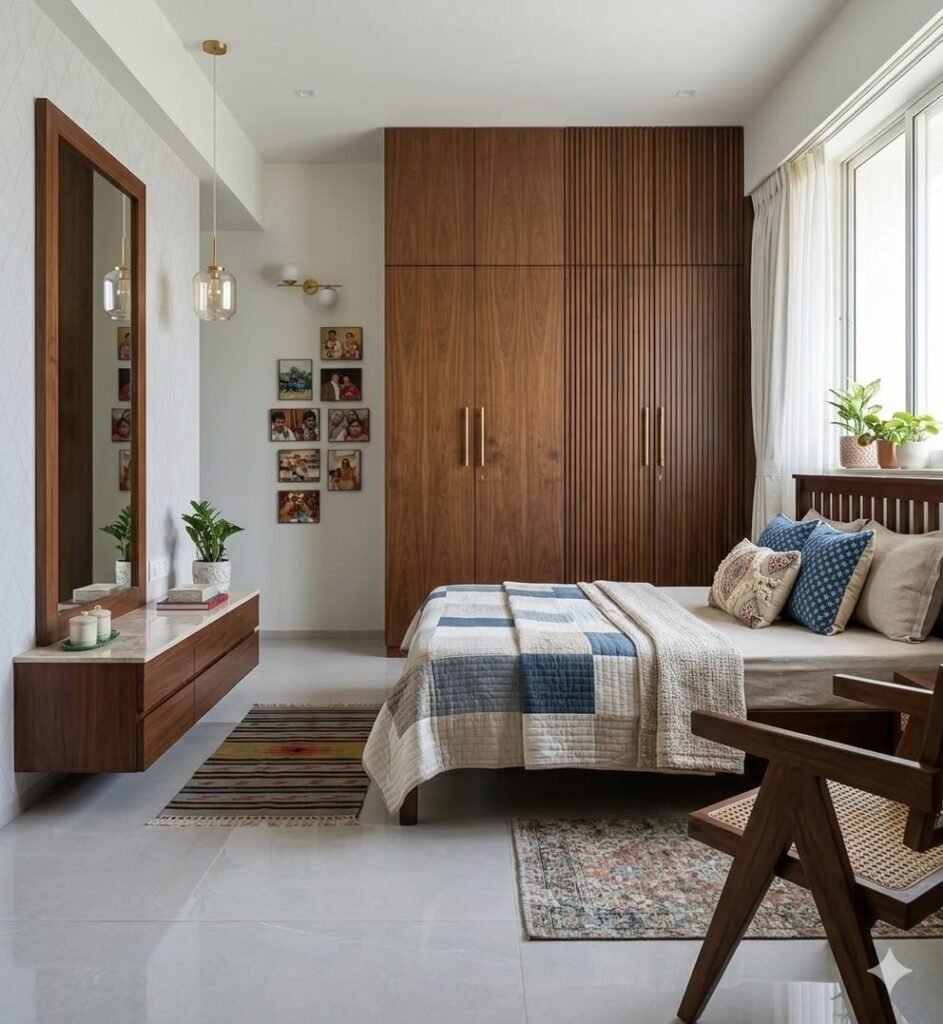
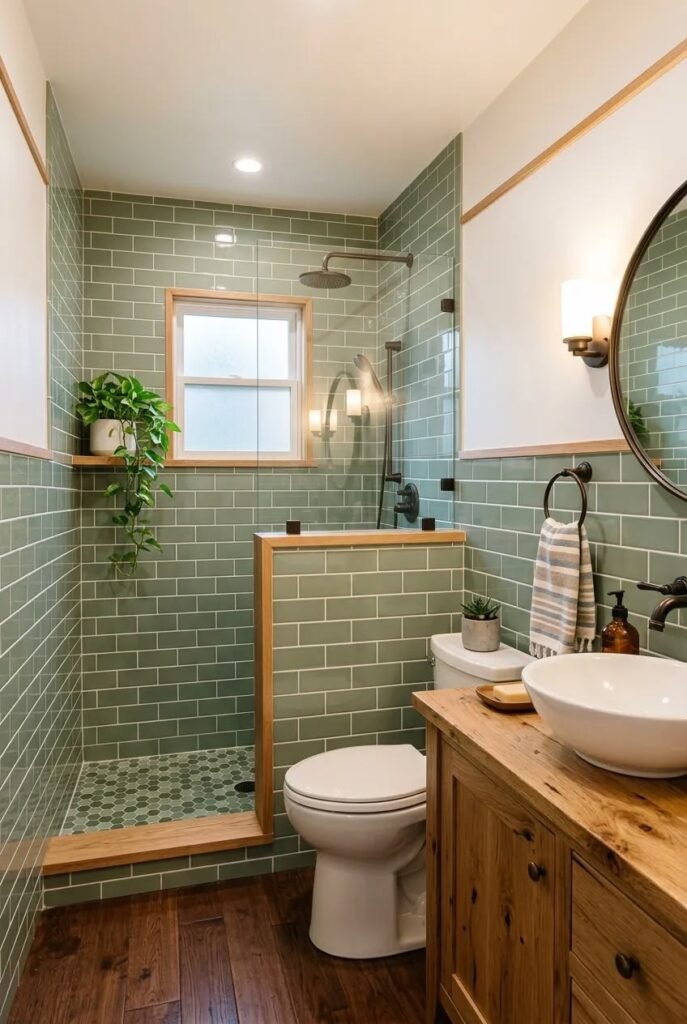
The scent of your home is the first thing a guest experiences when they step inside, and it is the sensory signal that tells your brain you are safe at home. Selecting a signature fragrance for your space is a beautiful ritual. Choose warm, grounding scents like sandalwood, patchouli, and vanilla for living areas to encourage relaxation. For the kitchen and entryway, fresh, crisp notes like eucalyptus, citrus, and rosemary bring an energizing clarity. By distributing these scents through natural mediums like beeswax candles or essential oil diffusers, you build a subtle, invisible layer of luxury that lingers in the air, wrapping your home in a continuous layer of sensory comfort.
The Luxury of Function
True luxury must support your daily life. A beautiful room that is uncomfortable or difficult to maintain is a failure of design. True opulence lies in the seamless integration of beauty and utility. It is found in a drawer that glides open smoothly, a kitchen layout that makes cooking a joy, and a sofa that supports your body perfectly. When your home functions with ease, it reduces the friction of daily tasks, freeing your mind to focus on what truly matters.
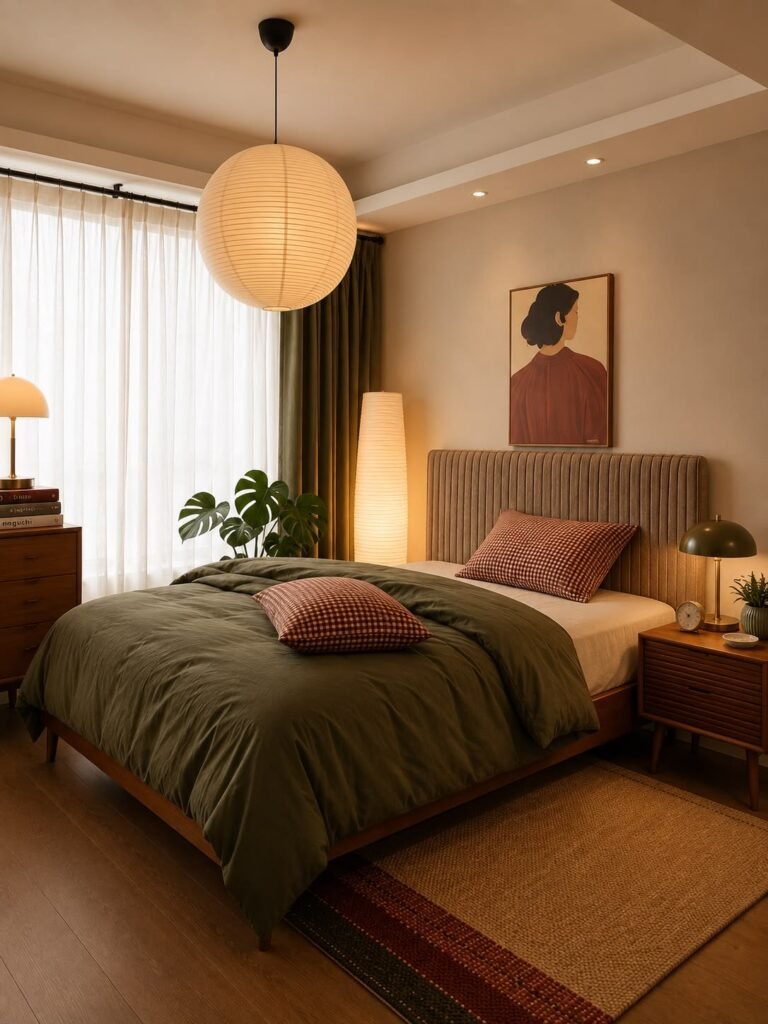
Consider the daily rituals that define your life. Making coffee in the morning, putting away your keys when you return home, or preparing for sleep at night. Each of these moments can be elevated through thoughtful design. A beautiful ceramic tray by the front door to hold your keys, a designated, organized drawer for your coffee supplies, and a nightstand that remains free of clutter all contribute to a sense of order and peace. This functional luxury is subtle and understated. It refuses to shout for attention, yet it enhances your quality of life every single day. By designing your space to support your natural habits, you build a home that works with you, reducing stress and promoting a continuous state of ease.
A Sanctuary of Your Own
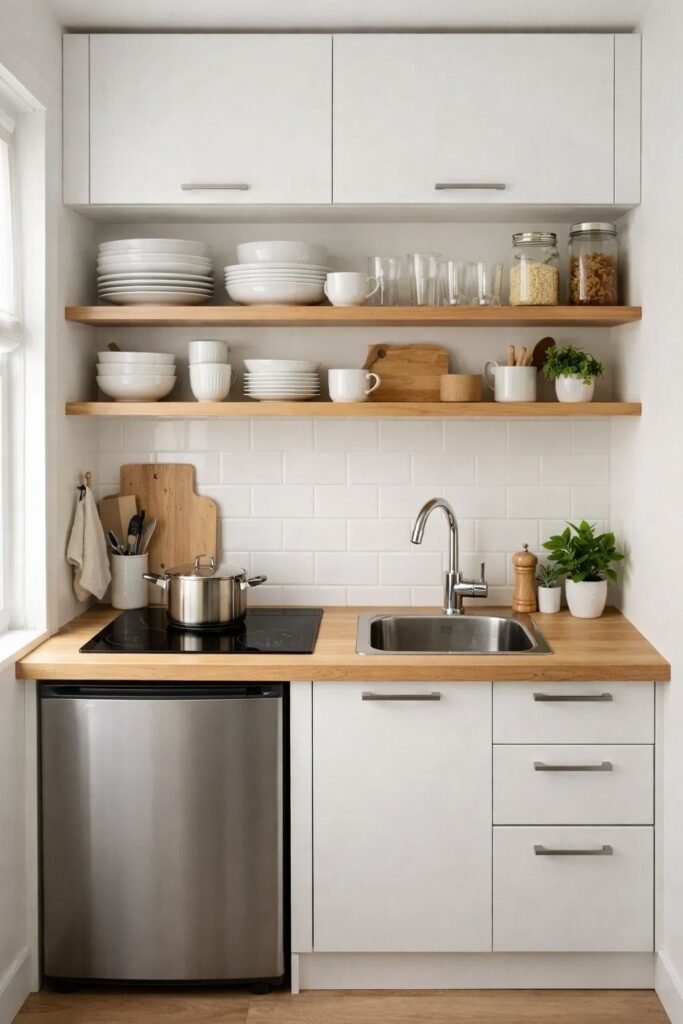
Ultimately, the secret to a more luxurious home lies beyond the showroom window. It is an internal alignment, a conscious decision to value comfort, history, and sensory pleasure over the empty pursuit of status symbols. You can build a sanctuary without spending fortunes or copying foreign trends. By embracing natural textures, mastering the choreography of light, curating items with personal meaning, and prioritizing functional ease, you build a space that feels rich from the inside out. Your home becomes a beautiful reflection of your soul, a place where you can relax, recover, and live with absolute elegance.

Related Posts

The Art of Becoming Who You Already Are

Aisha Ayensu: The Architect of African Opulence