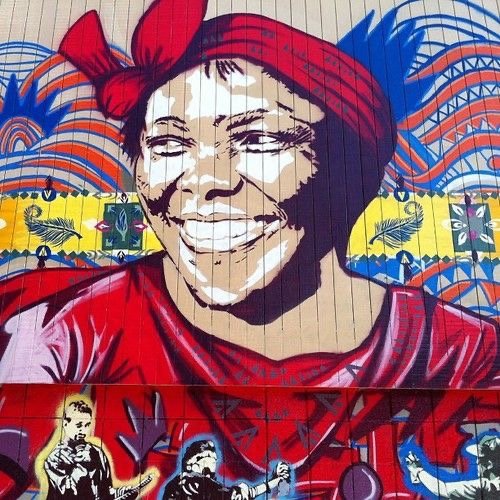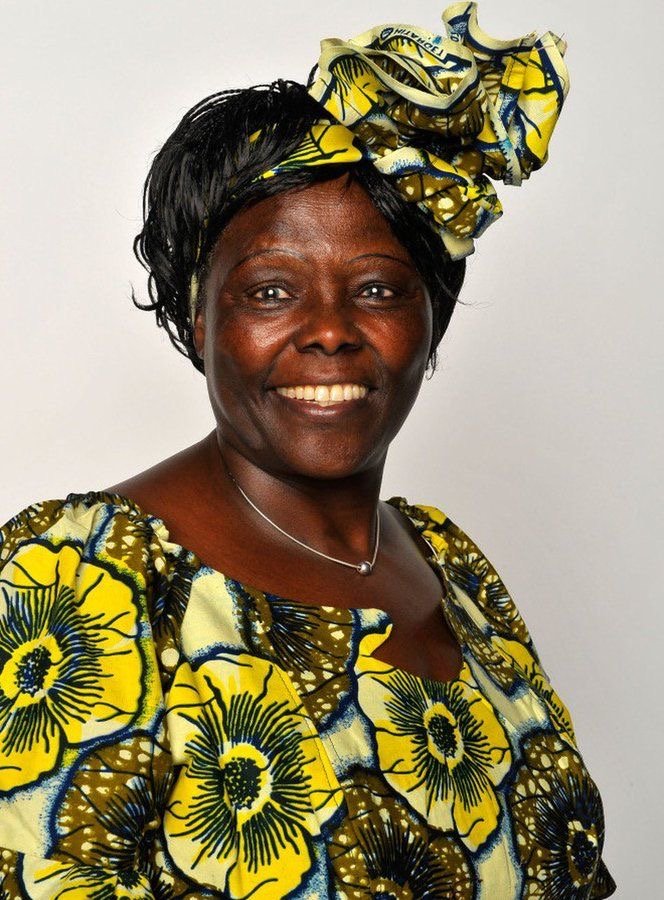
The Woman Who Planted a Movement: Wangari Maathai’s Story
Holding a seed in the palm of your hand can be like holding a promise of future survival. For Wangari Maathai, the physical act of digging into the earth and planting a sapling was a revolutionary gesture. She understood that the soil is the foundation of freedom, sovereignty, and human dignity. Long before the global elite recognized the absolute necessity of environmental sustainability, this brilliant Kenyan intellectual recognized that the degradation of the landscape was directly linked to the degradation of human lives.
As the first African woman to receive the Nobel Peace Prize in 2004, Maathai rewrote the global script on environmentalism. Her legacy remains a vital blueprint for contemporary conversations on climate justice, female empowerment, and democratic freedom.
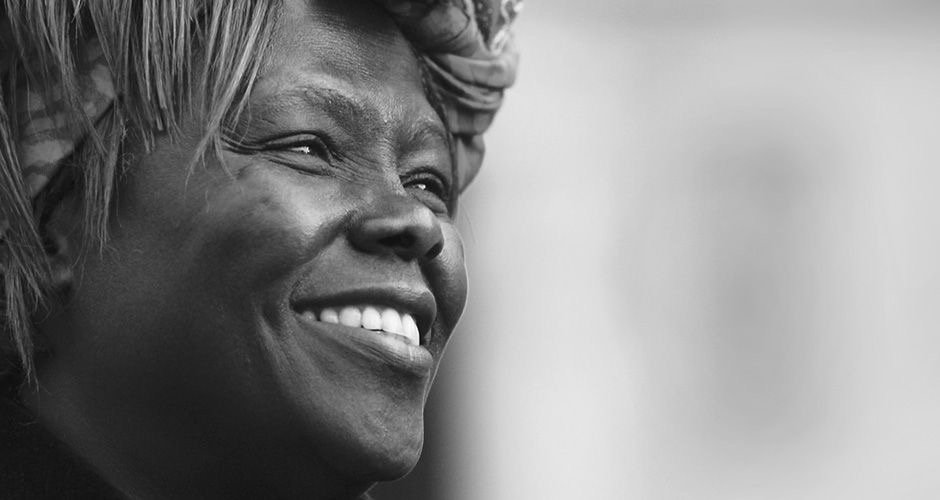
The Groundwork of an Intellect
So let’s understand the scale of her impact, but first let’s look to her roots in the lush, green hills of Nyeri, Kenya. Born in 1940, she grew up in a landscape dominated by the majestic presence of Mount Kenya, a region where the land was revered as a source of life and spiritual strength. Her childhood was filled with a deep appreciation for the natural world, particularly the sacred fig trees that grew in her village, which her grandmother taught her to protect.
Her academic trajectory was historic. She belonged to a select group of promising young African scholars chosen for the Kennedy Airlift program in the 1960s, which allowed her to study in the United States. She attended Mount St. Scholastica College in Kansas, earning a degree in biology, before pursuing a master’s degree at the University of Pittsburgh. These experiences exposed her to the growing environmental movements of the West, but her heart remained anchored in East Africa.
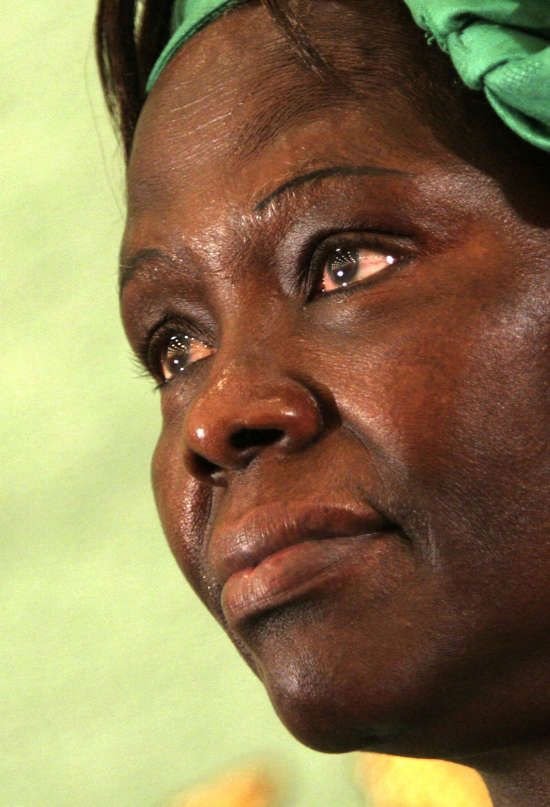
Upon her return to Kenya, she made academic history. At the University of Nairobi, she earned her doctorate in veterinary anatomy, making her the first woman in East and Central Africa to obtain a PhD. This achievement was a monumental victory over the rigid patriarchal academic structures of the era. She joined the university staff, eventually becoming the head of the Department of Veterinary Anatomy. This position of authority provided her with a platform, but she refused to confine her intellect to the laboratory.
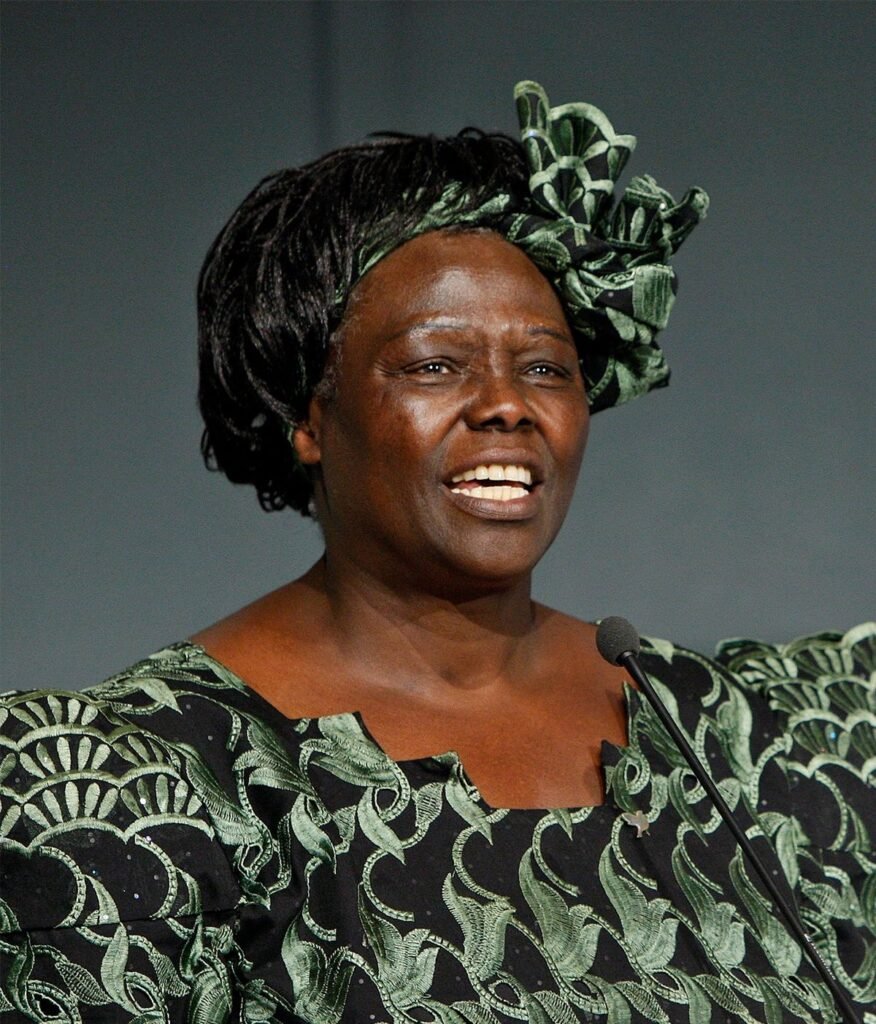
The Birth of the Green Belt Movement
The true turning point of her life occurred when she began listening to the struggles of rural women. As a member of the National Council of Women of Kenya in the mid-1970s, Maathai noticed a worrying trend. The streams in her homeland were drying up, the soil was losing its fertility, and families were struggling to find firewood and clean water. The commercialization of agriculture had led to massive deforestation, leaving the land barren and the communities vulnerable.
Maathai realized that the environmental crisis was a social crisis. She saw that the rural women bore the heaviest burden of this ecological decline, spending hours searching for basic resources while watching their children suffer from malnutrition. Her solution was elegant and incredibly practical: she proposed that the women plant trees.
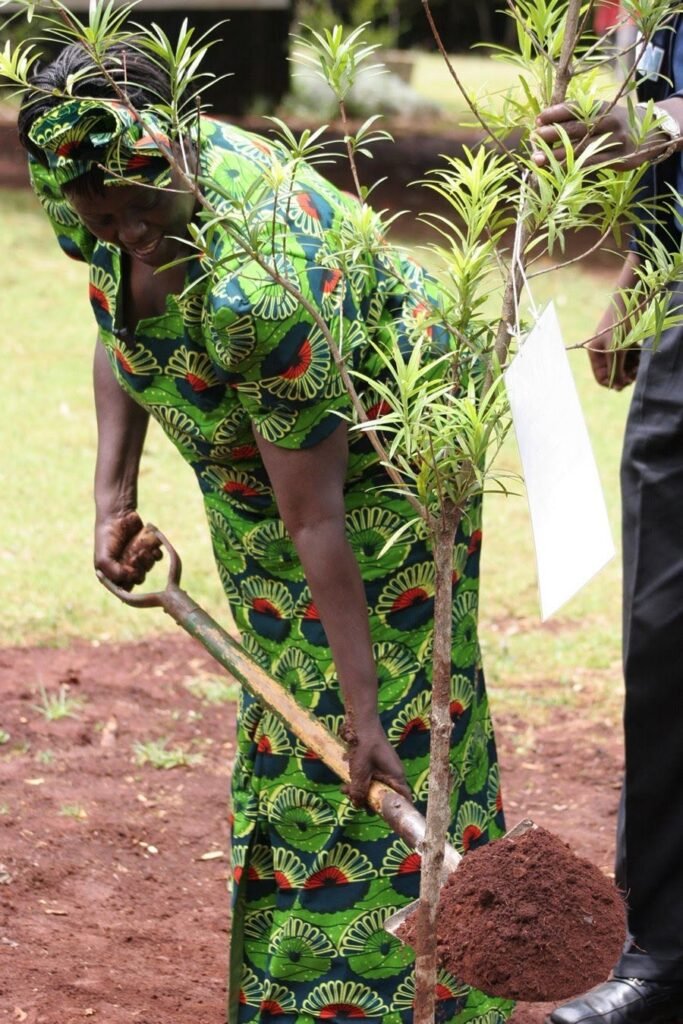
In 1977, she founded the Green Belt Movement. The concept was simple yet extremely revolutionary. Maathai mobilized rural women to set up tree nurseries in their villages, teaching them to harvest seeds, prepare the soil, and nurture the saplings. She paid them a small monetary stipend for every tree that survived, introducing a vital source of financial independence to these households. This economic autonomy allowed women to pay for school fees, purchase food, and gain a position of authority within their family structures.
The physical act of planting trees became a school of citizenship. As these women worked together, they began to discuss the root causes of their struggles. They learned to analyze the political and economic systems that allowed the land to be cleared for the benefit of a wealthy elite. Maathai used the Green Belt Movement to teach civic education, linking the health of the environment to the health of the democracy.
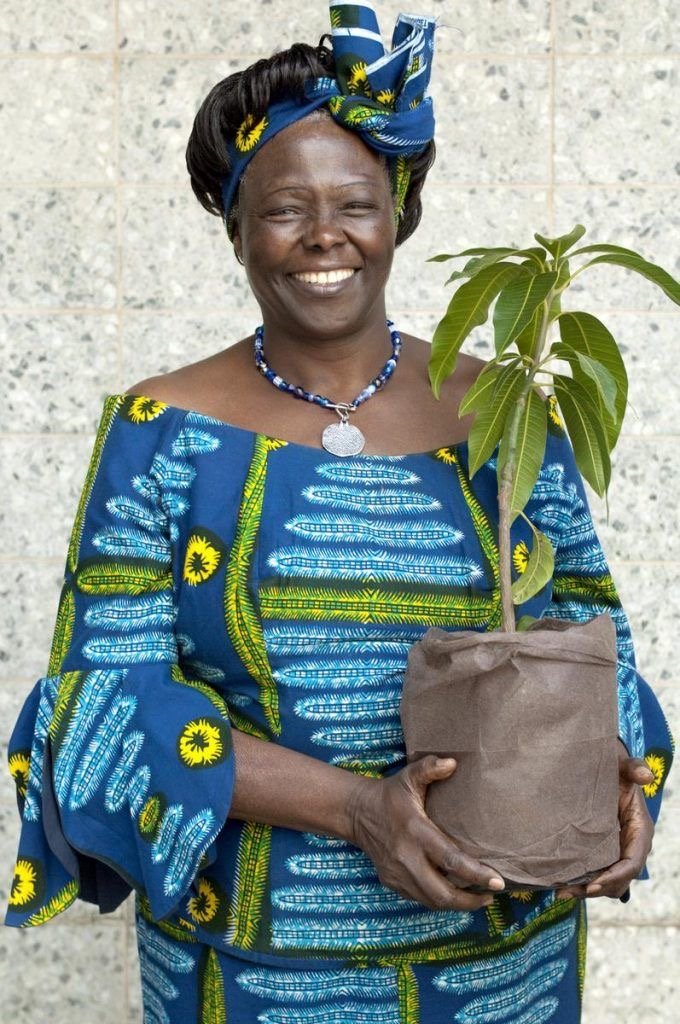
Environmentalism as Political Resistance
During the 1980s and 1990s, Kenya was governed by the authoritarian regime of President Daniel arap Moi. The government viewed any collective mobilization with extreme suspicion, and Maathai’s growing movement of organized, politically conscious women quickly became a target. Her work, once seen as a harmless conservation effort, was now recognized as a direct threat to the regime’s power.
The most famous clash occurred in 1989 when the government proposed the construction of a sixty-story skyscraper in the middle of Uhuru Park, Nairobi’s primary green space. The project, which was to feature a massive statue of the president, would have demolished the park and choked the city’s green lung.
Maathai stood firm against this corporate and political greed. She launched a relentless public campaign, writing letters to international donors, foreign embassies, and environmental organizations. Her protests drew global attention to the regime’s corruption, eventually forcing the international investors to withdraw their funding. The skyscraper project was canceled, and Uhuru Park was saved for the people of Nairobi.
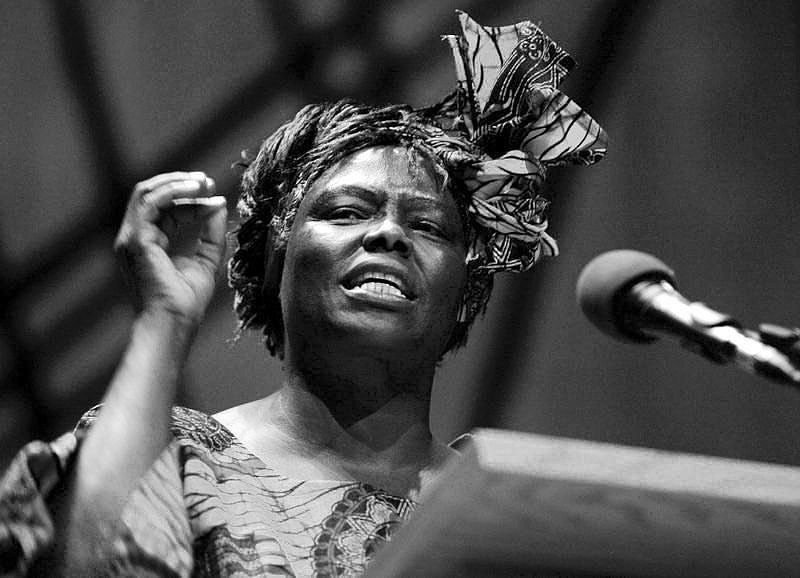
The regime reacted with fury. Maathai was subjected to a campaign of public vilification. Government officials ridiculed her in parliament, calling her a “crazy woman” and asserting that decent African women should remain obedient and silent. She was arrested multiple times, her home was raided, and she faced physical violence.
In 1992, during a protest at Freedom Corner in Uhuru Park to demand the release of political prisoners, police officers tear-gassed and beat Maathai and her fellow activists until they were unconscious. Yet, she refused to be intimidated. She returned to the park, her head bandaged, to continue her stand. Her physical bravery showed the nation that the fear of the regime could be broken.
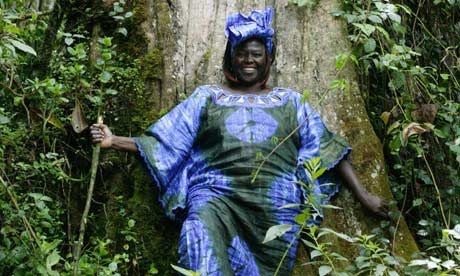
The Philosophy of Interconnection
The core of Maathai’s philosophy was the understanding of absolute interconnection. She believed that the environment, democracy, and peace are three sides of a single pyramid. When the environment is destroyed, resources become scarce, leading to conflict and war. When democracy is suppressed, the people lose the power to protect their resources, leading to further environmental ruin.
This holistic view is why she was selected for the Nobel Peace Prize in 2004. The Nobel Committee recognized that peace is impossible without sustainable resource management and democratic governance. By awarding her the prize, the world validated her belief that saving a forest is an act of peace-building.
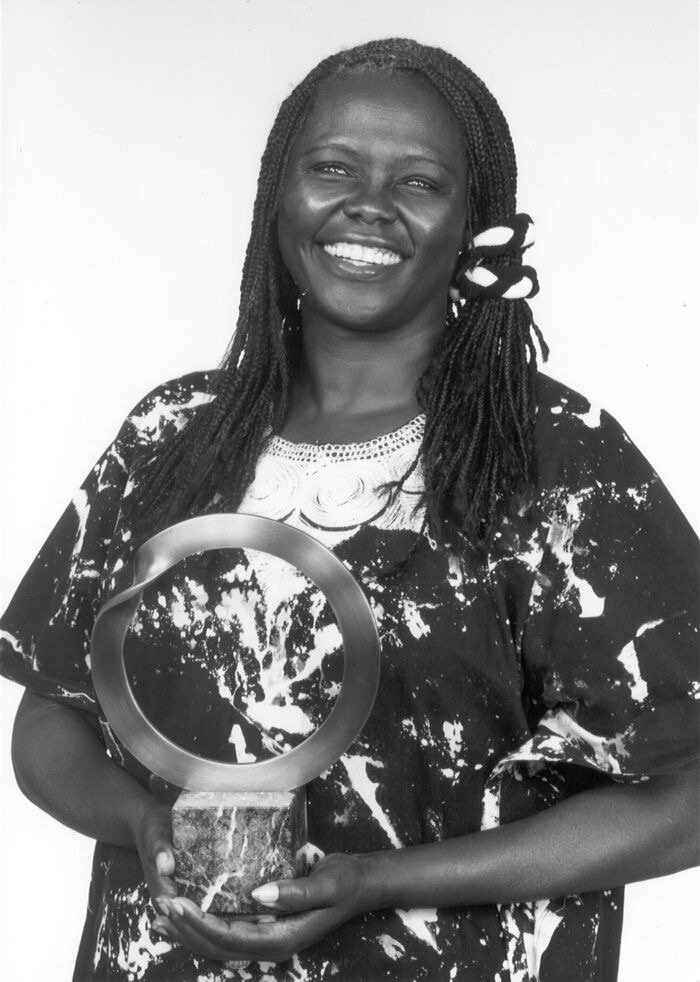
Her Nobel lecture was a beautiful call to action, reminding the global community of our shared responsibility to the earth. She spoke of the African tradition of the three-legged stool, where one leg represents the sustainable management of resources, the second represents democratic space, and the third represents peace. If you remove any of these legs, the stool falls.
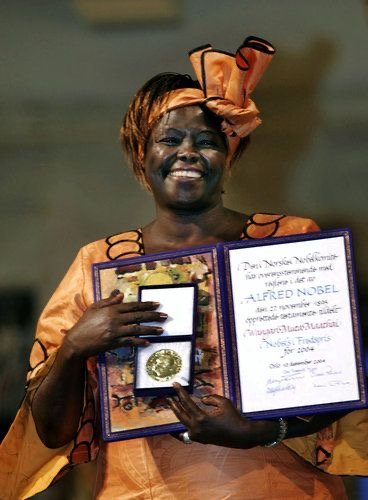
An Enduring Blueprint for the Future
Wangari Maathai passed away in 2011, but her voice remains incredibly relevant as the world faces the escalating challenges of climate change and environmental degradation. The Green Belt Movement she founded has planted over fifty million trees across Kenya, transforming the landscape and the lives of millions of women.
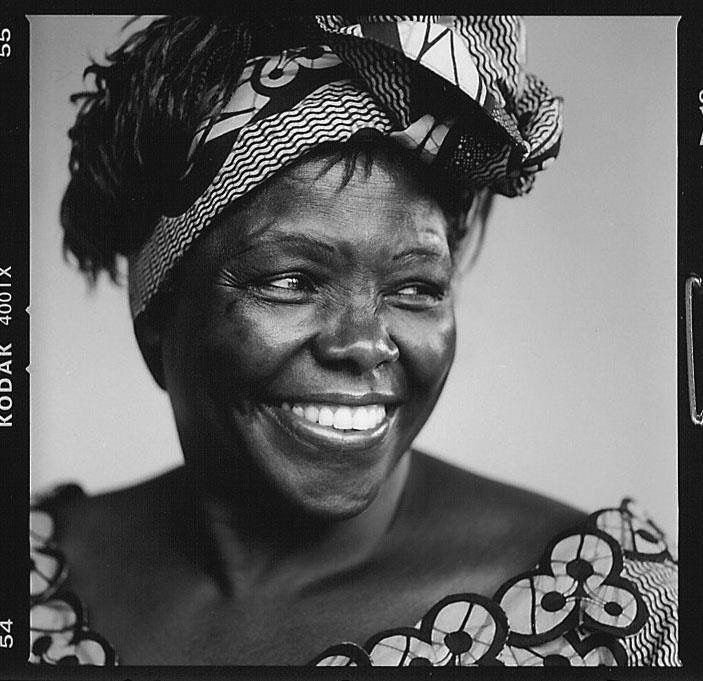
Today, her legacy lives on in the global conversations surrounding sustainability and climate justice. She showed us that the solution to global crises often starts with local, grassroots action. She proved that the people most affected by environmental harm are the very ones who possess the knowledge and resilience to heal the land.
Her life remains an invitation to look at the soil with reverence. She taught us that to plant a tree is to plant a seed of peace, a seed of democracy, and a seed of hope. As we navigate the complex ecological challenges of our time, we can look to her example for courage. She remains a symbol of unyielding strength—the woman who planted a movement and taught the world to stand tall, like the trees she loved so dearly.