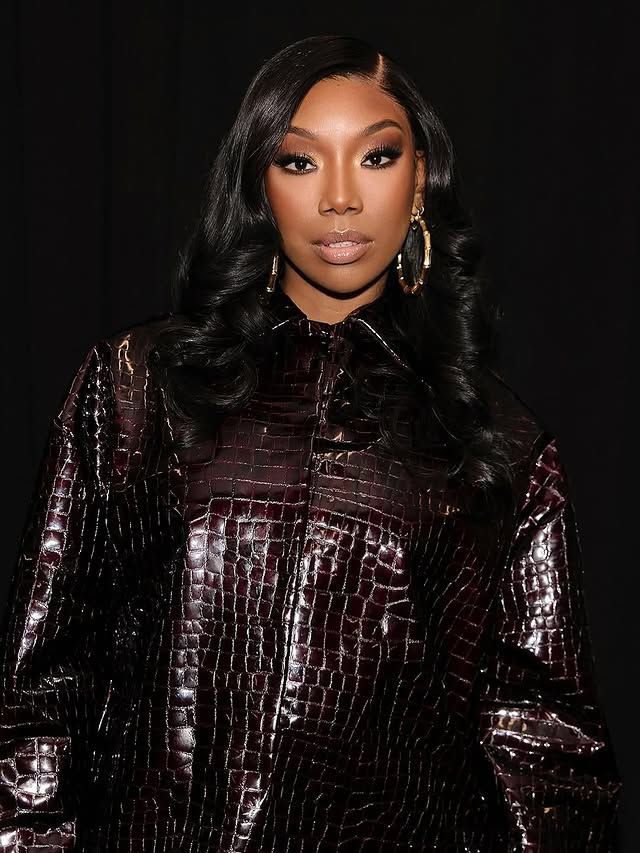
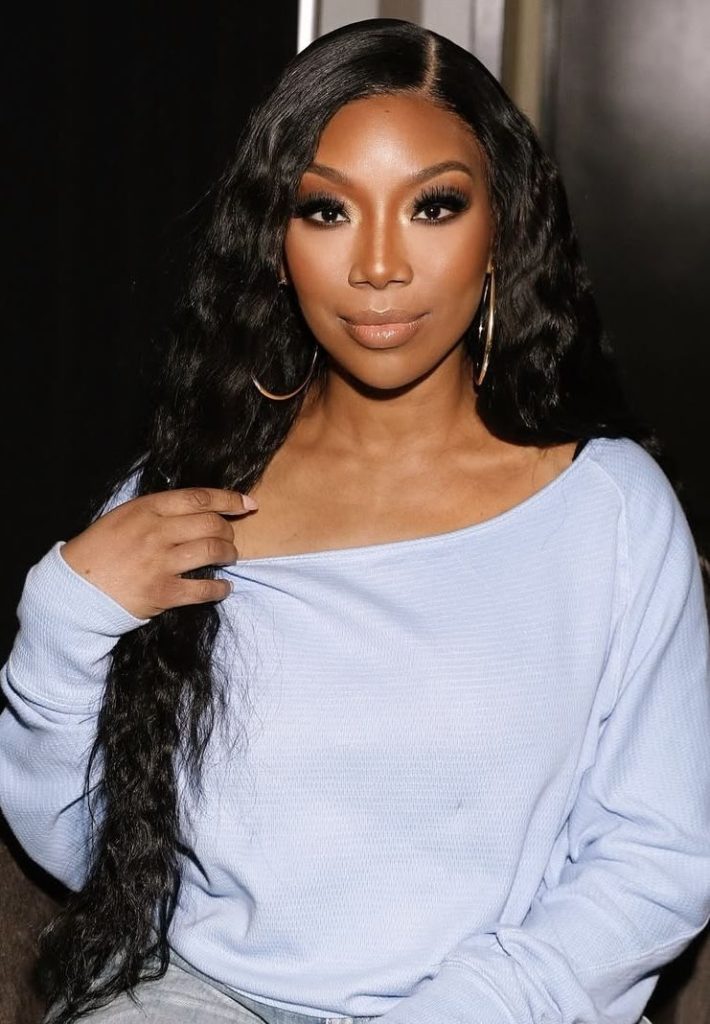
Brandy Norwood: The Blueprint of Modern R&B and the Vocal Bible
Brandy Rayana Norwood, born February 11, 1979, in McComb, Mississippi, became one of the most significant artists of her generation. Often celebrated as “The Vocal Bible” for her technical mastery, her body of work profoundly influenced the landscape of modern R&B. Although born in Mississippi, she was raised in Carson, California, where the stage for her influential career was set long before her first commercial success.

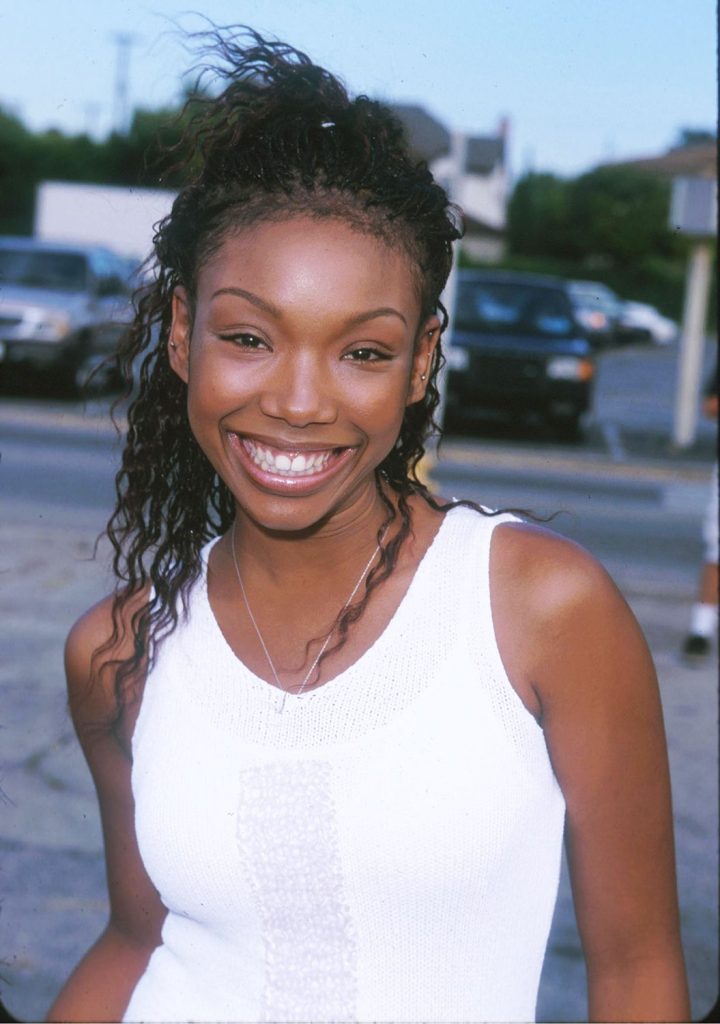
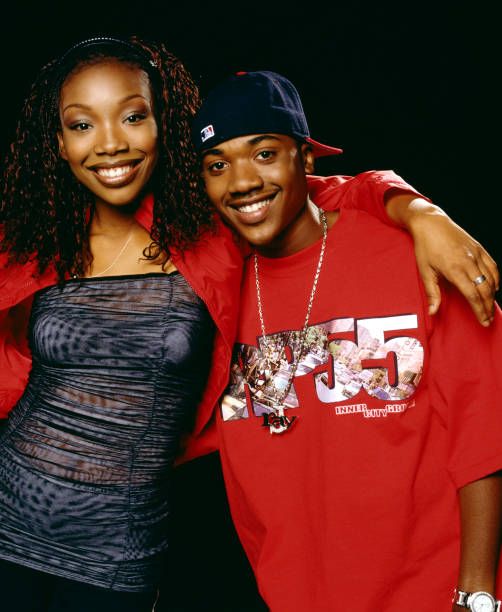
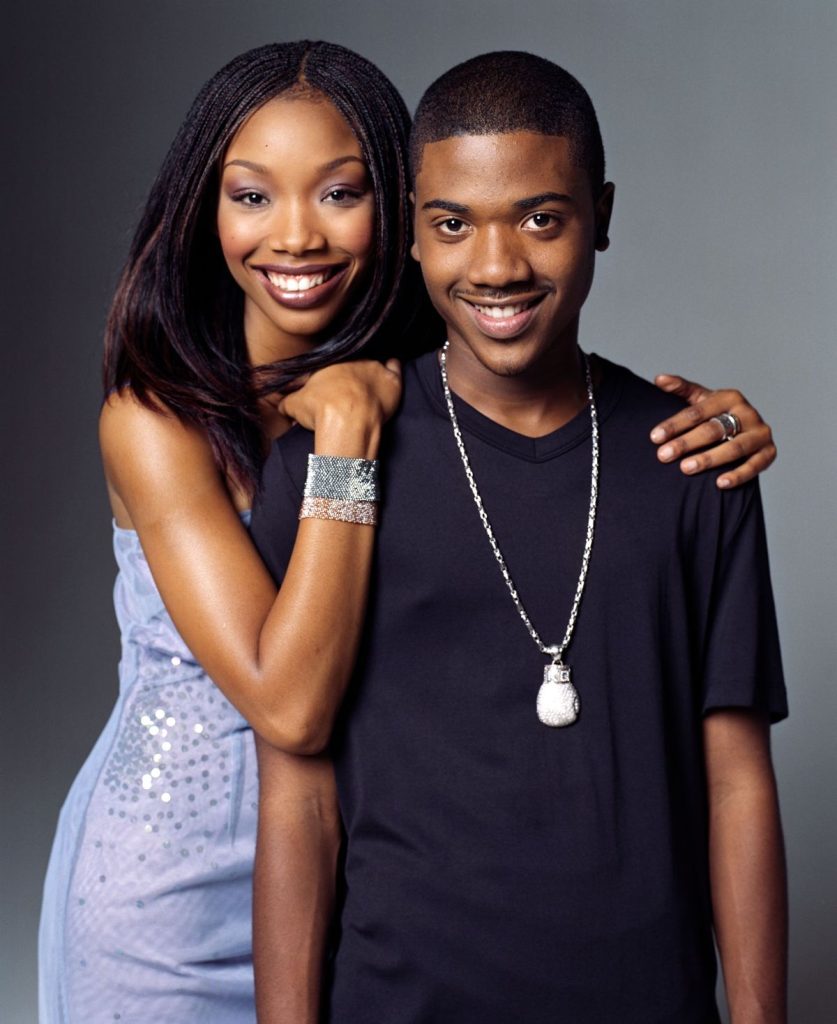
Brandy’s early life was built upon a strong musical and professional foundation provided by her family. Her father, Willie Norwood, brought the deep experience of a former gospel singer and choir director into their home. Simultaneously, her mother, Sonja Norwood, guided her career from a young age, establishing herself as a formidable manager and talent agent. Music within the Norwood household was an essential foundation. Brandy began singing in church by the age of two, demonstrating her inherent talent and commitment to the art form, which she shared with her younger brother, Ray J.
This deeply rooted and professional environment prepared her for the rigors of the industry. Her dedication and undeniable talent quickly led to professional opportunities. By the time she was fourteen, she had secured a recording contract with Atlantic Records, marking the official beginning of her public career. This breakthrough move launched her into the national spotlight, immediately leading to the chart success detailed below.
Music Career: The Core of Her Legacy
Brandy signed with Atlantic Records at age 14, achieving immediate fame with her debut album, Brandy (1994). This collection of contemporary R&B tracks, driven by the success of Major singles like “I Wanna Be Down,” “Baby,” and “Brokenhearted” (with Wanya Morris), resonated deeply with audiences. The debut album quickly propelled her career, eventually achieving 4× Platinum certification and establishing her as an R&B prodigy while still a teenager.
Her status became legendary with her peak album, Never Say Never (1998). The album’s commercial success was monumental, selling over 16 million copies worldwide. It featured massive hits including “Have You Ever?,” “Almost Doesn’t Count,” and the seminal duet “The Boy Is Mine” (with Monica), which became a cultural moment that dominated charts for 13 weeks at #1. This body of work earned her a Grammy Award for Best R&B Performance by a Duo/Group and remains one of the best-selling R&B albums of all time.
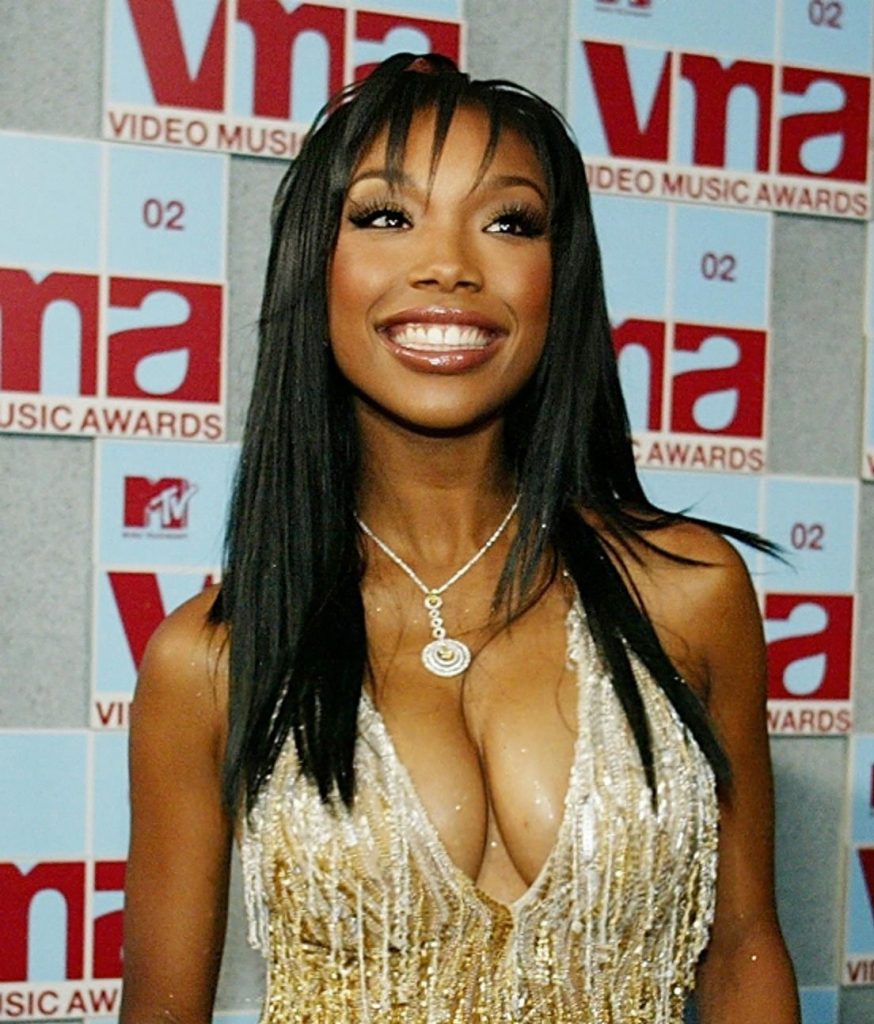
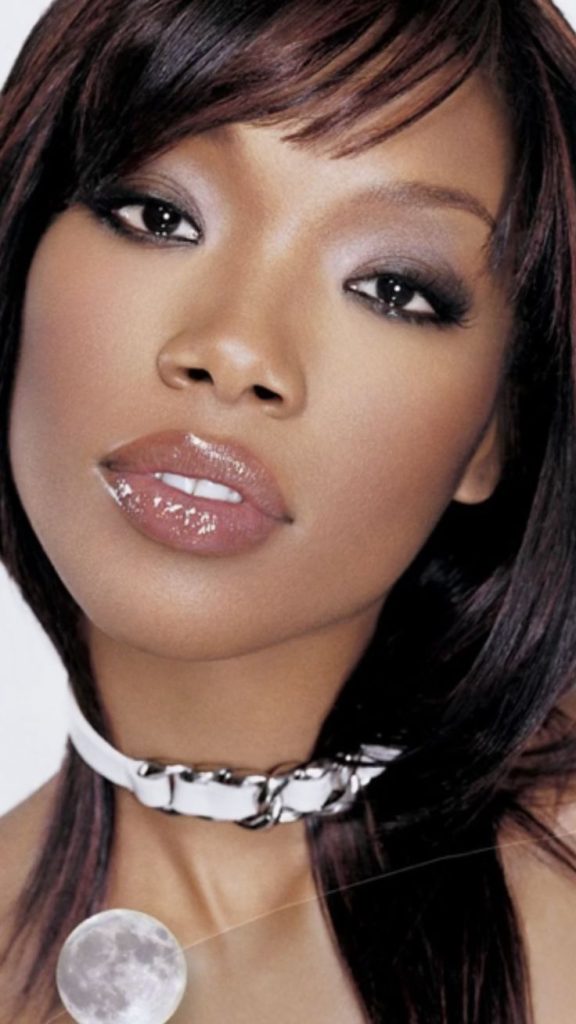
The 2002 album, Full Moon, signaled a radical artistic reinvention that permanently changed R&B vocal technique. This work introduced sophisticated vocal layering, advanced harmony stacking, and syncopated phrasing. Producers like Darkchild employed Brandy’s unique sound as an instrument, defining a new era of production. Following this, she released the critically acclaimed, darker, and experimental Afrodisiac (2004), the vulnerable Human (2008), the mature Two Eleven (2012), and the emotional, independent release B7 (2020), which was praised for its honesty about grief, depression, and motherhood.
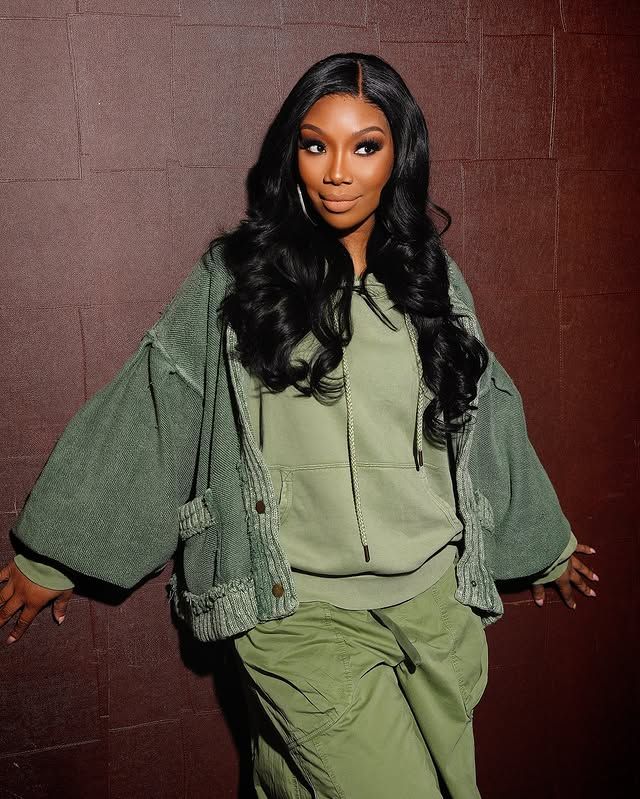
Acting Career: A Historic Impact
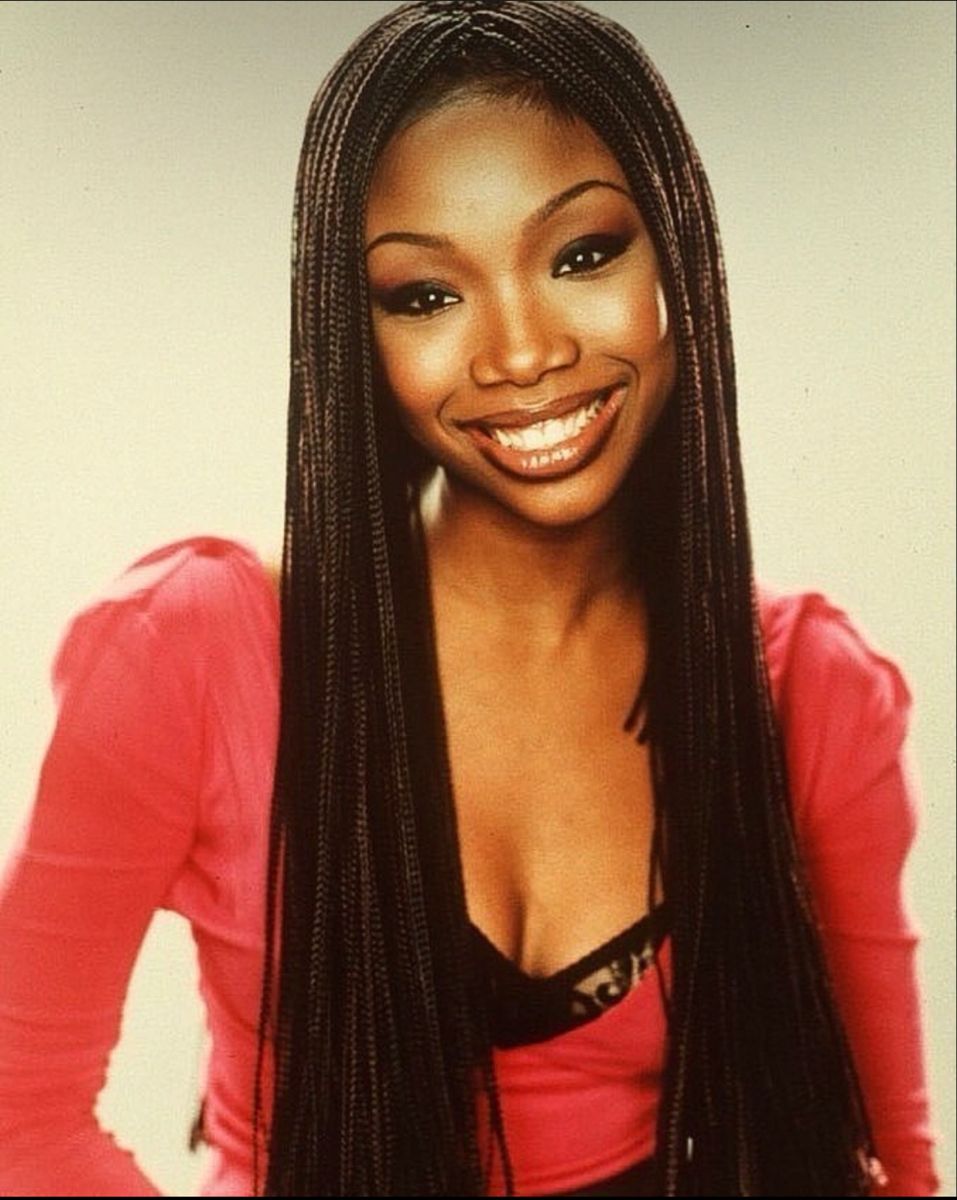
Alongside her musical achievements, Brandy cultivated a hugely important acting career that established her as a defining face of the 1990s. Her most recognized television role began in 1996 when she starred as Moesha Mitchell in the impactful Black sitcom Moesha. Running for six seasons, the show became an anchor for UPN’s programming, showcasing the life of a bright, relatable Black teenage girl in Los Angeles.

Moesha rapidly became one of the most culturally vital Black sitcoms of its era. The series was significant for centering the perspective of a smart, complex young Black woman navigating high school and familial expectations. For a generation of young viewers, Brandy became an essential role model, representing intelligence, style, and grounded ambition on screen.
The show was unafraid to tackle challenging, contemporary issues relevant to its audience. Over its run, Moesha directly addressed sensitive topics such as teen pregnancy, incidents of police brutality, class distinctions within the Black community, dating, and identity struggles. The show’s willingness to explore complex family dynamics cemented its status as a relevant cultural touchstone.
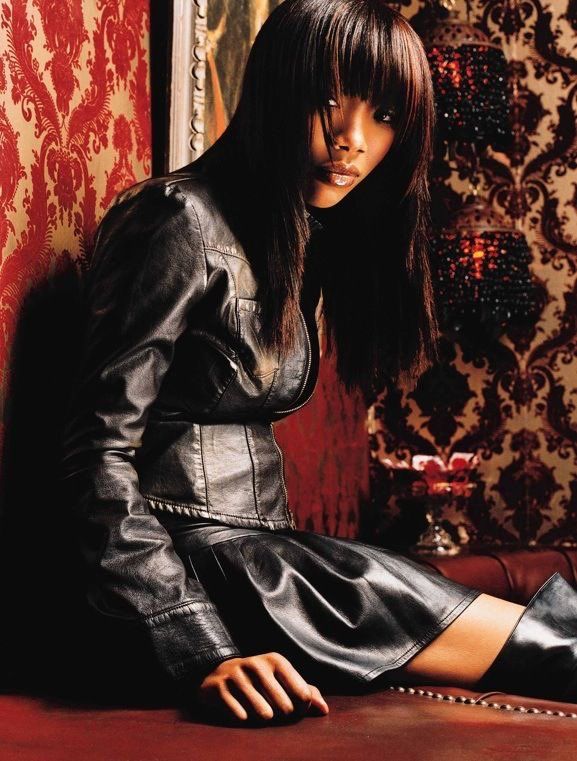
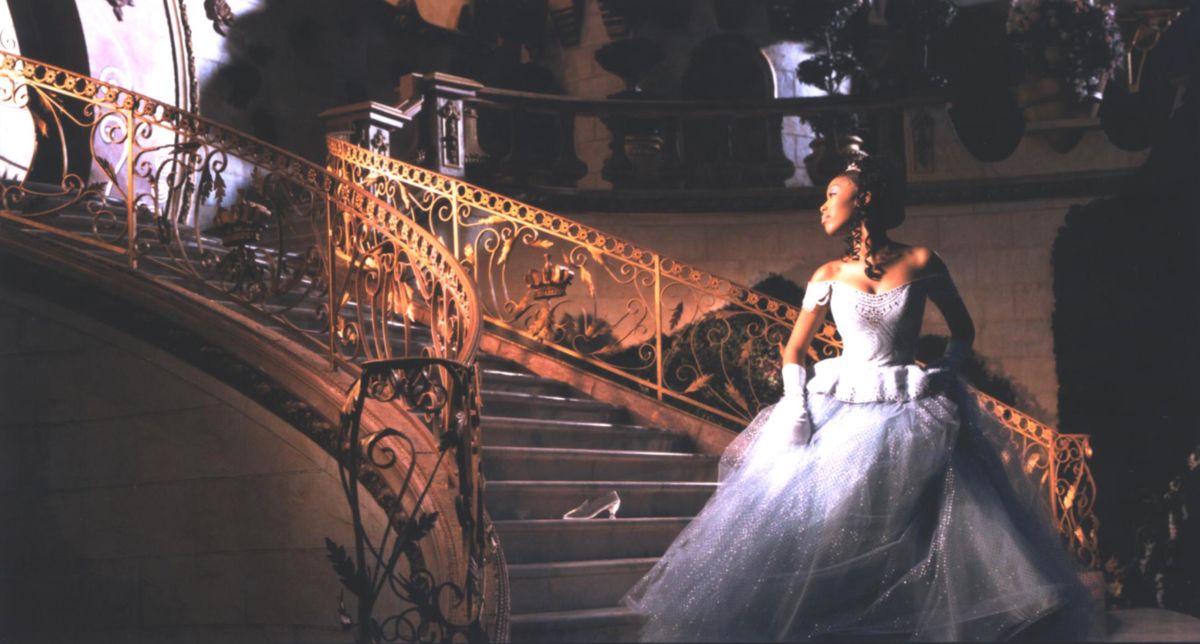
Brandy’s acting peak arguably arrived in 1997 with the television movie Rodgers and Hammerstein’s Cinderella, part of The Wonderful World of Disney. This production was groundbreaking for its commitment to color-conscious casting and diverse representation. Directed by Robert Iscove, the film featured an iconic multiracial cast, including Whitney Houston as the Fairy Godmother and Whoopi Goldberg as the Queen.
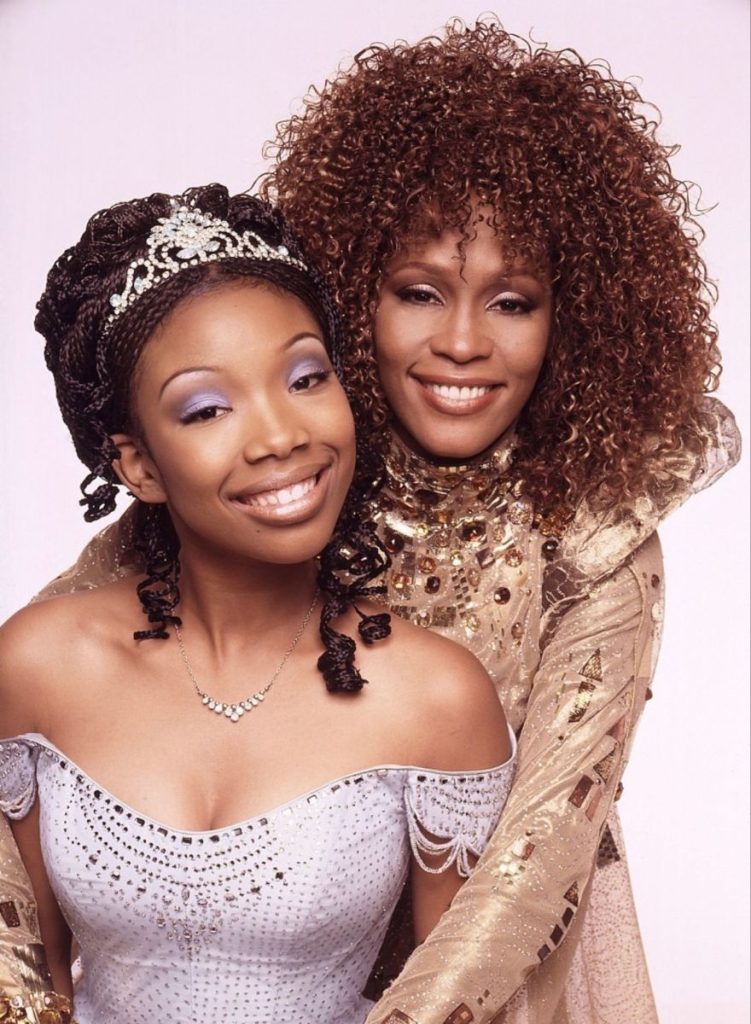
Her role as the titular princess made history. Brandy became the first Black actress to play Cinderella in a major film production, fundamentally changing representation in fairy tales and popular culture worldwide. Her portrayal broke a centuries-old visual standard, demonstrating that classic stories could, and should, reflect the diversity of their global audience. This performance remains one of the most celebrated moments of 1990s television.
Beyond her long-running sitcom, Brandy expanded her presence on the big screen. She appeared in the horror sequel I Still Know What You Did Last Summer (1998), demonstrating her versatility across genres. She also starred in Double Platinum (1999) alongside Diana Ross. In more recent years, she returned to television roles, notably appearing in the drama series Star (FOX) and the hip-hop ensemble comedy Queens (ABC).
Brandy also commanded the stage, making her Broadway debut in 2015. She joined the cast of the long-running musical Chicago, taking on the challenging role of Roxie Hart. This theatrical endeavor showcased her evolution as a multifaceted performer, proving her capacity to deliver sustained dramatic and physical performance eight shows a week.
Brandy’s dual career as both an iconic vocalist and a historic actress solidifies her position as a generational force. Her commitment to powerful roles, from the relatable teenager Moesha to the groundbreaking princess Cinderella, demonstrates her profound influence on media representation. Her filmography provides an enduring portrait of a versatile artist who balanced two demanding careers at the highest level.
The Vocal Bible: Technical Mastery
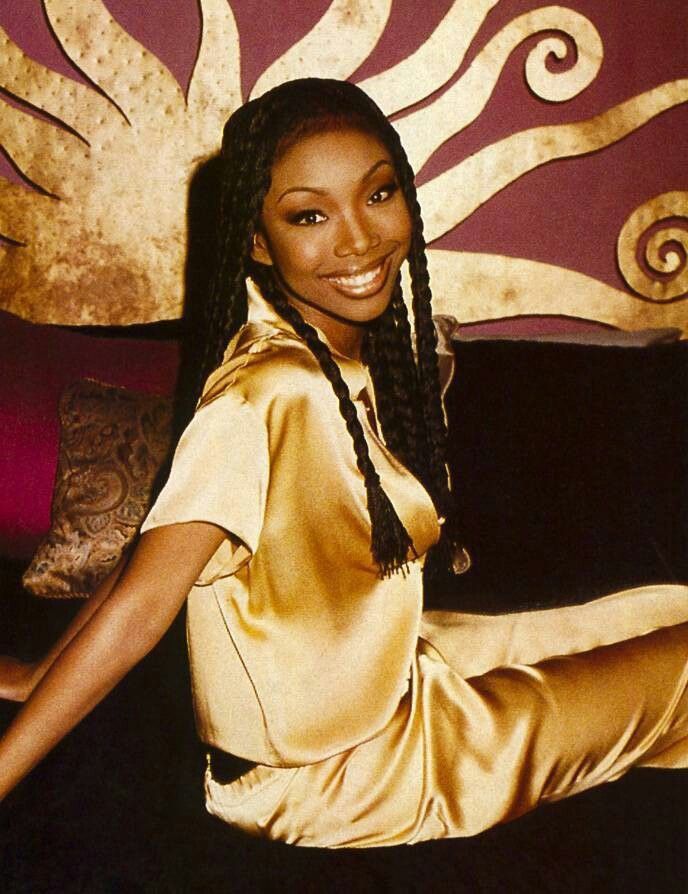
Brandy earned the nickname “The Vocal Bible” because of her profound technical brilliance, a reputation established independent of vocal volume. Her genius rests on the masterful control of her instrument. She is celebrated for her surgical precision, flawless tone control, and deeply emotional phrasing. Her vocal work features an advanced ability to stack complex, often dense, harmonies, creating a signature sound that is instantly recognizable. Vocalists study her catalog with the same intensity that jazz musicians study foundational figures like Miles Davis.
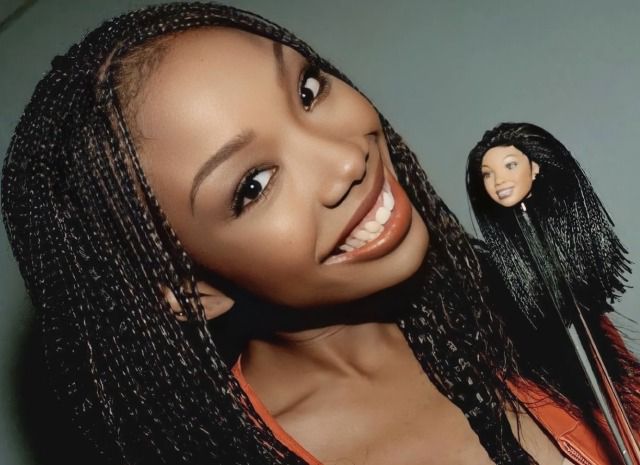
Her defining contribution to music resides in her revolutionary approach to vocal arrangement and performance. This includes her pioneering use of syncopated phrasing, where rhythms are intentionally pushed and pulled against the beat, and her complex, often subtle, vocal runs. Her technique involves the careful placement of every note, delivering runs and melismas with an accuracy that few can match, making every ad-lib sound deliberate and essential to the composition.
Critically, her use of vocal layering, sometimes referred to as “whisper harmonies,” transformed studio production techniques. The arrangement of these background vocals is often mathematically complex, requiring her to perform dozens of individual tracks per song. Producers began utilizing her voice as an intricate sonic texture, creating dense, atmospheric backdrops that became the undisputed blueprint for contemporary R&B records throughout the 2000s and beyond.
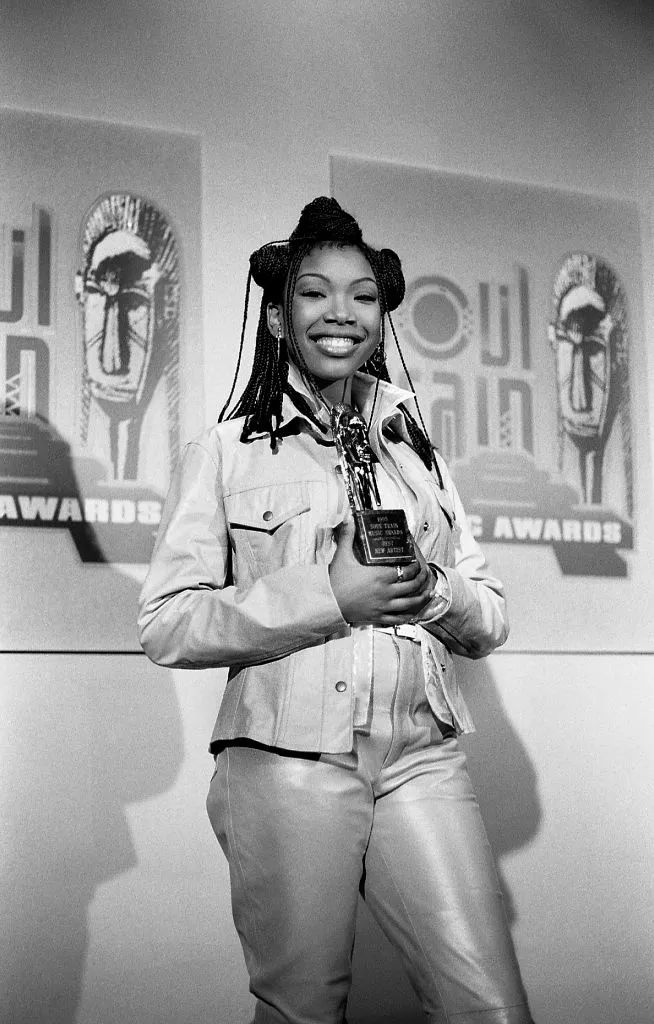
The evidence of her mastery is seen in the lineage of artists who follow her path. A vast number of successful artists cite Brandy as a direct and primary influence on their style, including Beyoncé, Rihanna, Jazmine Sullivan, H.E.R., Summer Walker, Ariana Grande, and SZA. The foundation of modern contemporary R&B vocals is defined by the technical innovations she introduced in her peak albums. Her technique is foundational, setting the standard for vocal arrangements and studio performance across the genre.
Challenges and Enduring Respect
Brandy has navigated significant public and personal challenges throughout her decades-long career. A pivotal and difficult period followed a fatal traffic collision in 2006. This tragic event resulted in a civil settlement with the victim’s family, and while no criminal charges were filed, the incident had a profound impact on her mental health and public visibility. The emotional weight of this period led to struggles with depression and anxiety, causing her to step away from the spotlight at various times to focus on healing and personal stability.
The complexities of industry politics and shifting musical trends also presented hurdles. During transitions between record labels and changes in the mainstream R&B sound, Brandy remained committed to her artistic integrity. This commitment sometimes resulted in lower commercial visibility compared to her early peak years, yet her peer respect and artistic credibility remained unshaken. Throughout these professional cycles, she maintained a dedicated global following that valued her technical excellence over temporary trends.
Motherhood became a central, defining element of her life when she welcomed her daughter, Sy’rai Iman Smith, in 2002. Raising a child while maintaining a high-profile career forced Brandy to become intensely private and protective of her family life. This role as a mother deeply influenced her creative perspective, infusing her later music with a newfound emotional depth and vulnerability. Her independent project, B7, serves as a testament to this growth, as she openly addressed self-reflection and the responsibilities of motherhood within her lyrics.
Her ability to overcome these public and private trials demonstrates a remarkable resilience. By prioritizing her mental health and the well-being of her daughter, Brandy established a blueprint for navigating long-term fame with grace. She emerged from these challenges as a more introspective and mature artist, using her platform to speak honestly about her experiences and further solidifying her status as a respected icon.

Legacy and Cultural Impact
With over 40 million records sold worldwide, Brandy is a Grammy Award winner and a recipient of NAACP Image Awards and Billboard Icon recognition. Her true legacy is her immense influence on music and her groundbreaking work in television and film. She redefined modern R&B vocals, balanced technical mastery with deep emotional delivery, and created space for introspective Black femininity in mainstream culture. Her personality, characterized by humility, kindness, and a relentless pursuit of excellence, earns her the title of an artist’s artist. She remains deeply respected for her poise and her contribution to the arts. Musicians often define her stature by saying she is “Your favorite singer’s favorite singer.” That is Brandy.