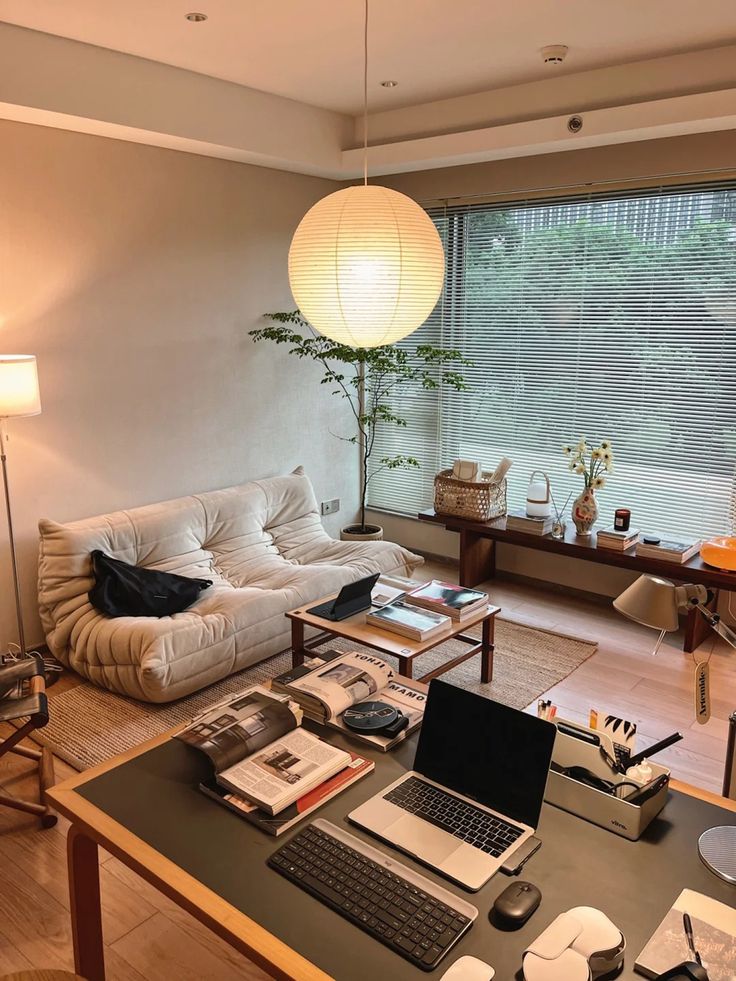
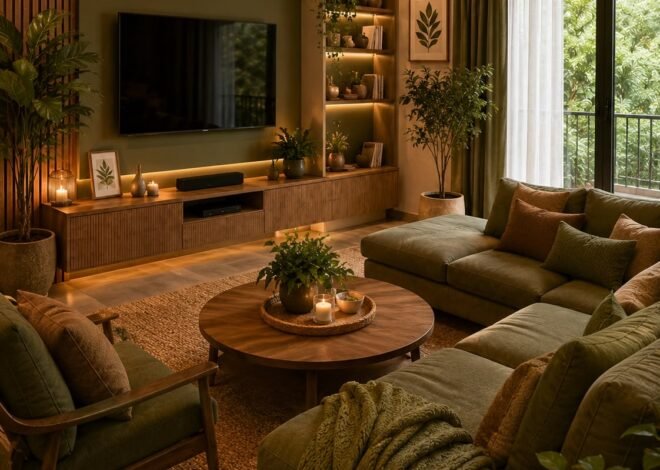
The Sensory Home: Design Your Space for Mood and Focus
Your Home’s Real Job Is How It Makes You Feel
We spend so much time obsessing over paint colors, furniture placement, and gallery walls. We want our homes to look polished and organized. But after all the effort, why do certain rooms still feel draining, while others never seem relaxing enough?
The truth is, visual design only gets you so far. Your home’s most essential function is controlling your emotional and psychological state. To achieve true comfort, you need to move the focus to what you hear, smell, and experience. It’s time to perform an atmosphere audit, a redesign based entirely on your senses.
1. The Light Switch: Energy and Calm
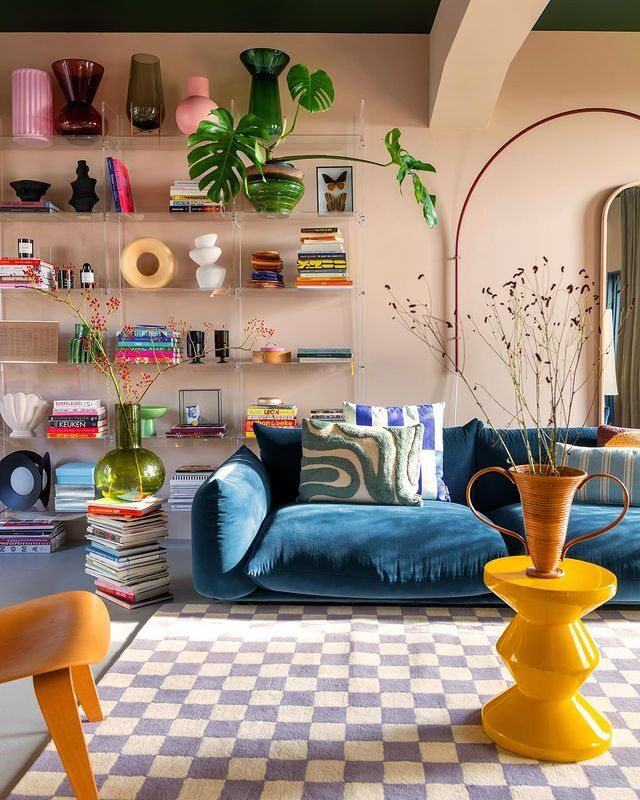
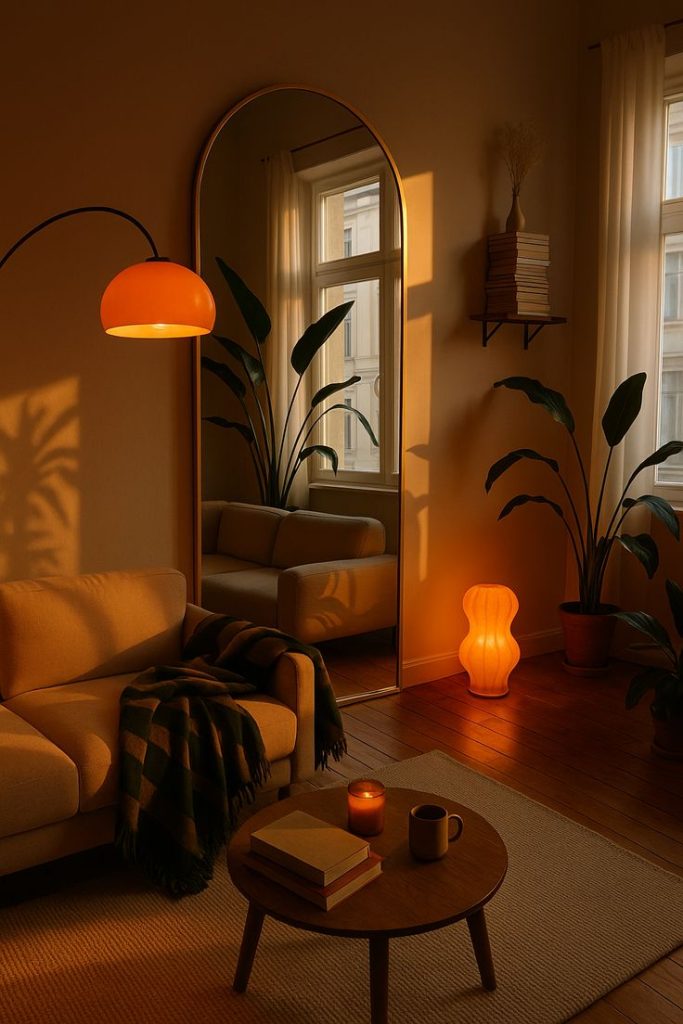
Light is the single most powerful tool you have for manipulating mood. You don’t need expensive fixtures; you need to understand the concept of color temperature, measured in Kelvins (K).
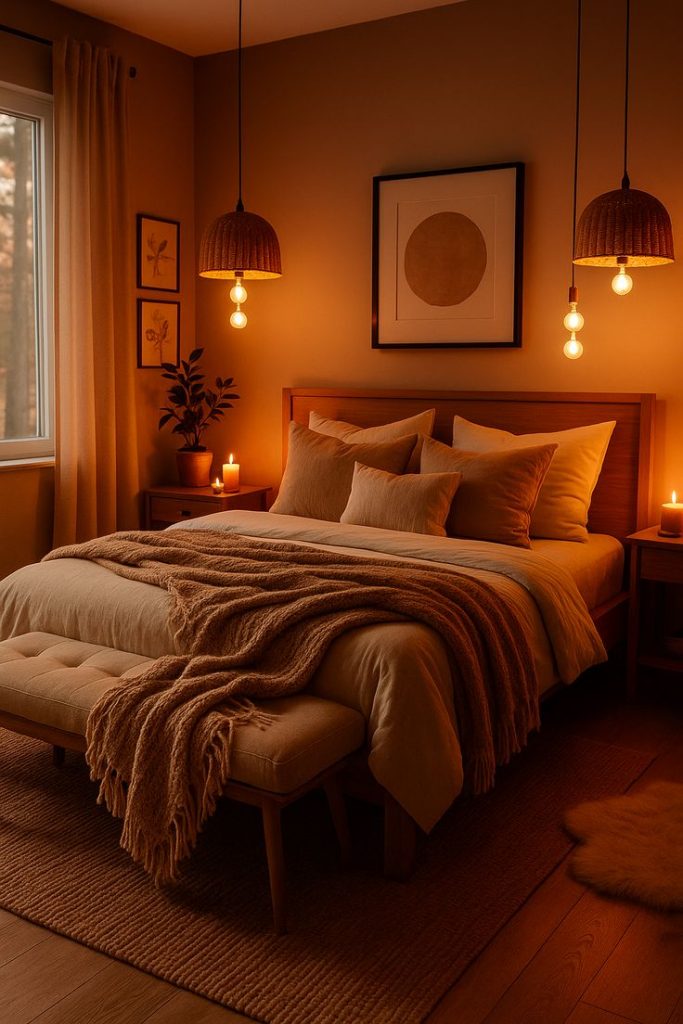
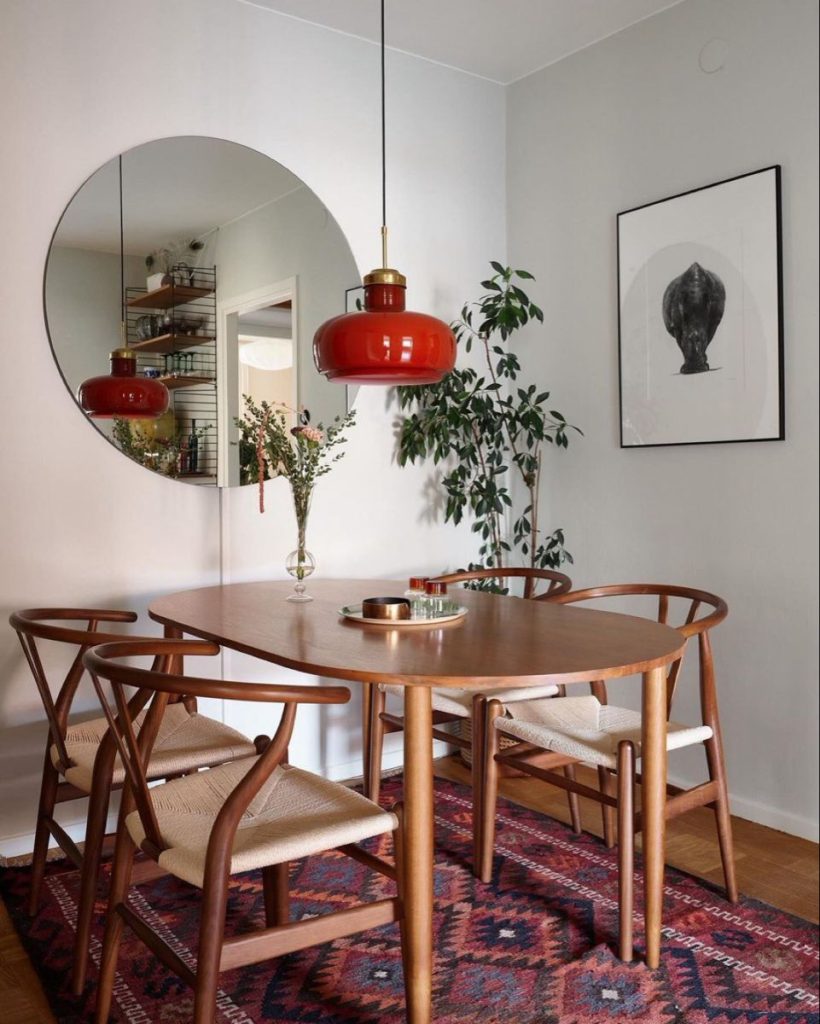
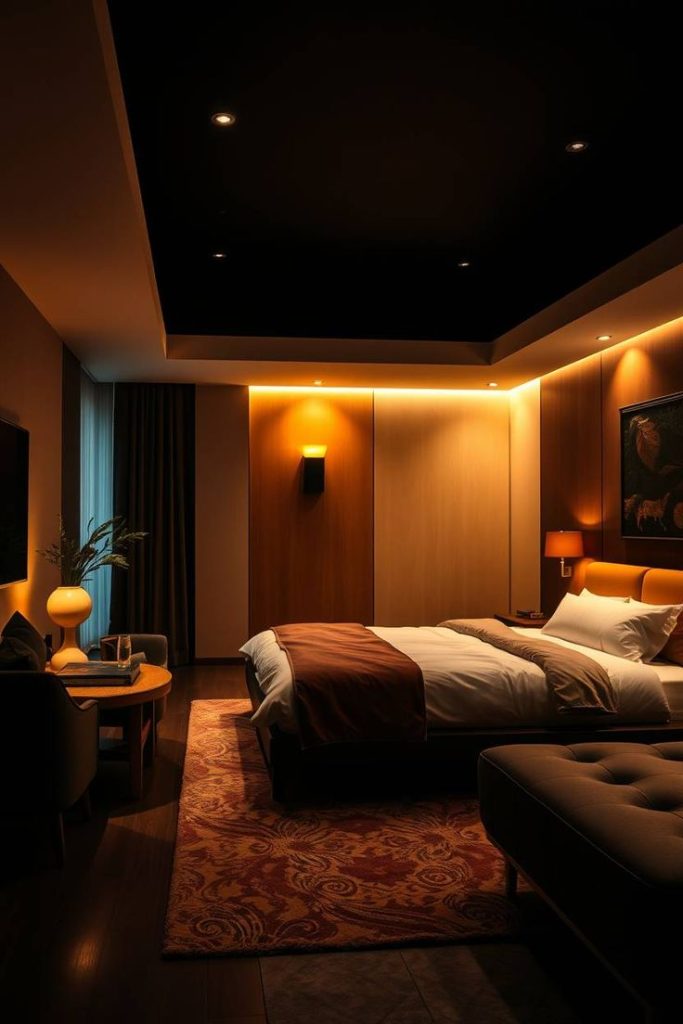
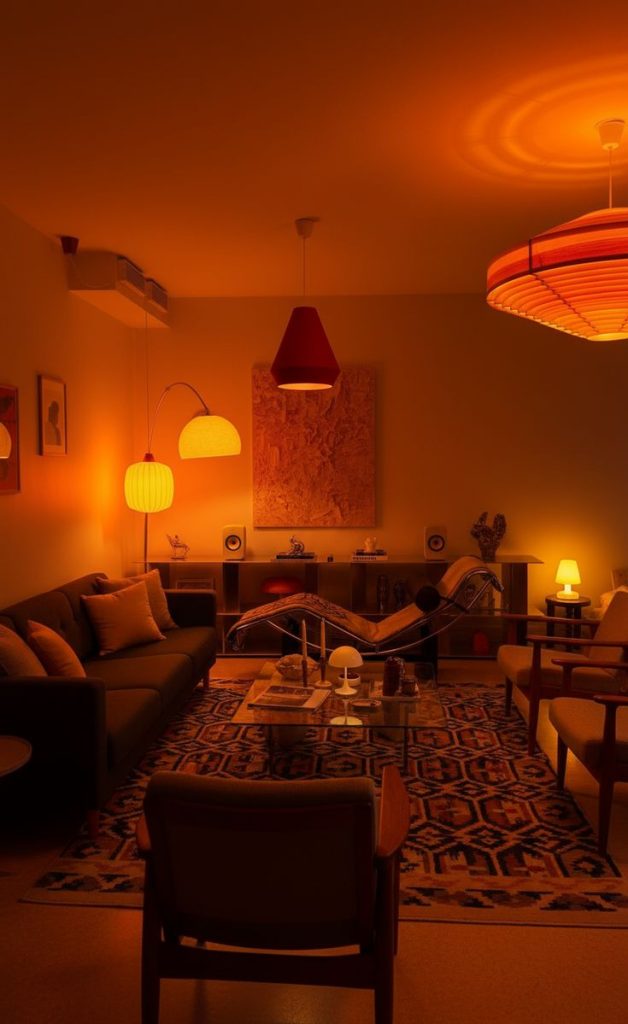
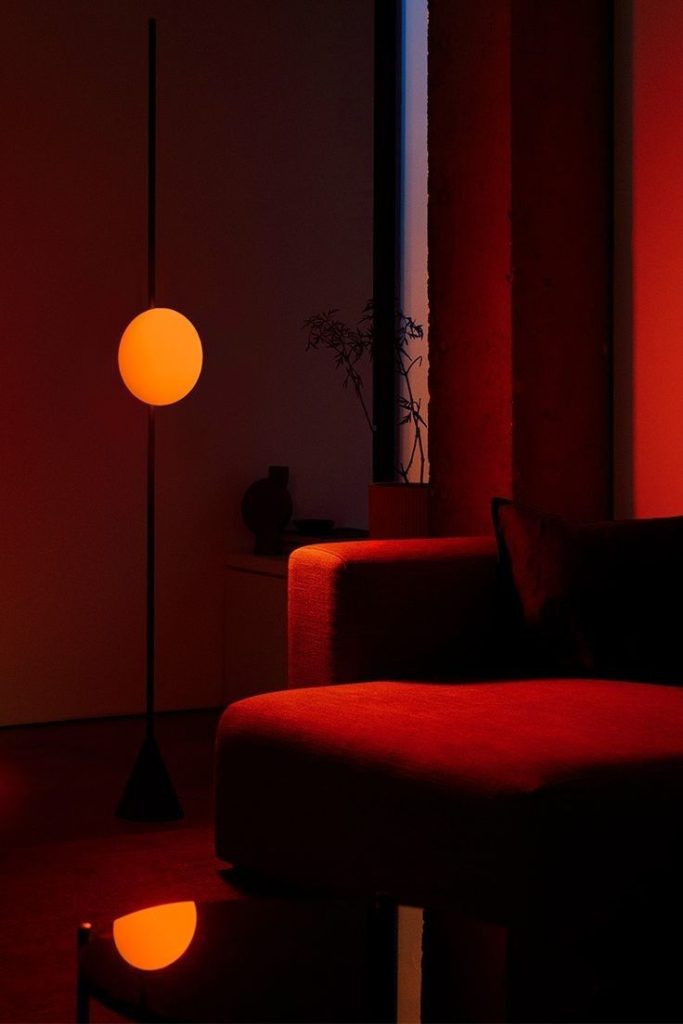
- Warm Light (2000K–2700K): This golden, amber glow mimics candlelight or a sunset. It signals to your brain that it’s time to slow down, promotes melatonin production, and is perfect for bedrooms, reading books, and dining areas. You can achieve this with standard Edison bulbs or soft white LEDs. Use this light exclusively after 7 PM.
- Cool Light (4000K–5000K): This crisp, white-blue light mimics daylight. It boosts cortisol, improves reaction time, and is ideal for cognitive tasks. It belongs in home offices, workshops, laundry rooms, and kitchens where precision is key.
Purchase affordable smart bulbs for your main living areas. You can set them to switch automatically from energizing cool white during work hours to calming warm yellow in the evening.
2. The Soundscape: Focus and Peace
Silence can feel jarring, and constant environmental noise (like traffic or neighbors) drains your attention. Intentional sound design is crucial for carving out mental space.
- The Focus Zone: When you need to concentrate, try setting up a sound profile. This means using noise generators (like white, pink, or brown noise) to mask distracting sounds, creating a consistent sonic blanket that allows your focus to deepen.
- The Relaxation Zone: For decompression, create a curated playlist of sound textures—rain on a window, gentle forest ambience, or classical music without dramatic shifts. Avoid music with lyrics; your brain will try to process the words, pulling you out of relaxation.
- The Digital Detox: For the hour before bed, turn off every notification. Use this time to replace digital chatter with analog sounds: the rustle of turning a book page or the gentle hum of a fan.
3. The Scent Story: Cueing Your Brain
Scent is powerfully linked to memory and emotion. By using specific scents consistently in specific areas, you train your brain to immediately switch into that zone upon recognizing the aroma. This is a powerful trick for productivity and sleep hygiene.
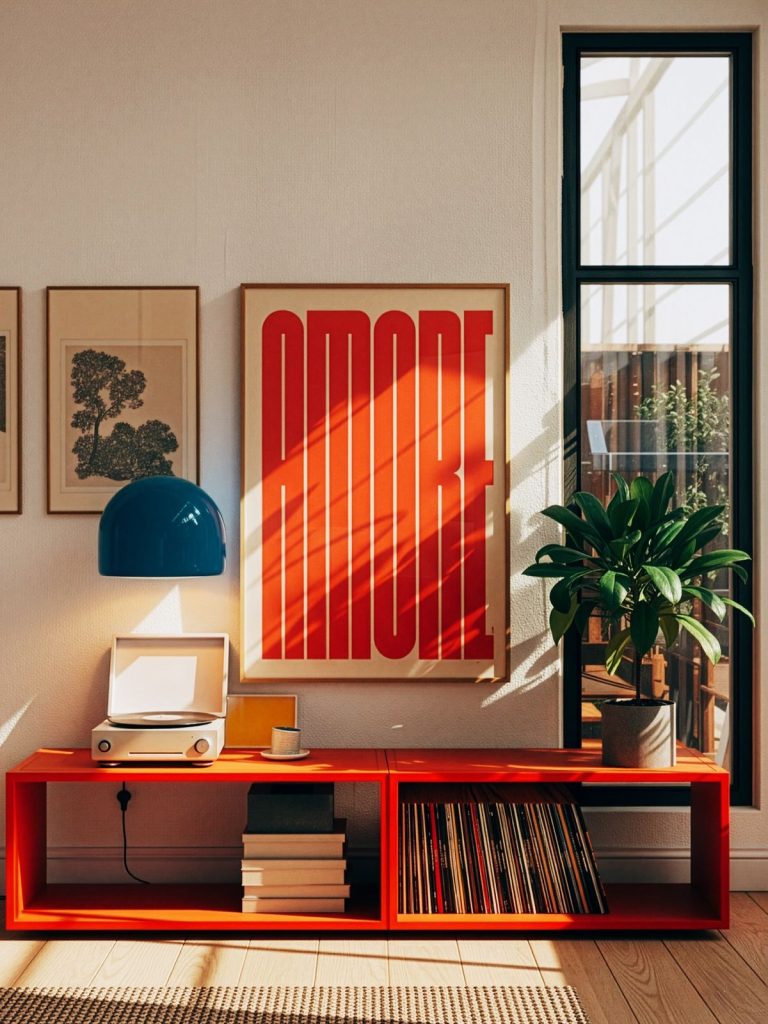
- For Concentration: Try scents like rosemary, peppermint, or grapefruit in your workspace. These aromas have associations with alertness and mental clarity. Use an essential oil diffuser for a light, consistent presence.
- For Deep Rest: Stick to lavender, chamomile, or cedarwood in the bedroom. Apply a pillow spray or light a natural candle thirty minutes before your bedtime routine begins. Blow it out before you sleep.
- Avoid Scent Clutter: The error people make is using too many different scents that compete with each other. Choose one signature scent for your living room, a different one for your office, and a third for your bedroom. This allows each aroma to hold a distinct emotional meaning.
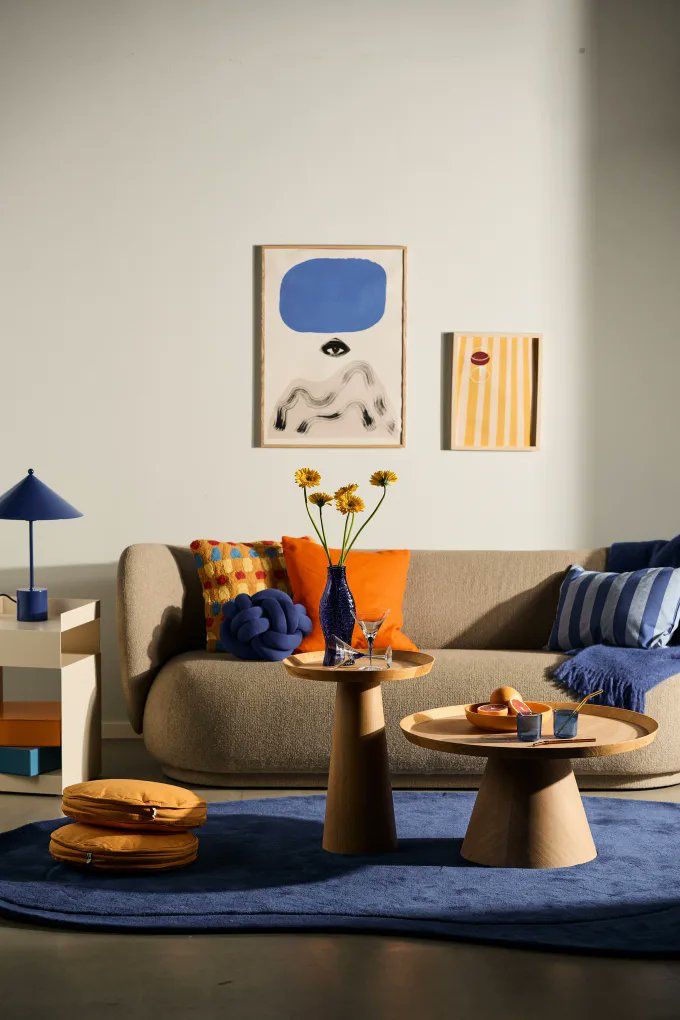
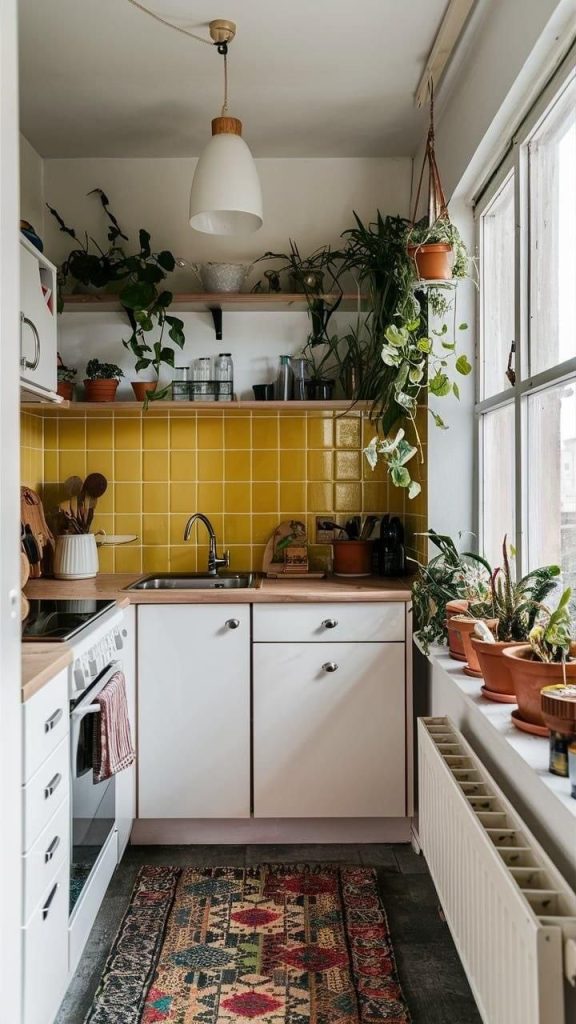
Bringing in living elements, like fresh flowers and houseplants, offers a final, essential layer to your sensory design. Flowers provide an immediate visual lift; their bright colors trigger feelings of happiness and vitality instantly. Plants, meanwhile, contribute structural support by naturally filtering the air and helping to soften acoustic echo in a room. Consider placing a small bouquet or a vibrant potted plant in your work area for a daily mood boost. Using large, leafy plants like ferns or palms in a living area helps promote a sense of calm and natural luxury. These living additions are more than decor; they actively enrich and calm your psychological environment.
Your Home Is Ready to Work for You
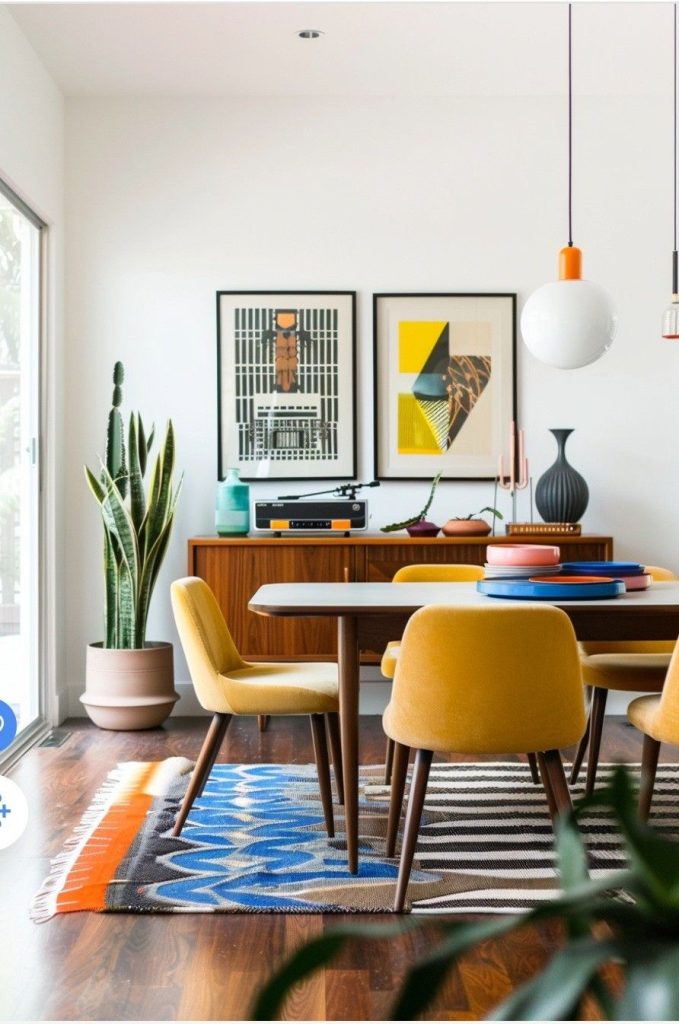
Your environment should actively support your goals. By tuning into the non-visual elements of light, sound, and scent, you stop decorating only for appearances and start designing for well-being. Try implementing one change today, maybe setting the right color temperature for your desk lamp or choosing a specific playlist for dinner prep. You will instantly feel the difference an intentional atmosphere makes.