10 African Women in Power
Black women have always been a force, in boardrooms, in politics, in the arts, and on the frontlines of change. Their contributions stretch far beyond the surface, rooted in generations of resilience, courage, and a deep sense of purpose. In a world that often tries to silence or overlook them, these women have claimed their space, lifted others as they climbed, and reshaped the definition of leadership. Here are ten extraordinary Black women in power who continue to inspire, transform, and lead with brilliance and boldness.
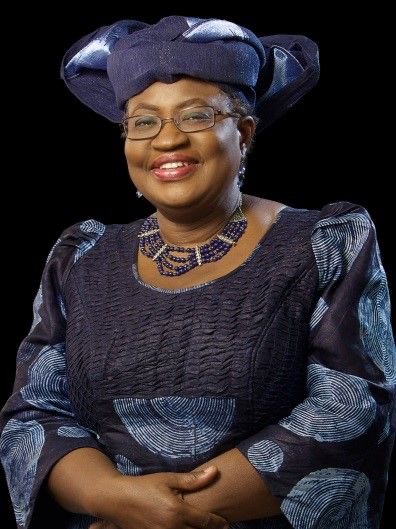
1. Ngozi Okonjo-Iweala Ngozi Okonjo-Iweala is the first woman and the first African to lead the World Trade Organization (WTO) as Director-General. With decades of experience as a development economist, including two terms as Nigeria’s Finance Minister, she has earned global respect for her sharp intellect, fierce integrity, and reformative strategies. Educated at Harvard and MIT, Okonjo-Iweala has been a voice for economic equity and sustainable development. Her leadership at the WTO is marked by a push for vaccine equity, fair trade rules, and a greater inclusion of developing nations in global economic decisions. She is a living reminder that intelligence, diplomacy, and African heritage are not mutually exclusive, they are powerfully complementary.
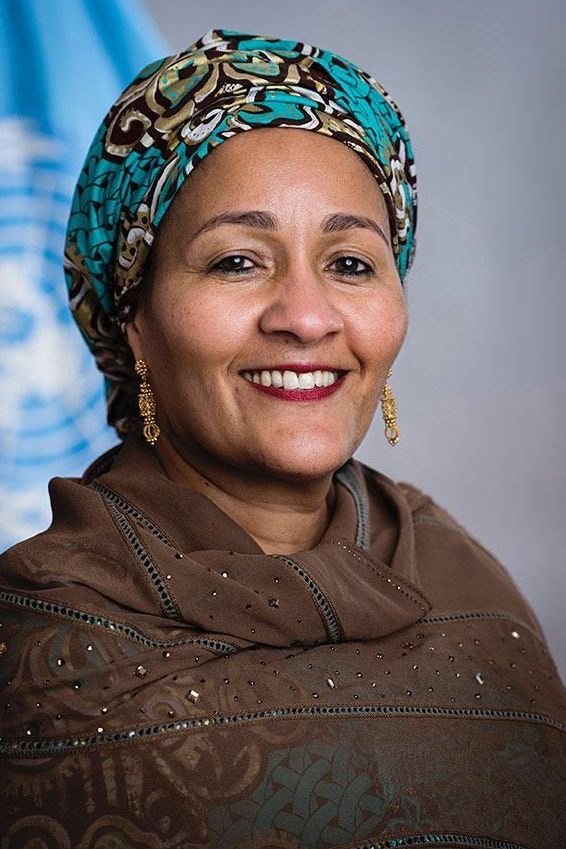
2. Amina J. Mohammed Amina J. Mohammed is one of the most influential African women in global diplomacy today. Born in Nigeria, she is currently the Deputy Secretary-General of the United Nations, the highest-ranking African woman in the UN system. Before this, she was Nigeria’s Minister of Environment, where she championed sustainable development, climate action, and environmental justice. Her work led her to play a key role in shaping the 2030 Agenda for Sustainable Development, a framework that is now the blueprint for a better world. She speaks boldly on behalf of the marginalized, advocating for gender equality, climate resilience, and education for girls. Her leadership is both compassionate and unapologetic, rooted in a love for Africa and a relentless commitment to justice.
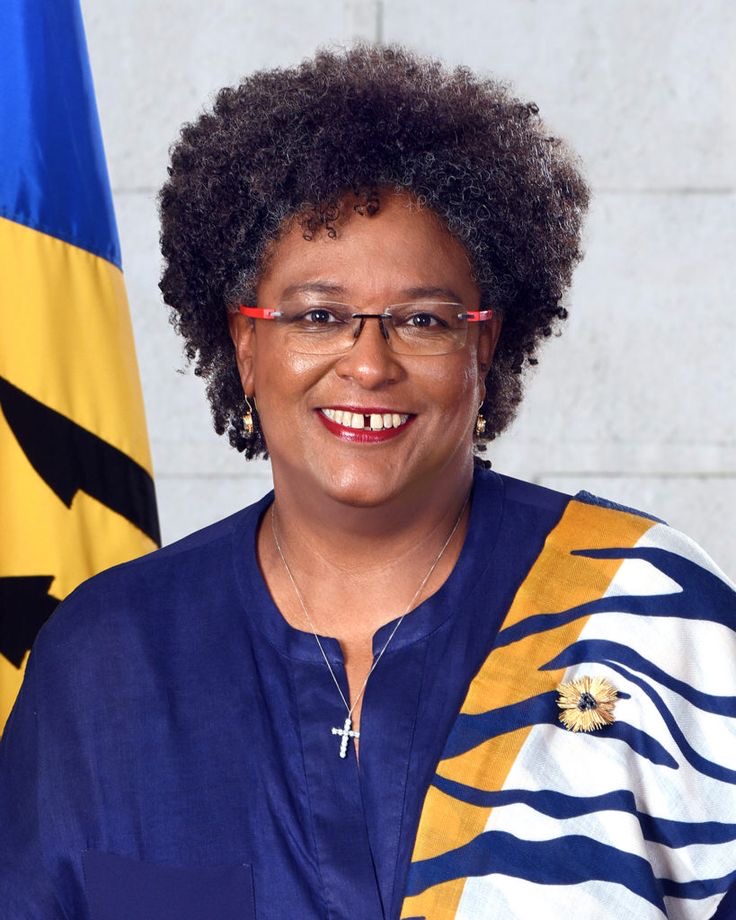
3. Mia Mottley Mia Mottley is the Prime Minister of Barbados and a powerful advocate for climate justice and Caribbean sovereignty. A gifted orator and policy visionary, Mottley has championed efforts to protect small island nations from the devastating effects of climate change. Her bold move to sever ties with the British monarchy and declare Barbados a republic in 2021 was a historic act of self-determination. Under her leadership, Barbados has become a voice for the voiceless on the world stage. Mottley’s leadership reflects an unshakable belief in freedom, dignity, and justice for her people, and for all underrepresented communities.
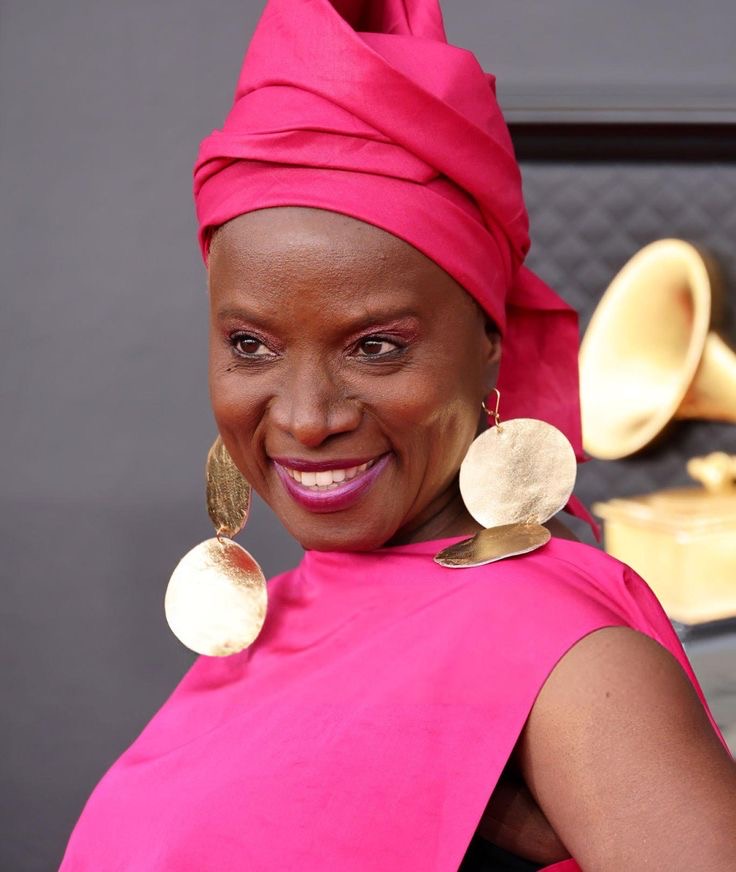
4. Angélique Kidjo Angélique Kidjo is a Grammy-winning singer-songwriter, she’s a living symbol of African excellence, resilience, and global influence. Born in Benin, Angélique has spent decades breaking barriers through music that fuses traditional West African rhythms with global genres like funk, jazz, reggae, and Latin influences. Beyond her stage presence and powerhouse vocals, she is a UNICEF Goodwill Ambassador, a fierce activist for girls’ education, climate justice, and African cultural pride. She founded the Batonga Foundation to support secondary education for girls in Africa and often uses her performances to amplify causes that matter. Angélique Kidjo has performed on the world’s biggest stages, from the Grammys to Carnegie Hall, yet she never lets the world forget where she comes from.
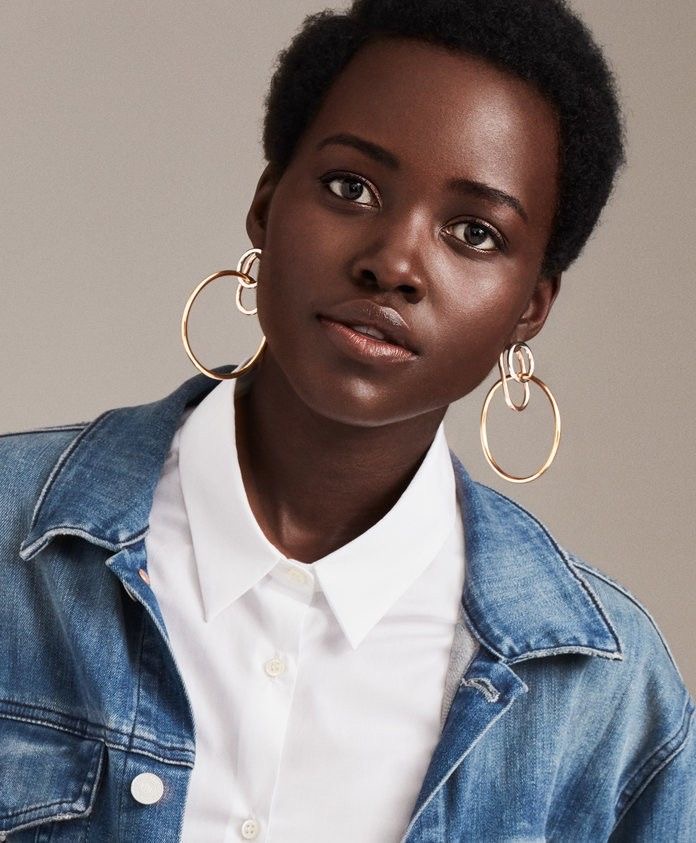
5. Lupita Nyong’o Lupita Nyong’o is an award-winning actress, she is a force of cultural power, grace, and unapologetic Blackness. Born in Mexico and raised in Kenya, Lupita shattered global barriers when she won the Academy Award for Best Supporting Actress in 12 Years a Slave, becoming the first Kenyan and Mexican to win an Oscar. Lupita has used her platform to speak openly about colorism, African identity, and self-worth, especially for dark-skinned girls who rarely see themselves celebrated in mainstream beauty. Her children’s book Sulwe became a New York Times bestseller for the way it spoke healing into that space, teaching young girls that their melanin is magic, not something to hide.
6. Ava DuVernay Ava DuVernay is one of the most influential filmmakers and storytellers of our time. From Selma to 13th to When They See Us, she uses film to confront injustice and elevate underrepresented voices. As the first Black woman to direct a film nominated for Best Picture at the Oscars, DuVernay has shattered barriers in Hollywood. But she is a director and she is a changemaker, founding ARRAY, a distribution company dedicated to amplifying diverse creators. Her work is a masterclass in purpose-driven storytelling, and her success proves that authenticity and artistry can change both hearts and systems.
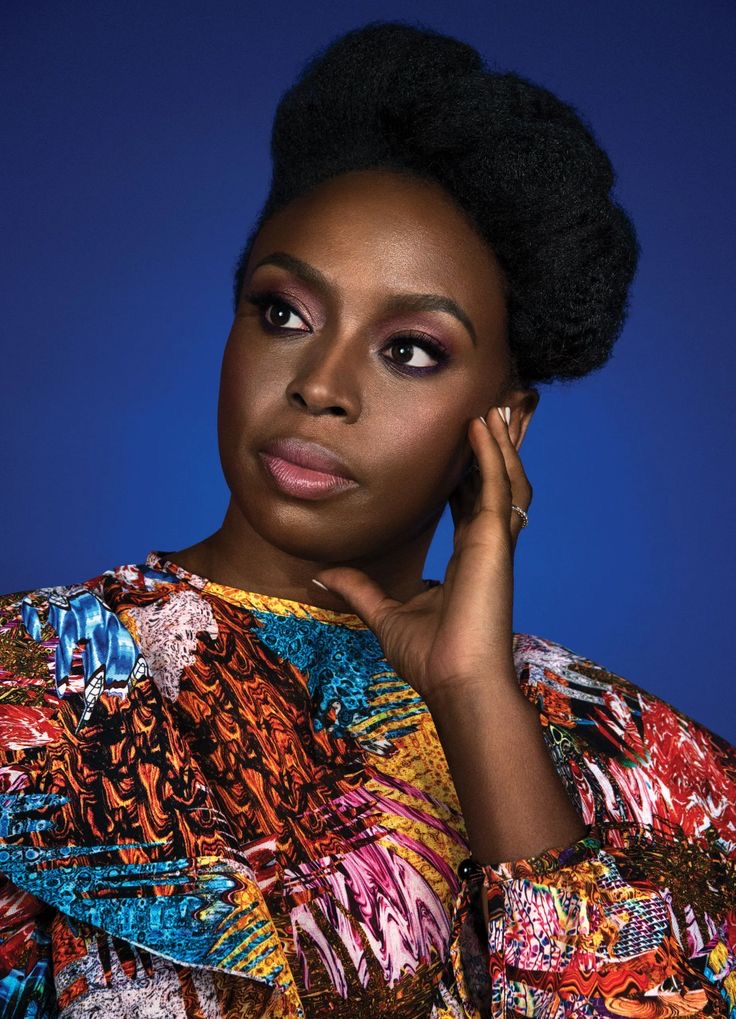
7. Chimamanda Ngozi Adichie Chimamanda Ngozi Adichie is a Nigerian author whose voice has redefined global literature. Known for her novels Half of a Yellow Sun, Americanah, and the acclaimed TED talk “We Should All Be Feminists,” Adichie combines lyrical writing with piercing social commentary. Her work explores themes of identity, gender, post-colonialism, and migration with profound elegance. Adichie is not only a literary powerhouse, she is a cultural icon who challenges stereotypes and demands nuance in how we view Africa, feminism, and the modern woman. Her words are both comfort and challenge, reminding Black women that their stories are worthy of being told and heard.
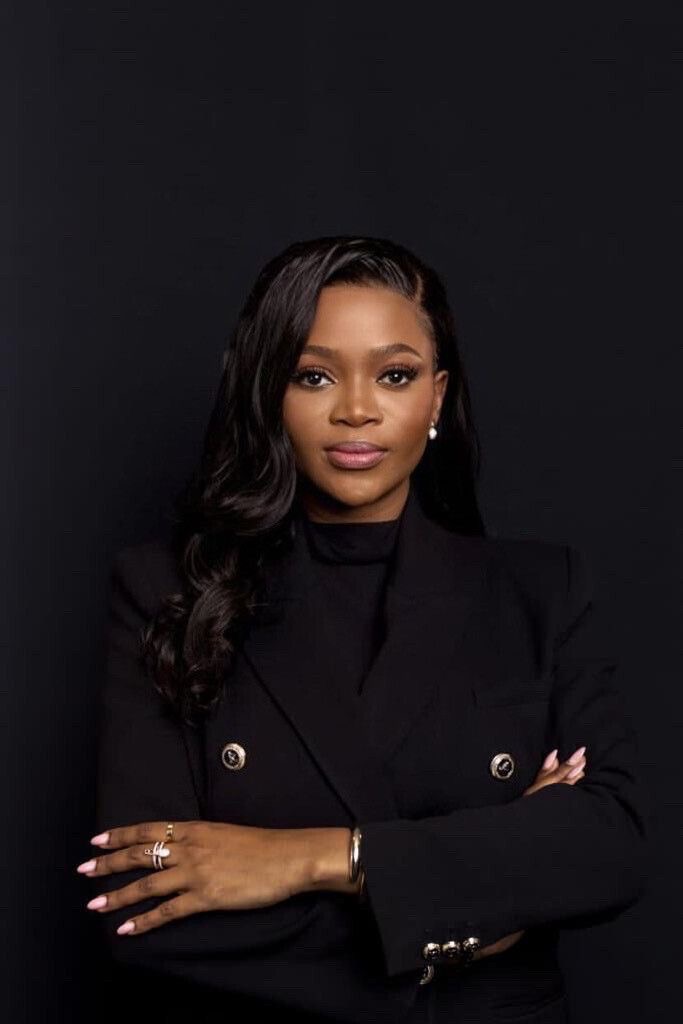
8. Bogolo Kenewendo Bogolo Kenewendo is a trailblazing economist and policymaker from Botswana, known across the continent for her bold and progressive approach to development. At just 30 years old, she made history as Botswana’s youngest cabinet minister when she was appointed Minister of Investment, Trade, and Industry. But her age never defined her, her brilliance did. With a background in economics from the University of Sussex and the Mandela Washington Fellowship under her belt, Bogolo has long been a voice for inclusive growth, youth empowerment, and the economic rise of Africa through innovation. She uses her global platform to challenge outdated systems and speak up for a new era of African leadership: one that is ethical, creative, and rooted in equity. Now serving as the Special Advisor to the UN Climate Change High-Level Champions, she continues to influence policy at a global scale, advocating for sustainable investment and economic transformation.
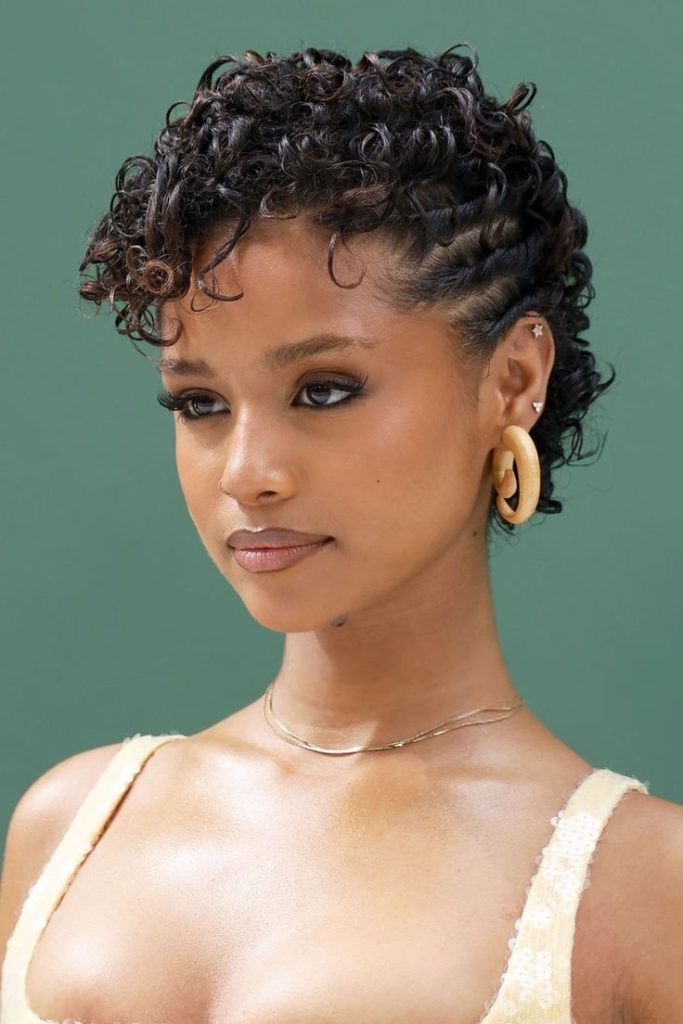
9. Tyla Tyla Laura Seethal, known to the world simply as Tyla, is the South African superstar rewriting the global music map, on her own terms. Hailing from Johannesburg, Tyla isn’t just making music; she’s making history. With her viral hit “Water,” she became the youngest African artist to win a Grammy, and the first South African soloist in decades to dominate global charts in this way. But beyond the numbers, what Tyla represents is power: the power of authenticity, of cultural pride, of being young, Black, and fearless. She blends amapiano with R&B, pop with heritage, and softness with strength.
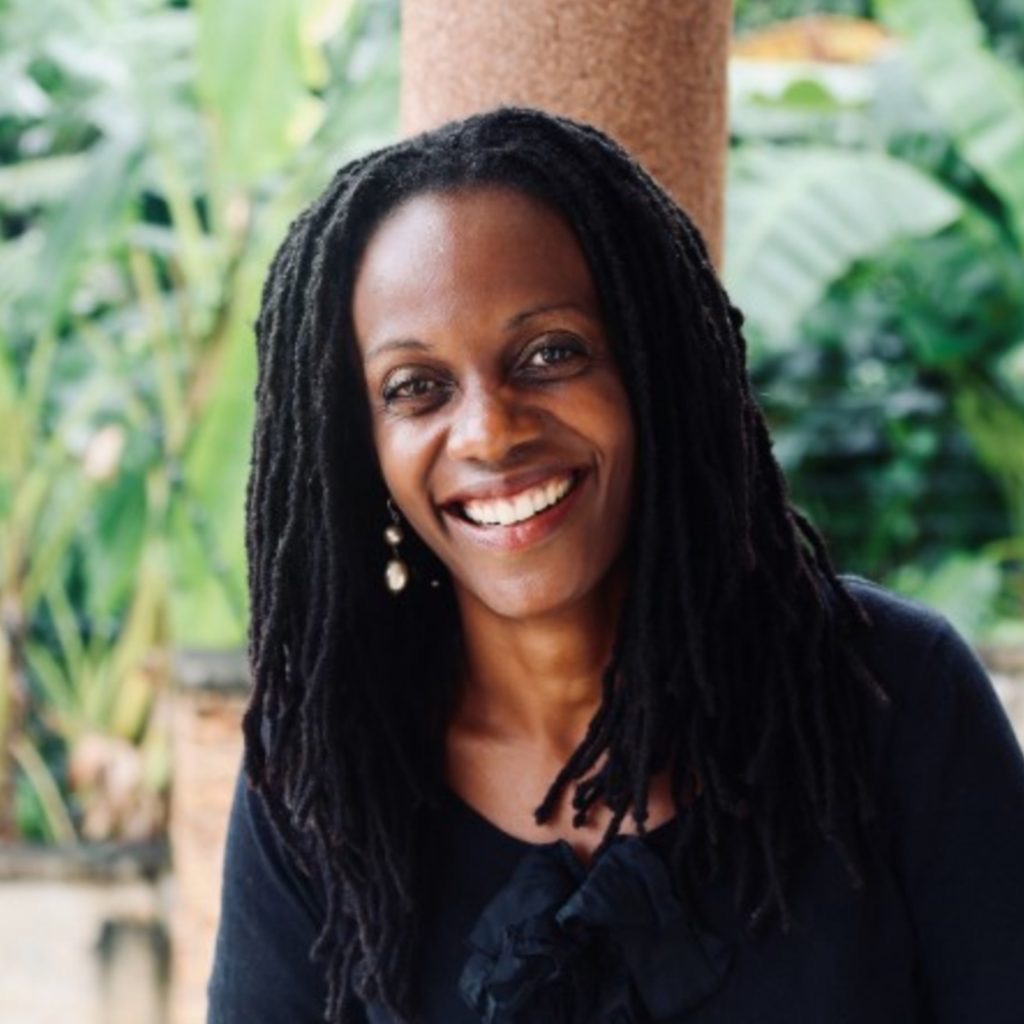
10. Dr. Catherine Nakalembe Dr. Catherine Nakalembe is a Ugandan scientist using space technology to transform African agriculture, and save lives. As the Africa Program Director at NASA Harvest, she leads teams using satellite data to help farmers, governments, and humanitarian agencies predict droughts, monitor crop health, and prepare for food crises before they spiral out of control. Her work bridges high-level science and the everyday struggles of millions across the continent. She travels to remote regions, listens to farmers, and brings their realities into data labs that once ignored them. In 2020, she won the Africa Food Prize, one of the highest honors in the agricultural world, for her revolutionary work.
Conclusion
These ten women, and countless others, are redefining power. They are shaping nations, industries, movements, and mindsets. Their paths are not easy, and their work is often doubly challenging because of the intersecting weights of race and gender. But they persist, they shine, and they lead.
To every Black woman reading this: you are part of this legacy. Power is not something you wait for. It’s something you carry within you, something you build, something you pass on. The world needs your voice, your brilliance, your vision. So rise, because power was never about permission. It’s always been yours.