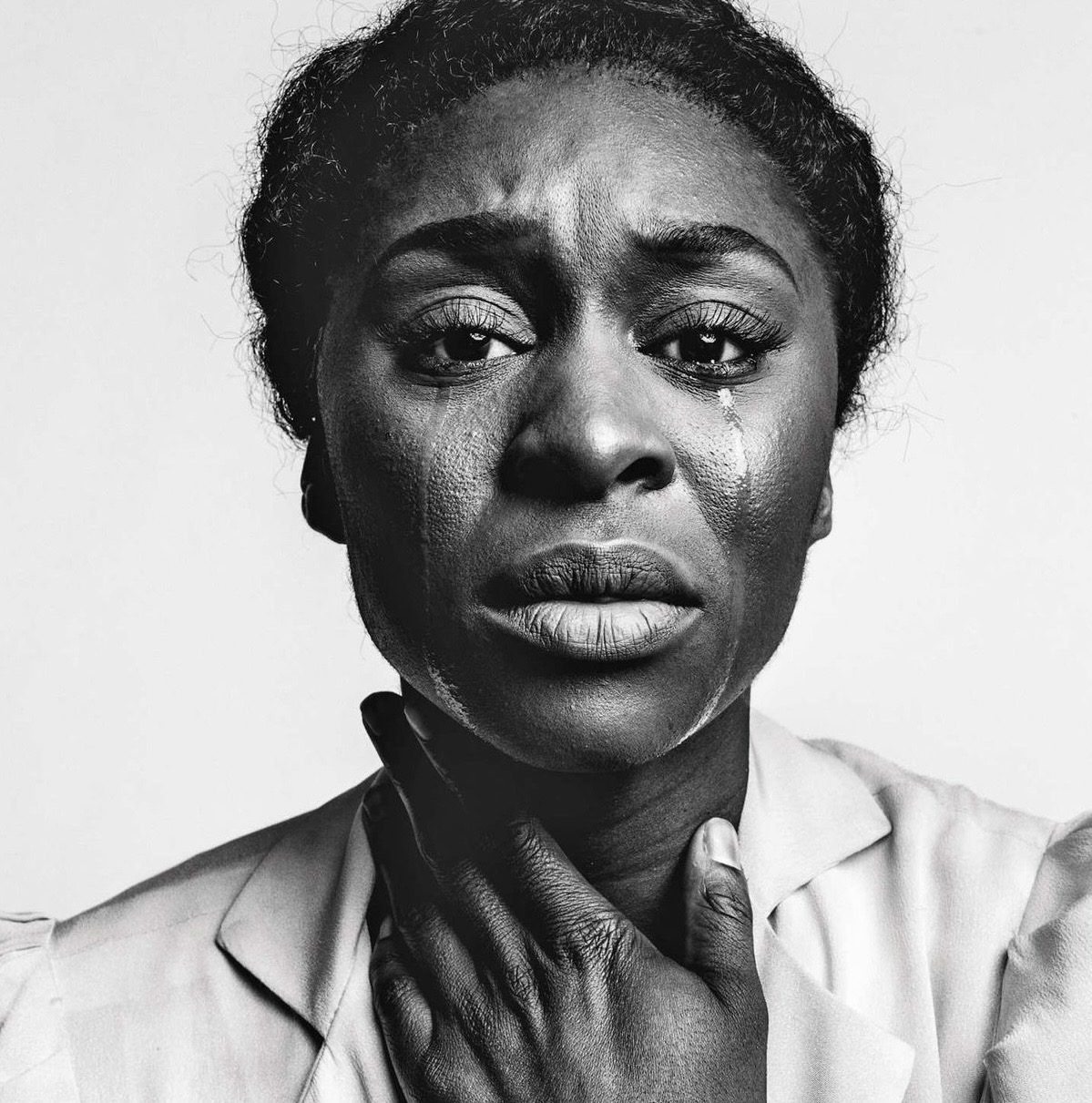
The Unseen Crisis: Combatting Gender-Based Violence Against Black Women
It is extremely heartbreaking the number of black women that are abused, assaulted, raped and killed every day. Women are not safe anywhere, they are not safe at work, school, public bathrooms, church, not even in prison. They’re not safe in public places or even in their own home, they are not safe with friends or family. They are not safe walking alone at night but they’re also not safe in their bed at night. It is so sad that women are not safe even after death. In several countries, parents have resorted to locking their children’s graves because men working in graveyards have been found desecrating the bodies of deceased women and children.
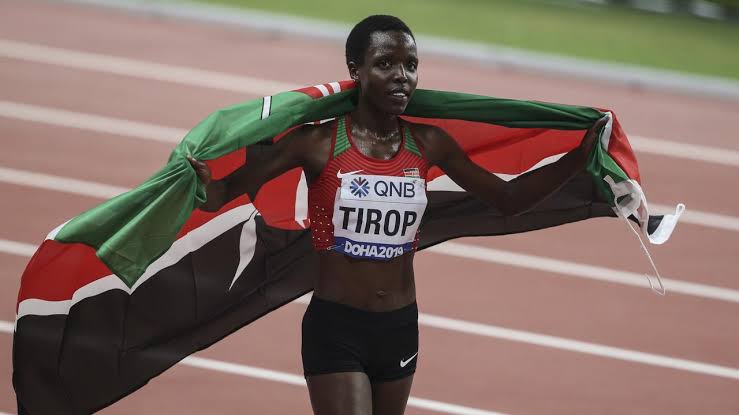
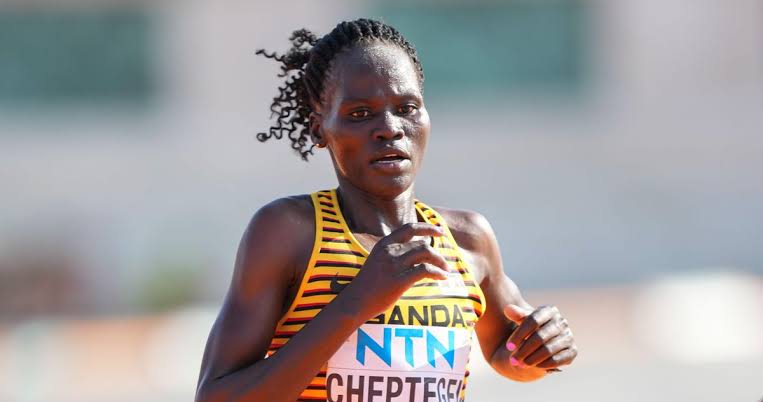
The examples of brutality are numerous and deeply shocking. In Kenya, Ugandan Olympian Rebecca Cheptegei was set on fire by her ex-boyfriend outside her home after returning from church, a place where she sought peace and safety. Female athletes are celebrated as role models for breaking barriers and inspiring other women, with their success stories, such as Agnes Tirop’s world record achievements, symbolizing transformation and empowerment. However, the tragic deaths of athletes like Tirop—stabbed by her boyfriend—and Damaris Muthee Mutua, found dead in her home in Iten, underscore a disturbing trend of gender-based violence. These incidents highlight the urgent need to address and raise awareness about violence against women in Kenya.
South Africa has witnessed tragedies like the murder of Yolanda Bianca Khuzwayo, a pregnant police officer who was stabbed to death in her apartment by her boyfriend, who even took photos and videos of her as she lay dying. Another South African woman, Khanyisile Mndayi, was stabbed 20 times in front of her children by her partner. A one-year-old little girl was raped at a daycare facility in Newlands East, Durban. These acts of violence are not isolated; they are part of a global pattern of cruelty and disregard for the lives of women.
In Nigeria, a 14-year-old girl, Mercy Vangervihi, was brutally raped by a 15-year-old boy named Goodluck Bison. He broke into her home, beat her, and violated her as she lay helpless in bed. In Ethiopia, seven-year-old Heaven was raped, mutilated, and killed by her mother’s landlord. The murder is beyond comprehension. Her attacker, Bahir Dar, raped her to the point that her spinal cord was exposed, poured sand down her throat to silence her screams, and then strangled her. As if that wasn’t horrifying enough, he mutilated her body afterward to make it appear as if her death was an accident.
In Congo, the scale of violence is staggering. It is estimated that 48 women are raped every hour. These assaults are carried out by armed groups, gangs, and even government and police forces. Many of these victims are children and infants. The sheer magnitude of sexual violence in Congo is a damning indictment of systemic failure and societal apathy toward the plight of Black women.
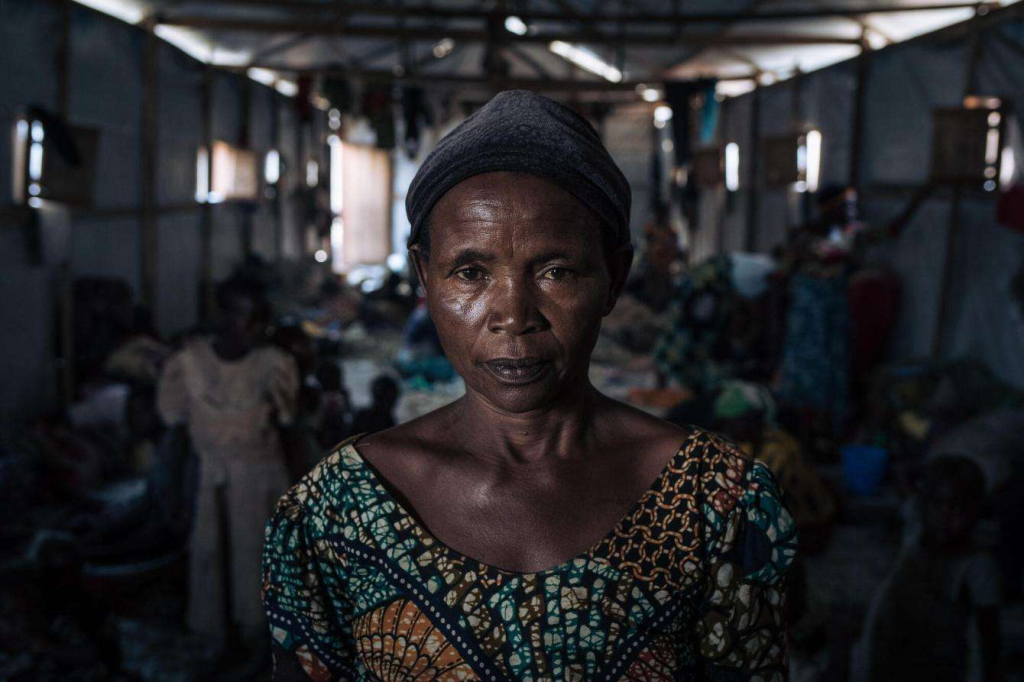
The world is witnessing an epidemic of violence against women, particularly Black women, whose stories often go untold or ignored. Every day, these women face unimaginable horrors in places where they should feel safest. Black women are not safe, and the world has a moral obligation to act now.
Kotoria
Editor In Chief
Czarina Magazine
A Global Crisis of Silence and Fear
Sexual violence against Black women is a global crisis that is not confined to physical boundaries. Nearly one in three African women has experienced sexual violence in her lifetime. The psychological scars are deep, as many women in silence. Countless Black women remain trapped in abusive relationships, too afraid to speak out due to fear of retaliation, shame, or systemic racism that undermines their voices. For every Black woman who reports rape, at least 15 more do not. Many fear not being believed, while others worry about the consequences of coming forward in a world that has historically failed to protect them.
The sad reality is that Black women who do report their assaults are less likely to be taken seriously, compared to women of other races. This lack of belief in their stories often leads to their attackers receiving lenient sentences—or none at all. The justice system’s failure to hold these perpetrators accountable perpetuates a vicious cycle of violence, further emboldening abusers and leaving women vulnerable.
Femicide: The Epidemic of Murdered Women
Femicide—the gender-based killing of women—remains a rampant issue, with Black women disproportionately affected. The tragic deaths of Rebecca Cheptegei, Yolanda Bianca Khuzwayo, and Khanyisile Mndayi are just a few examples of how intimate partner violence often escalates to murder. Across the continent and beyond, women are losing their lives at the hands of those who claim to love them. These women are silenced in the most brutal way, yet their stories are often overshadowed, their names forgotten in a world that continues to devalue Black women’s lives.
Uniting Against Gender-Based Violence
This is why it is critical that we come together, not just as nations but as a united front against gender-based violence and femicide. Black women need to be protected, respected, and supported. It is not enough to simply talk about the issue; real change is needed. Governments must implement stricter laws to protect women, while law enforcement and judicial systems must ensure justice is served for those who commit these heinous crimes. Support systems for survivors must be robust, and communities must actively work to dismantle the cultures of misogyny and violence.
Many women around the world suffer silently, many women are in abusive relationships, many women are afraid. This is why we need to come together as a continent and unite against gender-based violence and femicide. Let us strive for equality, stand together and protect WOMEN!
Kotoria
Editor in Chief
Czarina Magazine