The Pressure to Look Expensive: Who Are We Trying to Impress?
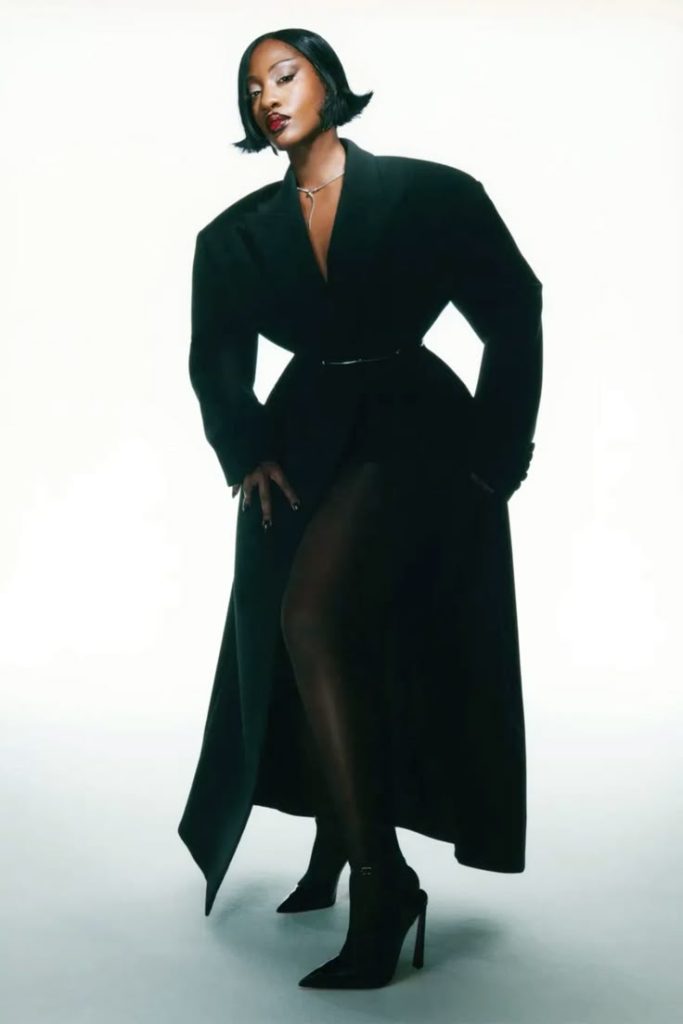
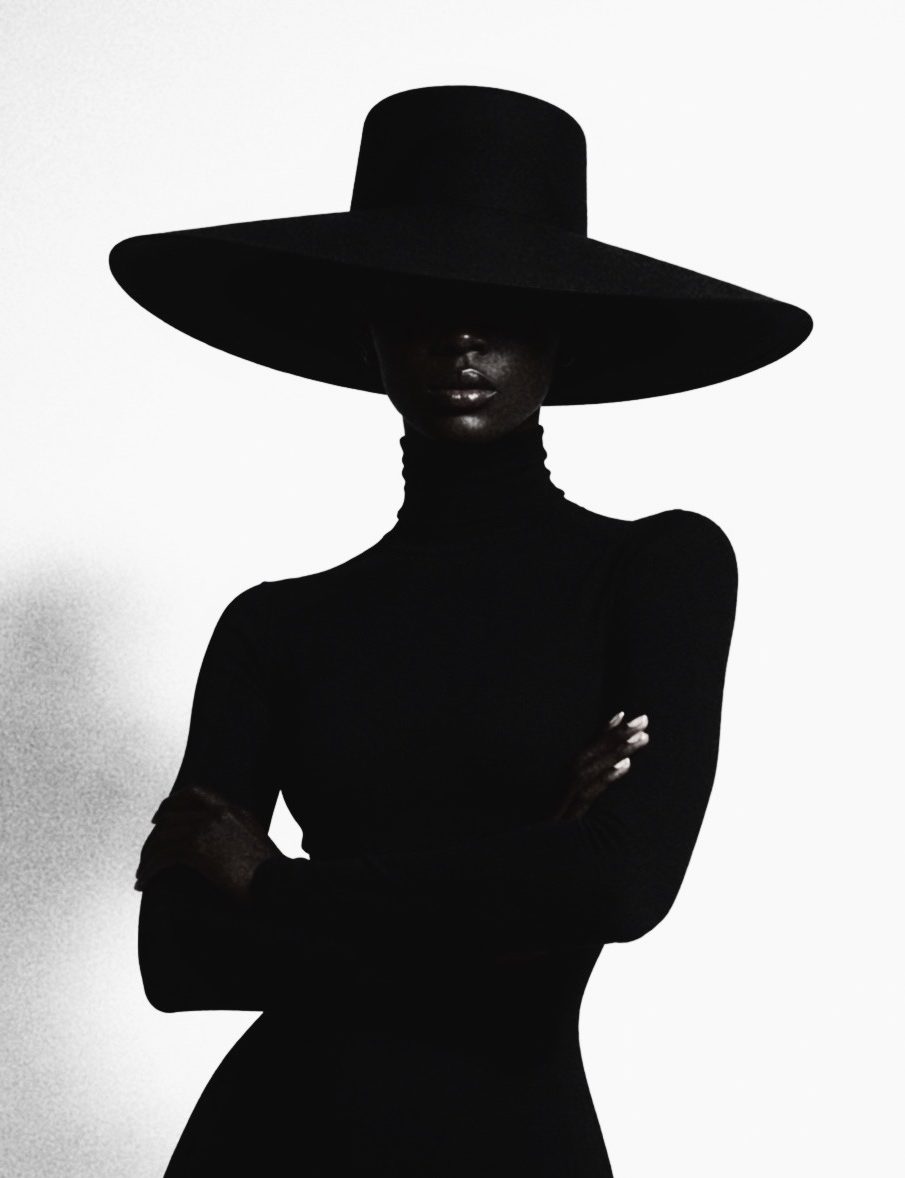
Modern social environments place an immense amount of pressure on individuals to maintain a specific visual standard of wealth. This “rich aesthetic” dominates digital platforms, where every outfit and accessory must signal a high level of financial success. The obsession with designer labels has moved beyond appreciation for quality. Instead, luxury items are a required uniform for those seeking social validation. Many people feel a constant need to prove their worth through the brands they wear, creating a culture where the appearance of money carries more weight than actual financial stability. This environment creates a distorted reality where individuals prioritize the perception of wealth over the accumulation of actual assets.

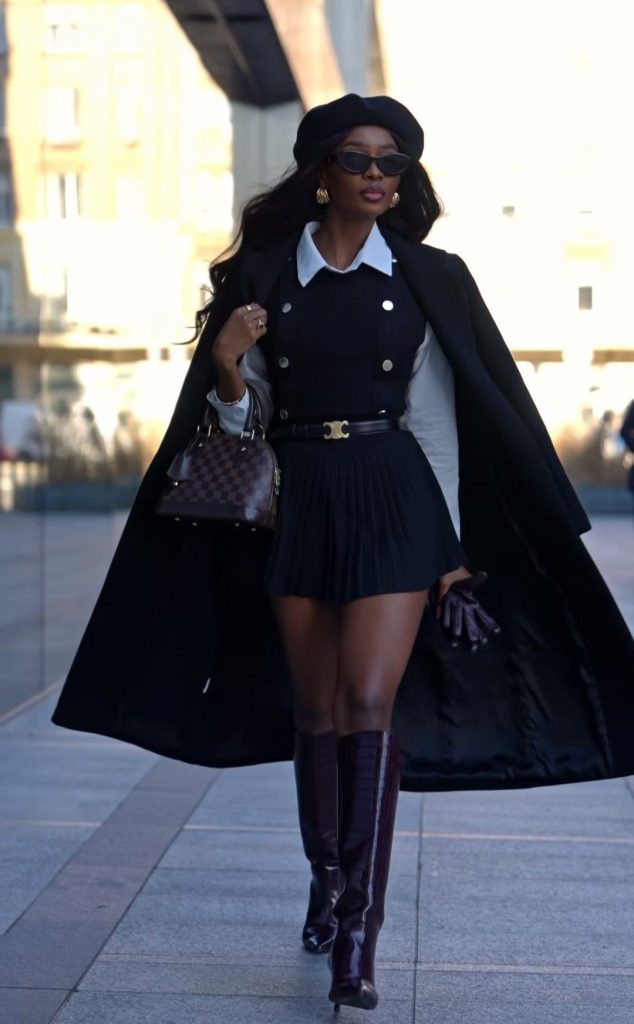
The rise of fake luxury goods proves how desperate this cycle has become. The global market for counterfeit products has reached hundreds of billions of dollars, driven by individuals who fear being seen as average or falling behind their peers. This behavior stems from a deep insecurity regarding one’s place in the social hierarchy. When an individual sees another woman carrying a specific designer bag, a feeling of jealousy often takes hold. This envy triggers a desire to possess the same item, regardless of the cost or the personal debt required to acquire it. The goal is no longer about personal style. The focus remains entirely on matching the perceived status of others. The prevalence of “super fakes,” high-quality replicas, allows people to participate in a lifestyle they cannot afford, further blurring the lines between genuine success and strategic performance.
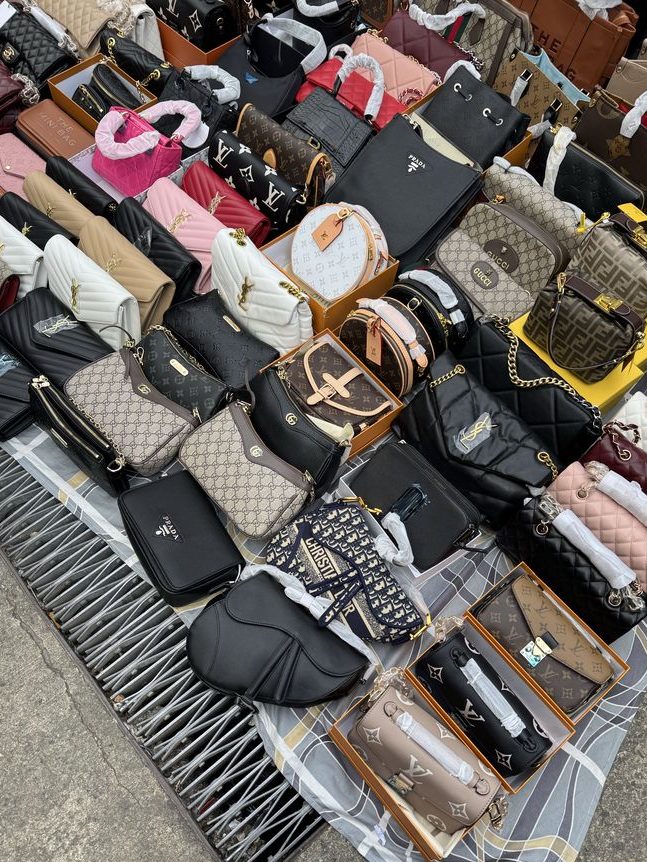
This jealousy creates a toxic environment among women. Instead of finding inspiration in each other’s successes, many fall into the trap of comparison. You might find yourself wanting an expensive watch or a pair of heels because a person on your feed looks good or “expensive” in them. This desire often lacks any connection to your actual tastes. You want the item because it represents a level of life you feel you lack. This constant reaching for the next status symbol ensures that you never feel satisfied with what you already own. It turns the act of dressing into a competitive sport where the prizes are temporary and the stakes are emotionally draining.

The financial reality of this lifestyle remains hidden behind filtered photos. Many individuals who appear to live in luxury are actually struggling to keep up with the high costs of their own image. They prioritize the purchase of a logo over their own savings or future security. This choice shows a great misunderstanding of what true wealth looks like. Real financial freedom involves a level of peace that requires no public display. By chasing the “rich aesthetic,” people often trap themselves in a loop of spending that prevents them from ever achieving genuine prosperity. Statistics on consumer debt often reflect this trend, showing that a significant portion of luxury spending comes from middle-income earners who are stretching their resources to maintain appearances.

Social media is a catalyst for these feelings of inadequacy. The constant stream of curated lives makes a person feel as though they are the only ones not living in a five-star hotel or wearing head-to-toe couture. This digital mirage hides the effort, the debt, and the stress that often go into maintaining such a facade. You end up trying to impress strangers who are also struggling to impress you. This mutual performance drains your bank account and your mental energy. The “algorithm of envy” ensures that as soon as you acquire one coveted item, your feed presents ten more that you still lack, keeping you in a permanent state of perceived deficit.
The psychological impact of this constant comparison leads to a fragmented sense of self. When your wardrobe is a collection of items meant to impress others, your personal identity becomes a secondary concern. You begin to value yourself based on the reactions of your followers rather than your internal character. This externalized self-worth is incredibly fragile, as it relies on the shifting trends of a fickle fashion industry. The moment a brand loses its “cool” factor, the sense of security derived from owning it vanishes.
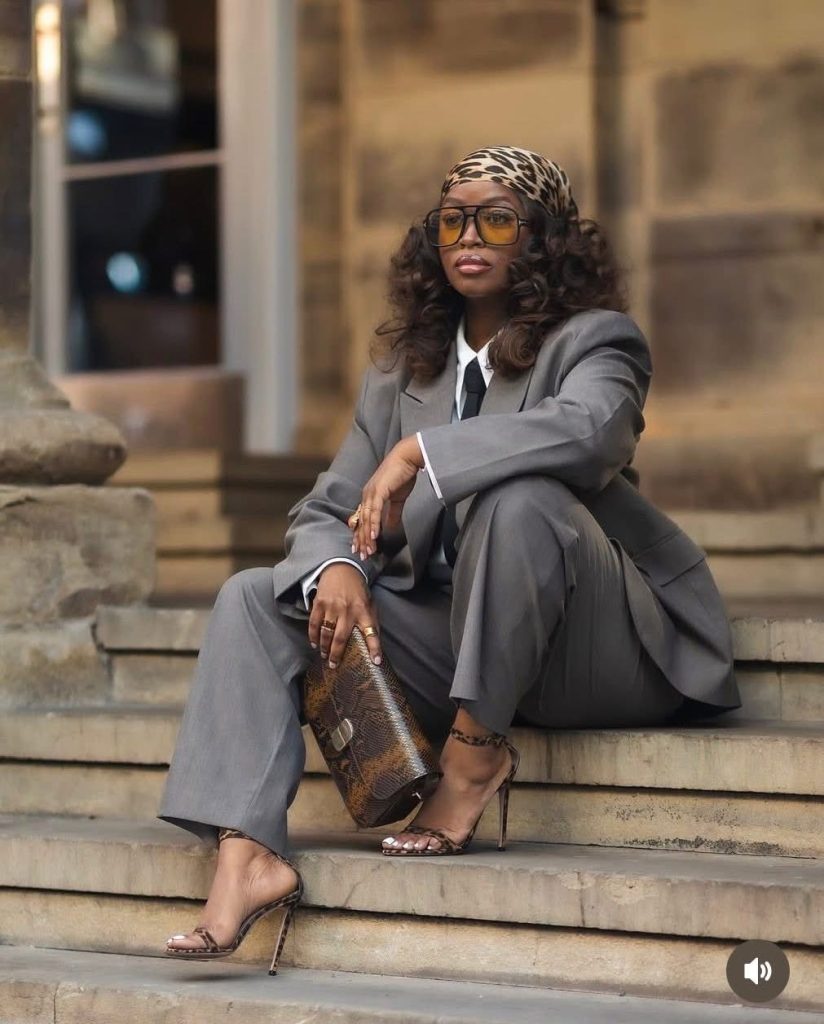
Breaking free from this pressure requires a radical shift in values. You must acknowledge that your value as a person has zero connection to the price tag on your clothes. True confidence comes from a place of self-assurance that exists without the validation of a designer logo. When you stop trying to look expensive, you gain the freedom to actually be yourself. You can choose items based on comfort and personal preference. This shift allows you to invest your money in experiences and assets that provide long-term fulfillment instead of short-term social points. You begin to build a life that is functionally wealthy, focusing on investments that appreciate rather than garments that lose value the moment they leave the store.
The cycle of wanting what others have only ends when you decide to stop looking at their lives as a benchmark for your own. Envy is a thief of joy that thrives on the belief that someone else’s possession makes your life less valuable. Reclaim your peace by focusing on your own path. A life lived for the approval of others is a heavy burden to carry. By letting go of the need to look “rich,” you open up space for a life that is actually wealthy in the ways that count: health, relationships, and true contentment. The ultimate luxury is the ability to exist without the need for anyone else’s approval, a state of mind that no designer brand can ever provide.