

Powerful Portraits Of Accused ‘Witches’ In Ghana By Photographer Eric Gyamfi, Showcase Women’s Strength
In Western pop culture, the term “witch” often conjures images of powerful and resilient women, characters like Sabrina with her wry eye rolls, Hermione fighting for social justice, or practitioners of 1970s Paganism crafting potions and chanting. However, there is a stark contrast in the perception of witches in the small society of Gambaga, a camp in Ghana that houses women accused of witchcraft. For these women, the label is not a symbol of empowerment but a harsh reality that has severed their connections to family, community, and security.
The Gambaga camp, established over 200 years ago and still in use today, houses around 130 women, all of whom have been branded as witches by their communities. The accusations range from becoming widows to having young family members fall ill. For these women, the notion of being a witch is not a whimsical archetype; it’s a label that has deeply impacted their lives.
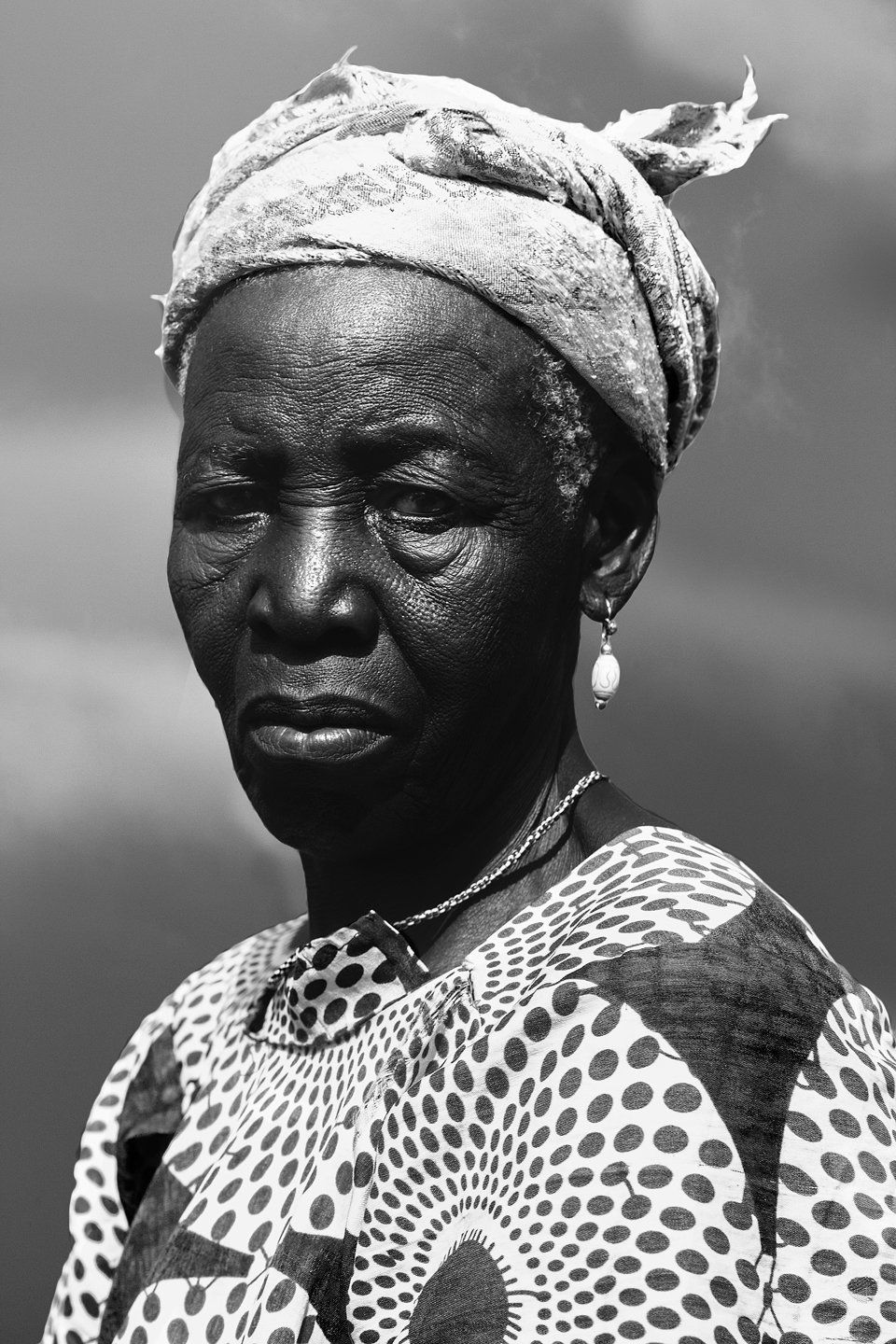
Photographer Eric Gyamfi, inspired by his encounters with this small society in grade school and later in an African studies course, embarked on a journey to Gambaga. His mission was to gain firsthand insight into the lives of the women living in the camp. “I wanted to find out things for myself,” Gyamfi explained. “To see and listen directly from the people involved.”
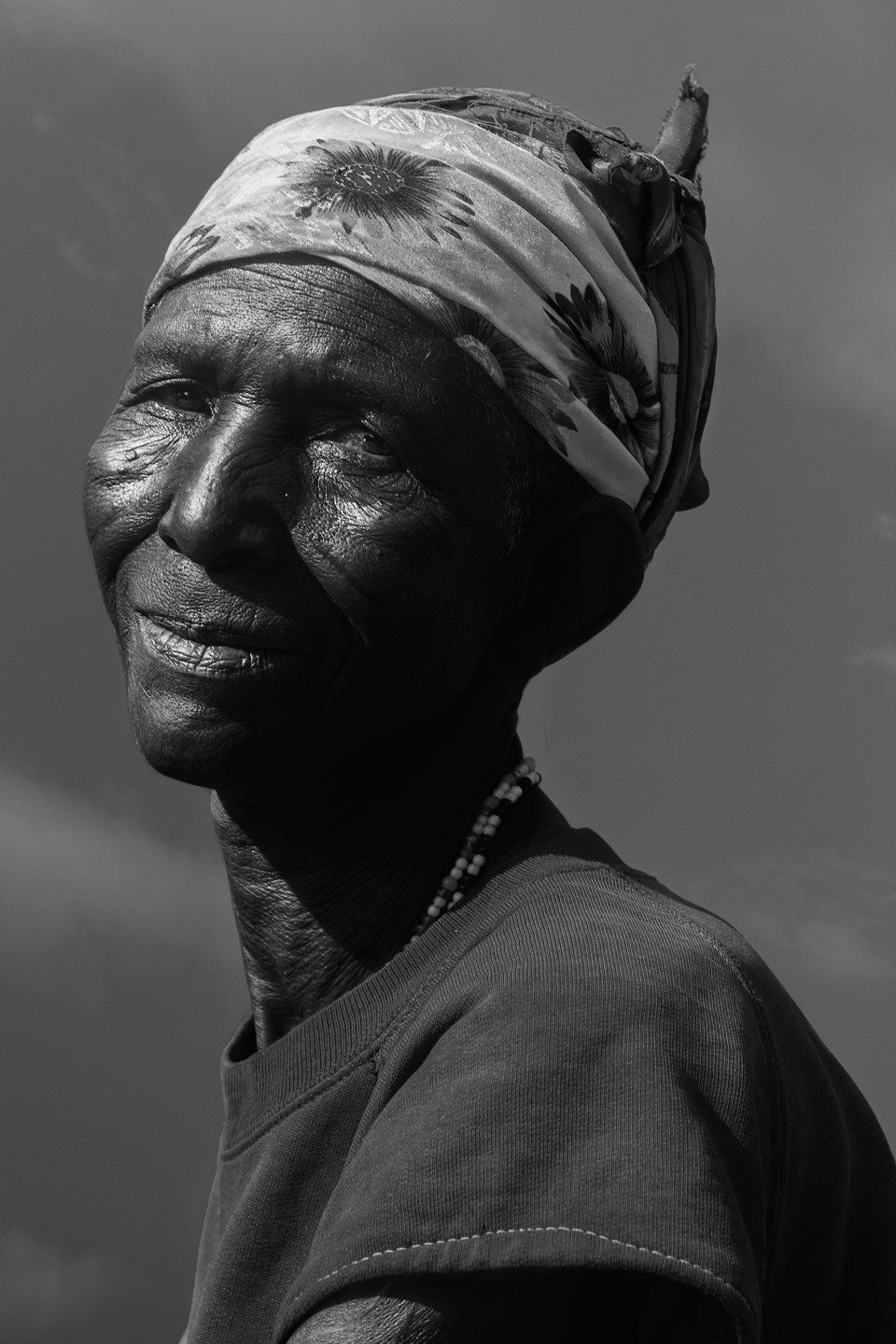
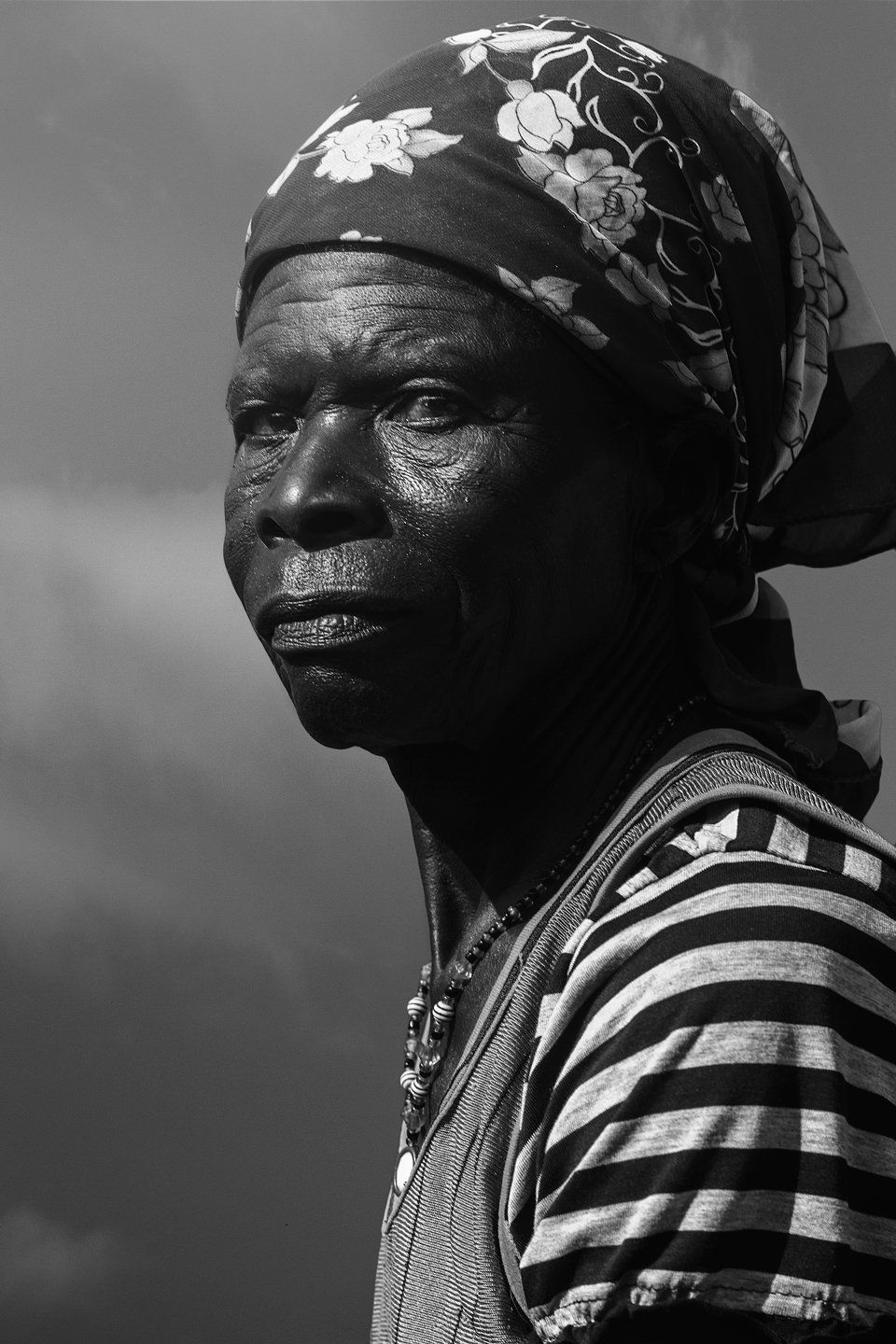
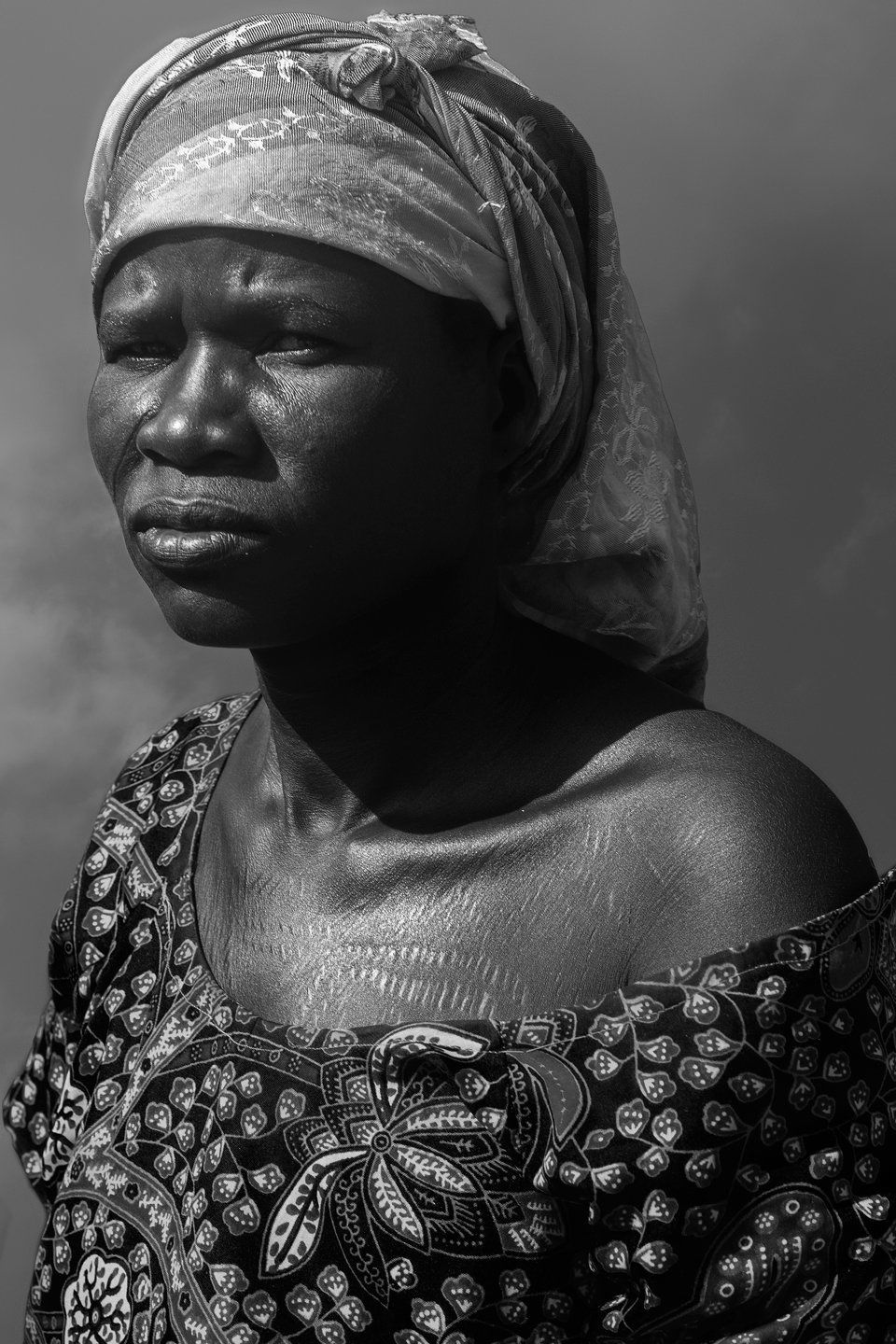
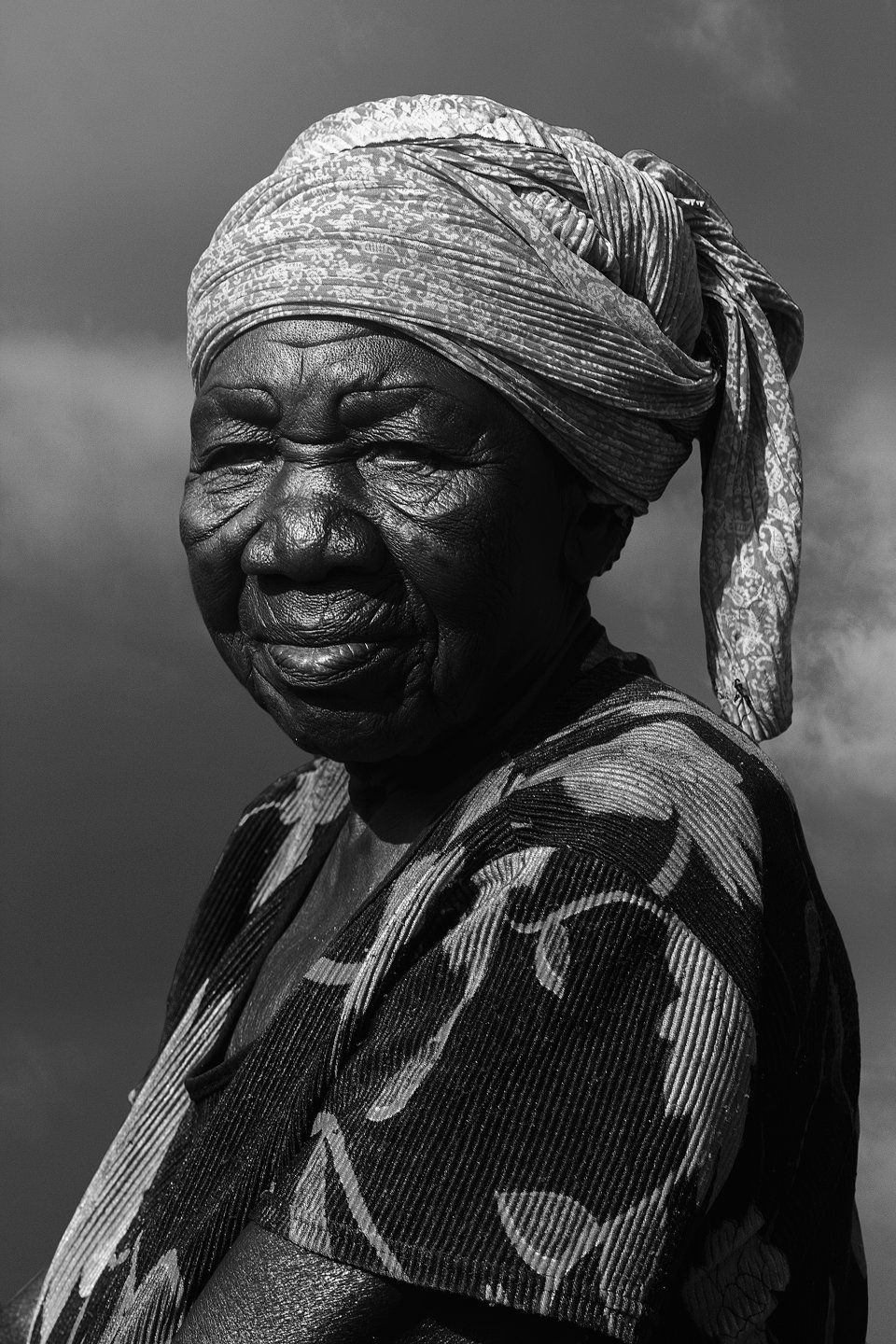
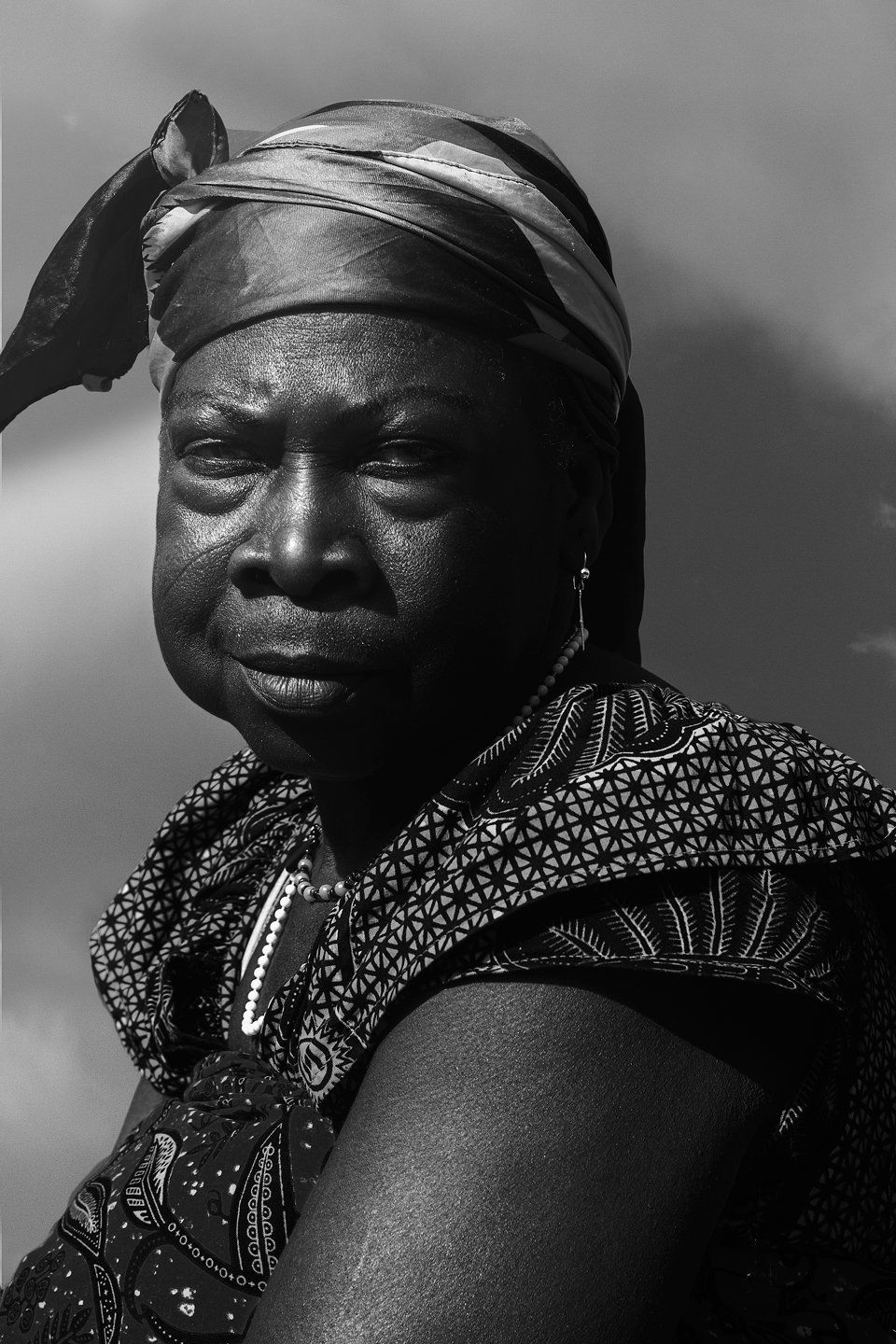
Upon reaching the East Mamprusi District, Gyamfi met with the camp’s chief, Yahaya Wuni. Visitors to the camp undergo thorough questioning before being granted access, accompanied by one of the chief’s daughters or trusted subjects. Gyamfi emphasized his intention to photograph the women in a way that reflected the dignity and humanity he would afford his own grandmother. “I want the viewers to possibly ask, ‘Where are the witches?'” he expressed.
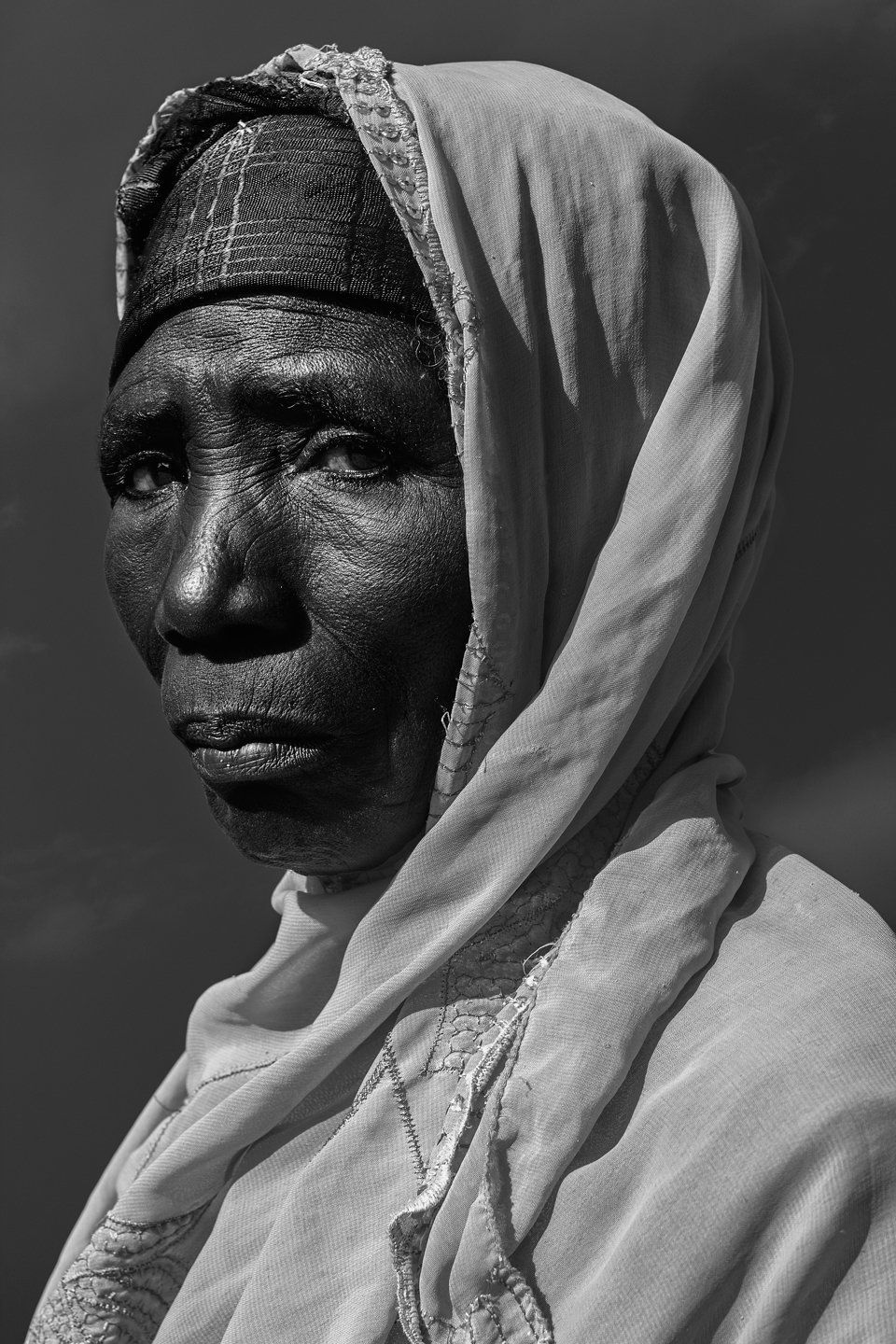
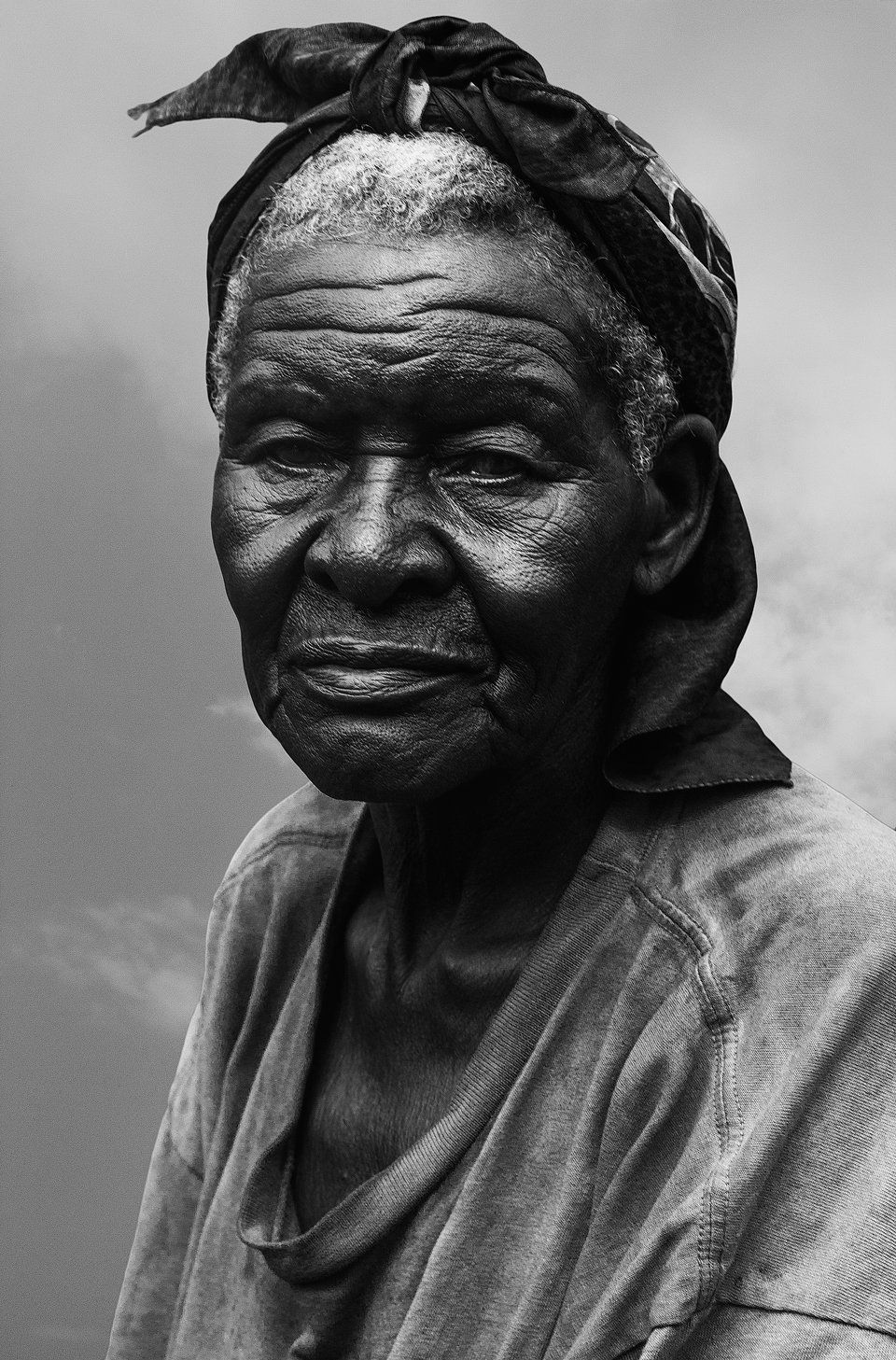
Through his lens, Gyamfi captures the resilience and humanity of the women in Gambaga. His photographs tell a story of strength, challenging the preconceived notions associated with the word “witch.” Instead of depicting malevolence or supernatural powers, Gyamfi’s images portray the everyday struggles and triumphs of these women who have faced societal rejection.
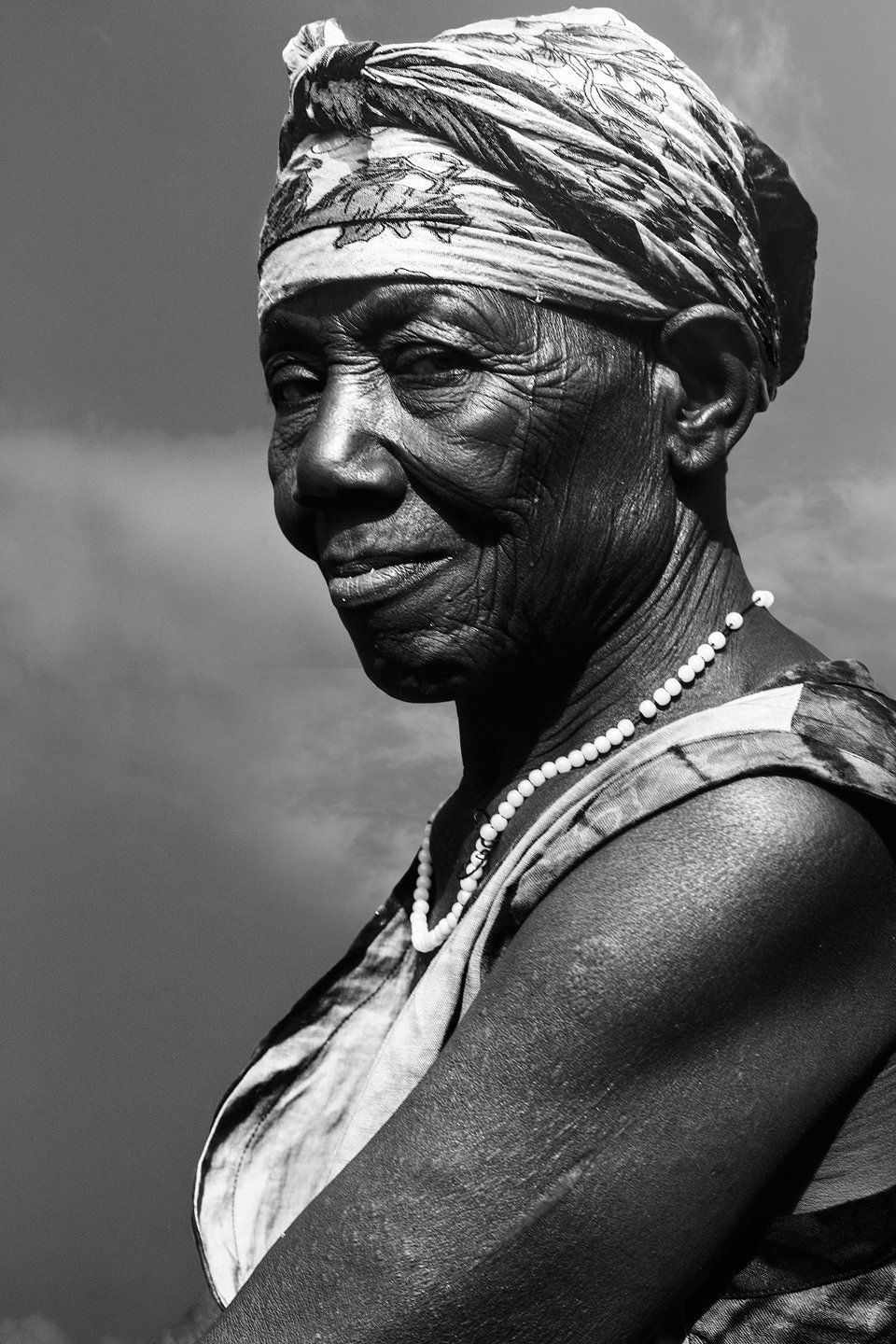
To this end, he shot close to subjects’ faces, capturing the soft ridges of wrinkles on their wizened foreheads, the calm demeanor reflected in their expressive eyes. The oldest women in the camp is over 90; the youngest is 17.
Gyamfi interviewed some of the inhabitants to learn how they wound up there. One women was told to heal her brother-in-law’s son, and, when she was unable to, was beaten by her husband and other men. She felt she had no choice but to flee to the camp.
“At a glance, it’s like many other communities; life goes on. Getting closer though, one cannot help but wonder about the living conditions, the number of women who have to share what little was present,” Gyamfi said. “There is a bit of solidarity as some of the younger women try to cater for the older ones but they can only do so much within that capacity. Many seemed to have given up on hopes of ever going back to life as they had it before. Few didn’t even want to.”
Although Gyamfi uncovered tragic stories while visiting the accused women, he hoped that his photo project would not dwell only on their hardships; instead, he hoped to convey the humanity of the accused, working toward a global solution to the discriminatory problems that landed them there in the first place.
“How do we get people to realize, and empathize, that the other humans they abuse and stigmatize are just flesh and blood like them?” Gyamfi said. “[They’re] human, strong and vulnerable at the same time, capable of good and bad just like anyone else.”

Related Posts
How to Infuse Your Space with the Richness of African Style

Miriam Makeba’s Impact On History
