Embracing Authentic Beauty: A Reflection on the “Esther Bleached” Trend
TrendIn recent times, there has been a noticeable narrative emerging, one that revolves around a character named Esther, a black girl whose story has stirred conversations across various platforms. Voiced by a Nigerian man, Esther’s journey from financial struggle to newfound wealth, accompanied by a decision to bleach her skin, has sparked contemplation and concern, particularly regarding its potential impact on the self-esteem and perception of beauty among young African girls.
First and foremost, it’s crucial to approach this topic with sensitivity and understanding, acknowledging the complexity of individual choices and the societal pressures that influence them. Bleaching, as a form of self-expression, falls within the realm of personal autonomy. However, it’s equally important to recognize the broader implications of such choices, especially within the context of beauty standards and cultural identity. The portrayal of Esther’s transformation raises pertinent questions about the association between wealth and skin color, challenging us to confront the damaging notion that success is synonymous with a departure from one’s natural appearance. By aligning financial prosperity with skin bleaching, the narrative inadvertently perpetuates harmful stereotypes and reinforces the idea that being black and affluent are mutually exclusive.
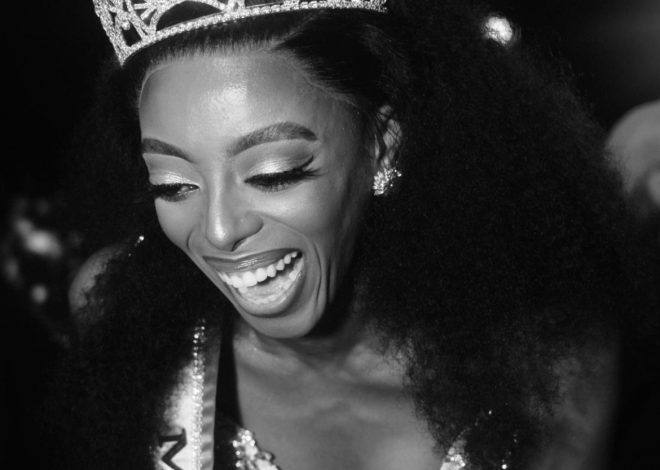
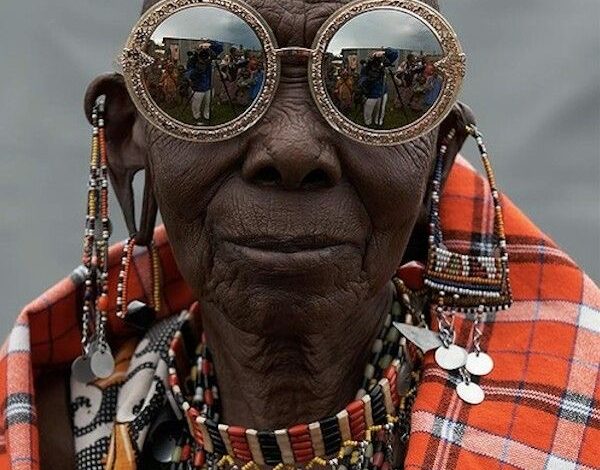
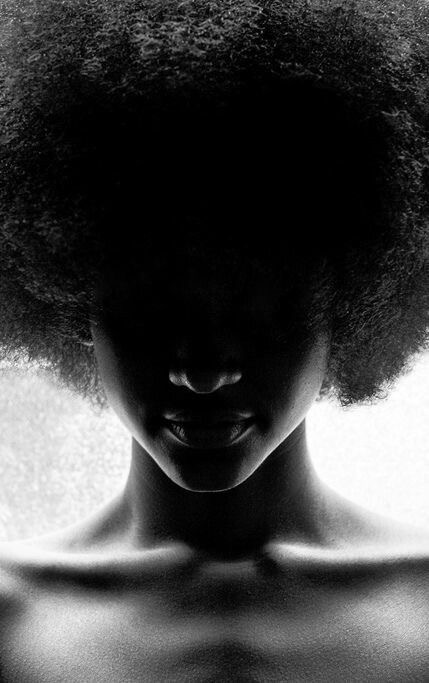
Central to this discourse is the need to reaffirm the intrinsic beauty of blackness and celebrate diverse representations of beauty. While acknowledging the right of individuals to express themselves as they see fit, it’s imperative to emphasize that beauty transcends external appearance and encompasses a multitude of qualities, including resilience, intelligence, and compassion. Rather than succumbing to the allure of the “Esther bleached” trend, which commodifies beauty at the expense of authenticity, successful African women have an opportunity to redefine beauty standards and empower the next generation. As pioneers in various fields, they possess the influence and platform to advocate for self-love and acceptance, instilling in young girls the confidence to embrace their heritage and unique features.
Furthermore, the prevalence of the “Esther bleached” narrative underscores the importance of media representation and the responsibility of content creators to portray diverse and empowering narratives. By showcasing a range of experiences and celebrating black excellence in its various forms, media can challenge narrow beauty ideals and foster a culture of inclusivity and acceptance.It’s essential to acknowledge the complexities surrounding skin bleaching, including the socio-economic factors that contribute to its prevalence. Addressing the root causes of colorism and inequality requires a multi-faceted approach that encompasses education, economic empowerment, and societal change. By addressing the underlying issues that perpetuate beauty standards based on Eurocentric ideals, we can create a more equitable and inclusive society for all.
The “Esther bleached” trend serves as a poignant reminder of the pervasive influence of beauty standards and the need for nuanced discussions surrounding self-image and identity. While respecting individual choices, we must collectively strive to promote a message of self-love, cultural pride, and inclusivity. By embracing authentic beauty and celebrating the richness of diversity, we can empower future generations to navigate the complexities of identity with confidence and resilience.