Maasai Jewelry: The Language of Color and Culture
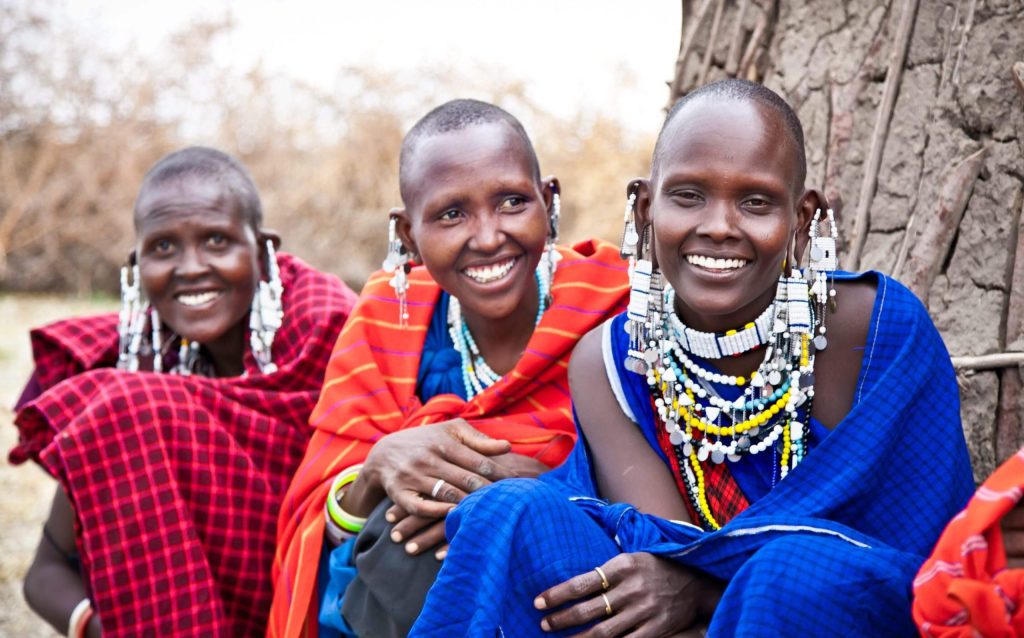
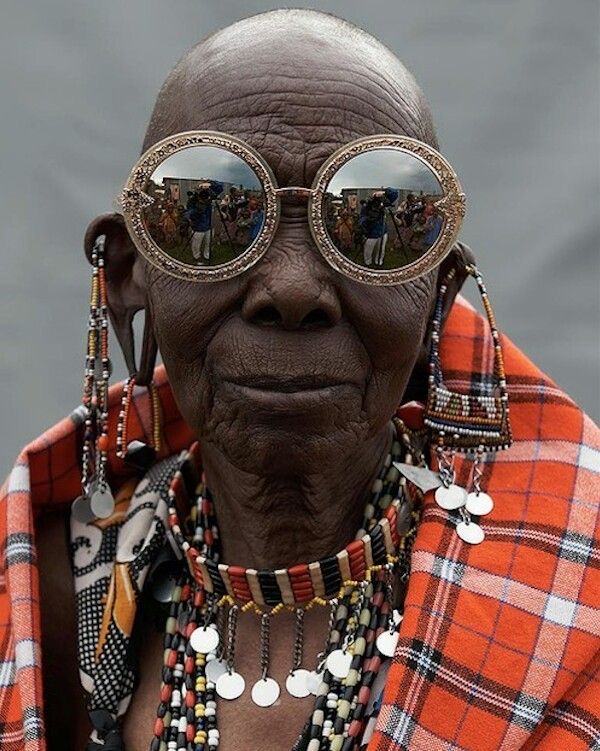
Maasai beadwork represents a primary form of cultural expression for the Maasai people of East Africa. This jewelry is a visual language that communicates an individual’s age, marital status, and social standing within the community. While outsiders often view these pieces as purely decorative, every bead and pattern holds specific meaning rooted in history and tradition. The craftsmanship involved in creating these pieces requires immense patience and a deep understanding of the community’s symbolic heritage. This heritage survives through the oral and visual history passed down from mother to daughter. Young girls learn to string beads as a way to connect with their lineage and understand their place within the tribe.
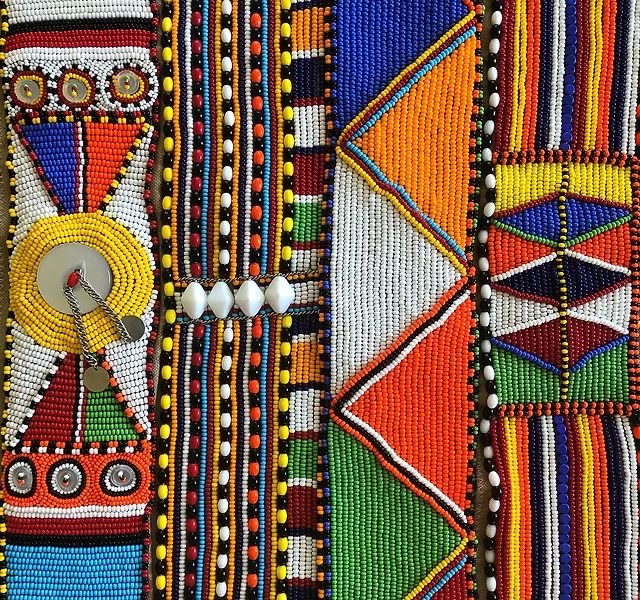
Colors play a vital role in Maasai beadwork, with each hue carrying a distinct message. Red symbolizes bravery, strength, and the unity of the people, reflecting the color of cattle blood, which is a central part of their diet and culture. White represents peace, purity, and health, often associated with the milk provided by their herds. Blue signifies the sky and the energy of the rain, which provides the water necessary for life and growth in the savanna. Green stands for the land and the nourishment found in the grass that sustains their livestock. Yellow and orange hold meanings related to hospitality and friendship. These colors reflect the sun and the warmth of the home. Black represents the people and the struggles they face, acting as a reminder of the community’s resilience and shared identity. By combining these colors in specific patterns, Maasai women create complex narratives that tell the story of the wearer’s life.
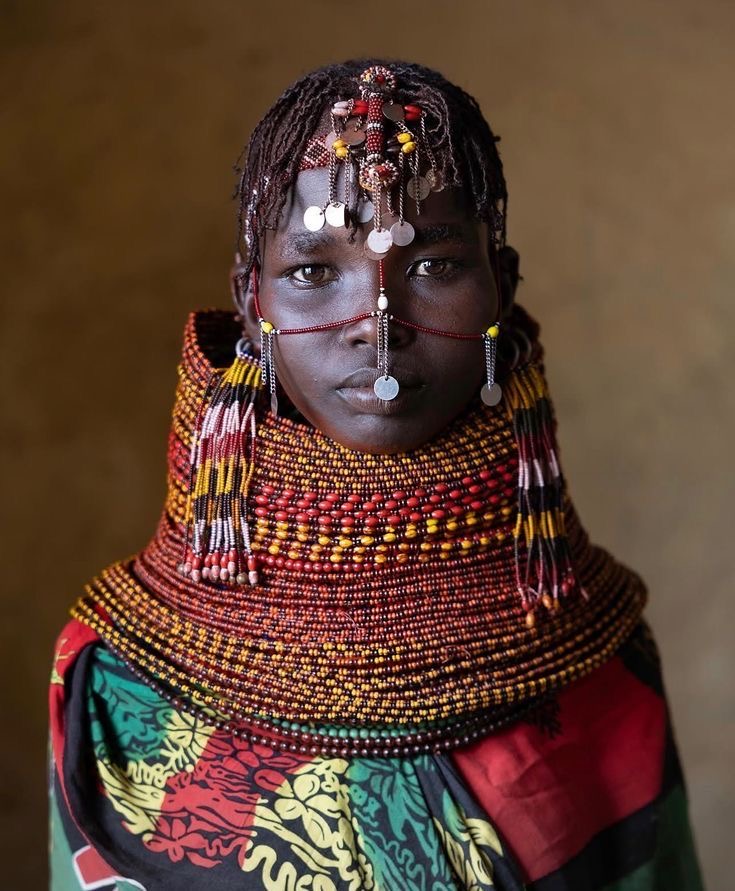
Historically, Maasai jewelry utilized natural materials found in the local environment. Women used dried grass, seeds, clay, and wood to create beads before the introduction of glass beads through trade. In the late 19th century, European trade brought glass beads from centers like Venice and Bohemia, which eventually became the standard choice for most artisans. The process of beadwork remains a collective social activity for women. They gather together to thread beads onto wire or cowhide, sharing techniques and stories as they work. A single necklace or a set of anklets can take days or even weeks to complete. The precision required to maintain geometric symmetry ensures that each piece is a work of high aesthetic value. These items are built to last, often passed down through generations as family heirlooms. The weight of the jewelry adds a rhythmic sound to the movements of the wearer during traditional dances, creating a sensory experience that combines sight and sound.
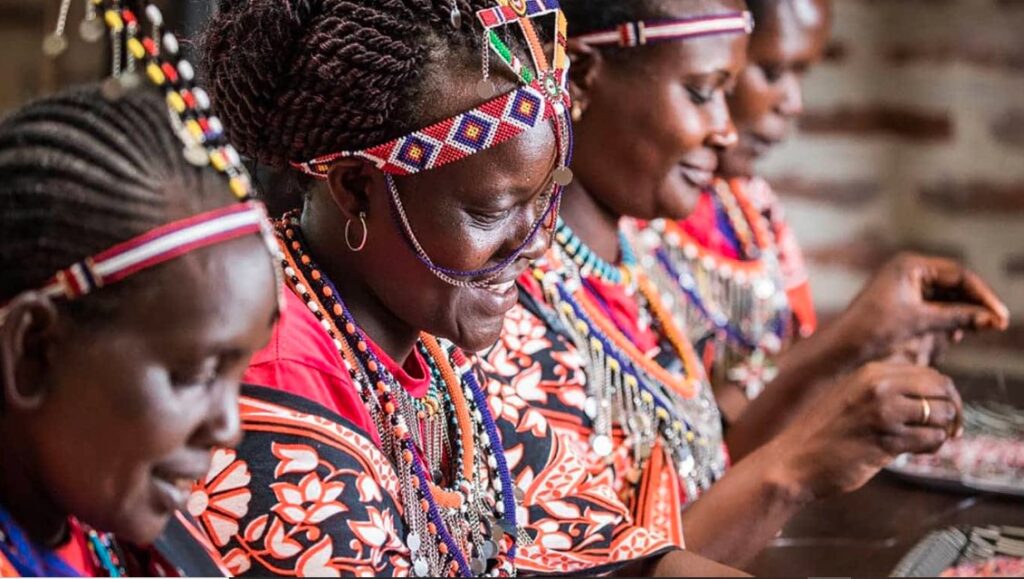
The structure of Maasai jewelry changes according to a person’s stage in life. Young warriors, known as morans, wear specific patterns and colors that signal their strength and their role as protectors of the community. Once a man reaches the status of an elder, his jewelry becomes more understated, reflecting his wisdom and leadership. Women also wear different styles based on their marital status. A bride wears a large, flat beaded collar known as the enkarewa, which symbolizes her transition into a new family and her readiness for the responsibilities of adulthood. This collar, often the most intricate piece a woman will ever own, features a heavy use of white beads to bless the union with peace. The size and complexity of these collars demonstrate the support and love of the woman’s female relatives, who helped build the piece.
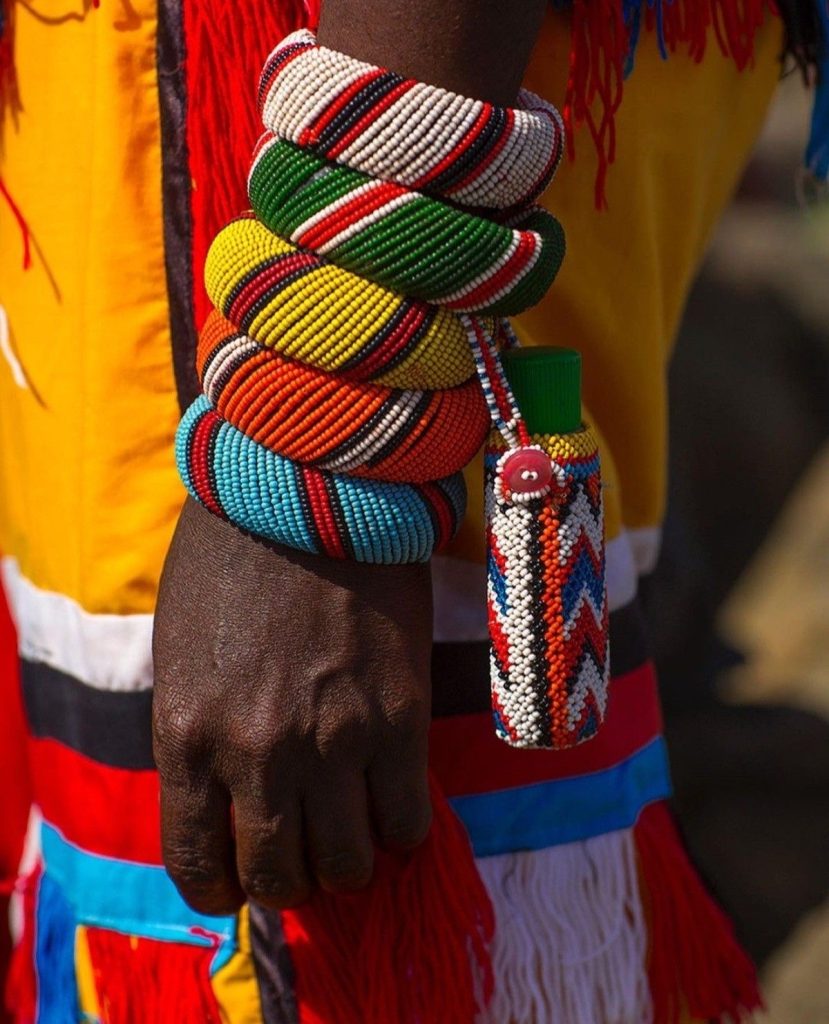
These pieces are a map of the community’s social fabric. By observing the jewelry of an individual, a member of the tribe can immediately understand their history and their place within the group. This system of visual communication ensures that social order is maintained and that respect is given to those who have earned it through age or achievement. The geometry used in the patterns often reflects the landscape of the Rift Valley, with triangles representing the mountains and circles representing the kraals (homesteads) where the families live. This connection to the land makes the jewelry a literal extension of the Maasai territory.
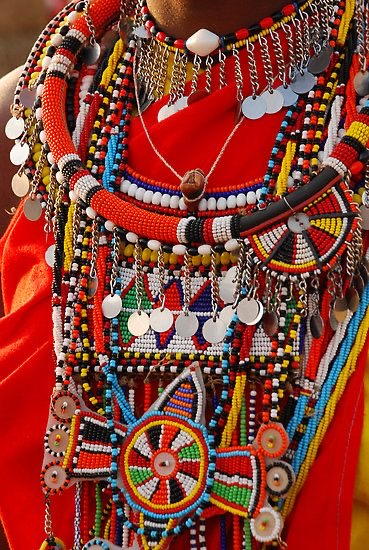
Maasai jewelry continues to hold its importance in the modern world. While many Maasai individuals now participate in the global economy, they maintain their connection to their heritage through their traditional attire. The sale of beadwork provides an important source of income for Maasai women, allowing them to support their families while preserving their ancient skills. This economic independence strengthens the community and ensures that the art of beadwork remains a vibrant part of their daily life. Artisans now find ways to incorporate modern hardware into their designs while keeping the symbolic core of the work intact. This evolution proves the adaptability of the Maasai spirit.
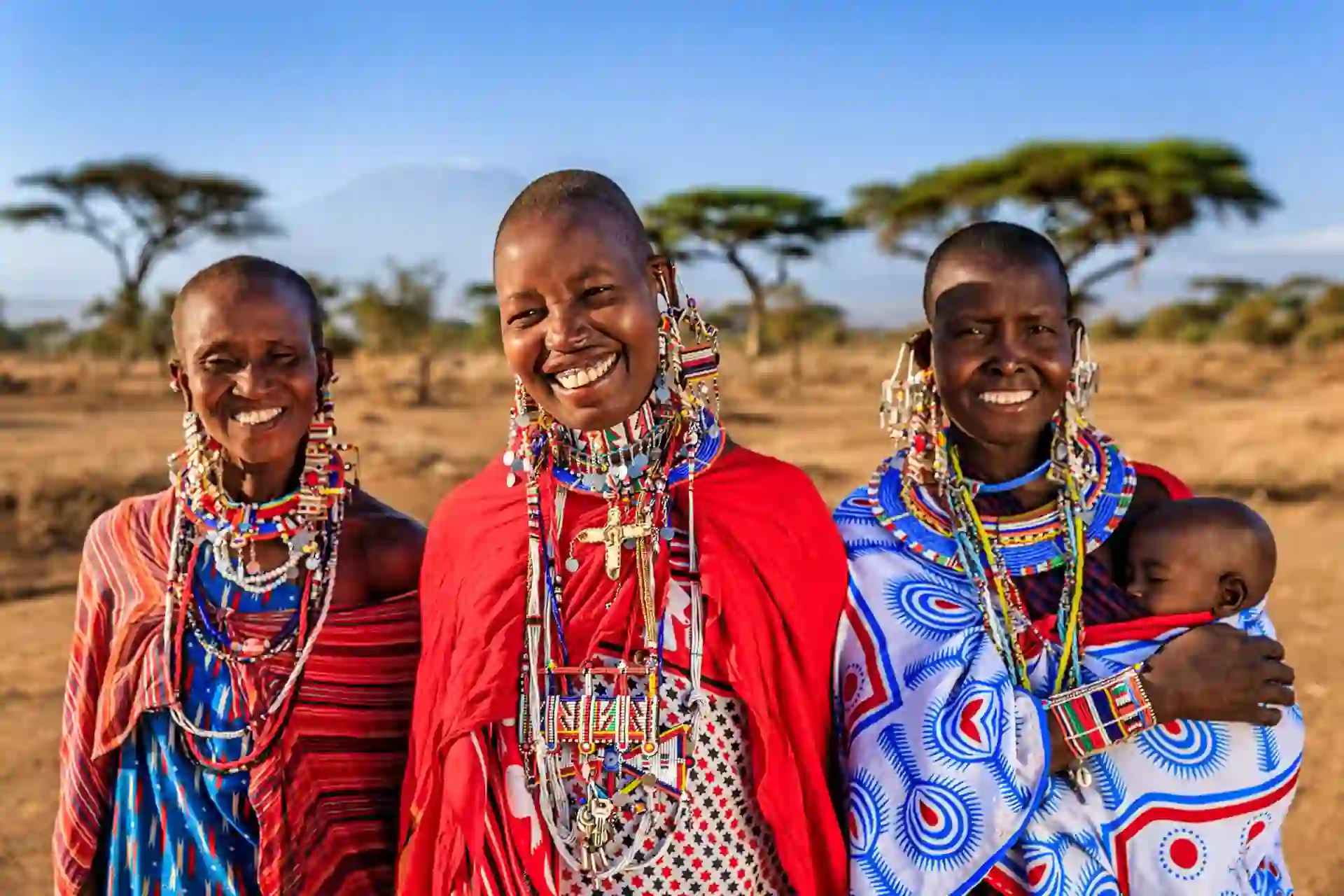
The world recognizes Maasai jewelry for its striking beauty and cultural depth. Designers and fashion houses frequently look to these patterns for inspiration, though the true value of the work remains within the Maasai community. By wearing these pieces, the Maasai people continue to tell their story to the world, proving that their traditions are as resilient and colorful as the beads themselves. Every necklace and bracelet is a tribute to a history that values community, bravery, and the beauty of the natural world. The act of wearing these pieces is a proud declaration of identity that refuses to fade in the face of global change.
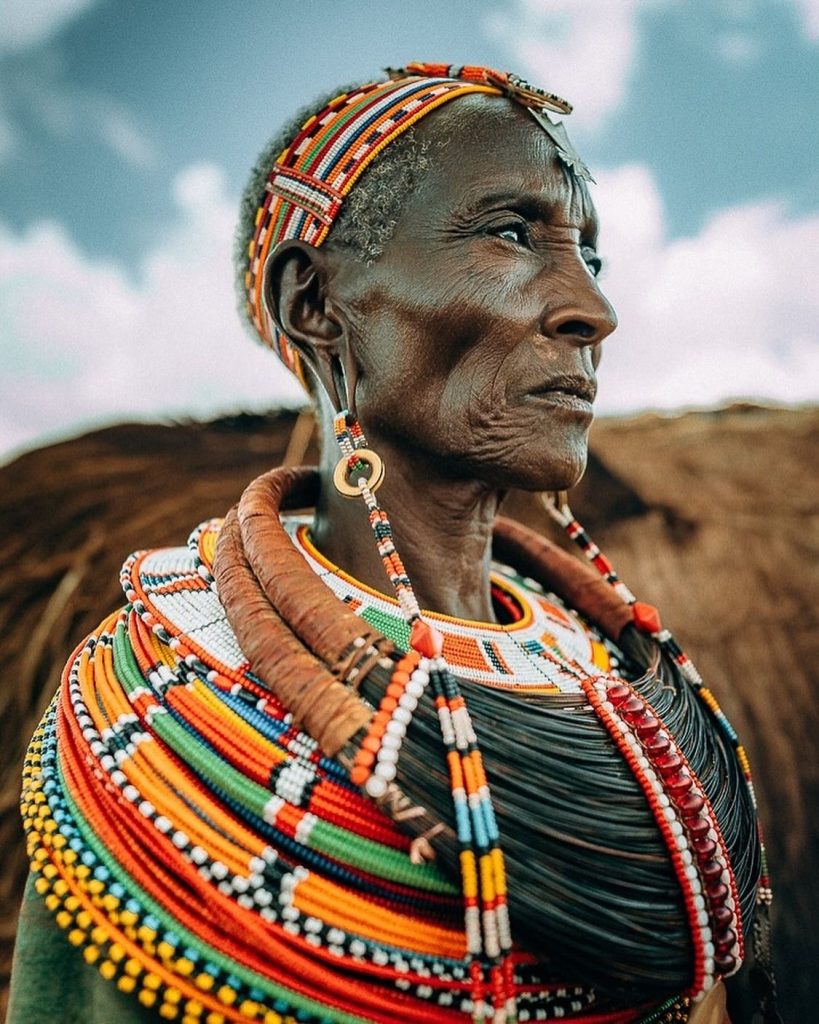
Future generations of Maasai women will continue to sit in circles under the shade of acacia trees, threading the stories of their people into vibrant collars and cuffs. This continuity ensures that the language of the beads remains a living, breathing part of East African culture. The dedication required to master this craft serves as a testament to the patience and artistry of the Maasai people. As long as the savanna remains and the cattle graze, the vibrant patterns of the Maasai will continue to shine under the African sun.